2026 · Possibility Edutech — Jaipuria Group
Grade-5 Science — Textbook Illustrations
A full Grade-5 science book — the skeleton and muscles, the nervous system, food and health, safety and first aid, how plants reproduce and how animals live. The first book on this site produced with every rejected attempt kept on record, so the real cost of the work is measured rather than estimated.
Built with the tools of 2026
By 2026 the models could hold a character and a style across a long run, so consistency was no longer the bottleneck it had been a year earlier. The hard part moved to correctness and volume: a science diagram can be beautiful and still teach a child something false, and a hundred assets a book all have to clear print QA — 300 DPI, a real alpha channel, no muddy darks, no white halo on a cut-out — before a designer can place them.
| Produced | August 2026 |
| Client | Possibility Edutech — Jaipuria Group |
| Role | Assistant Manager, AI Initiatives |
| Tools | Claude Code + MCP, Gemini / Nano-Banana, GPT Image, Magnific, Photoshop, Python |
| Plates | 58 |
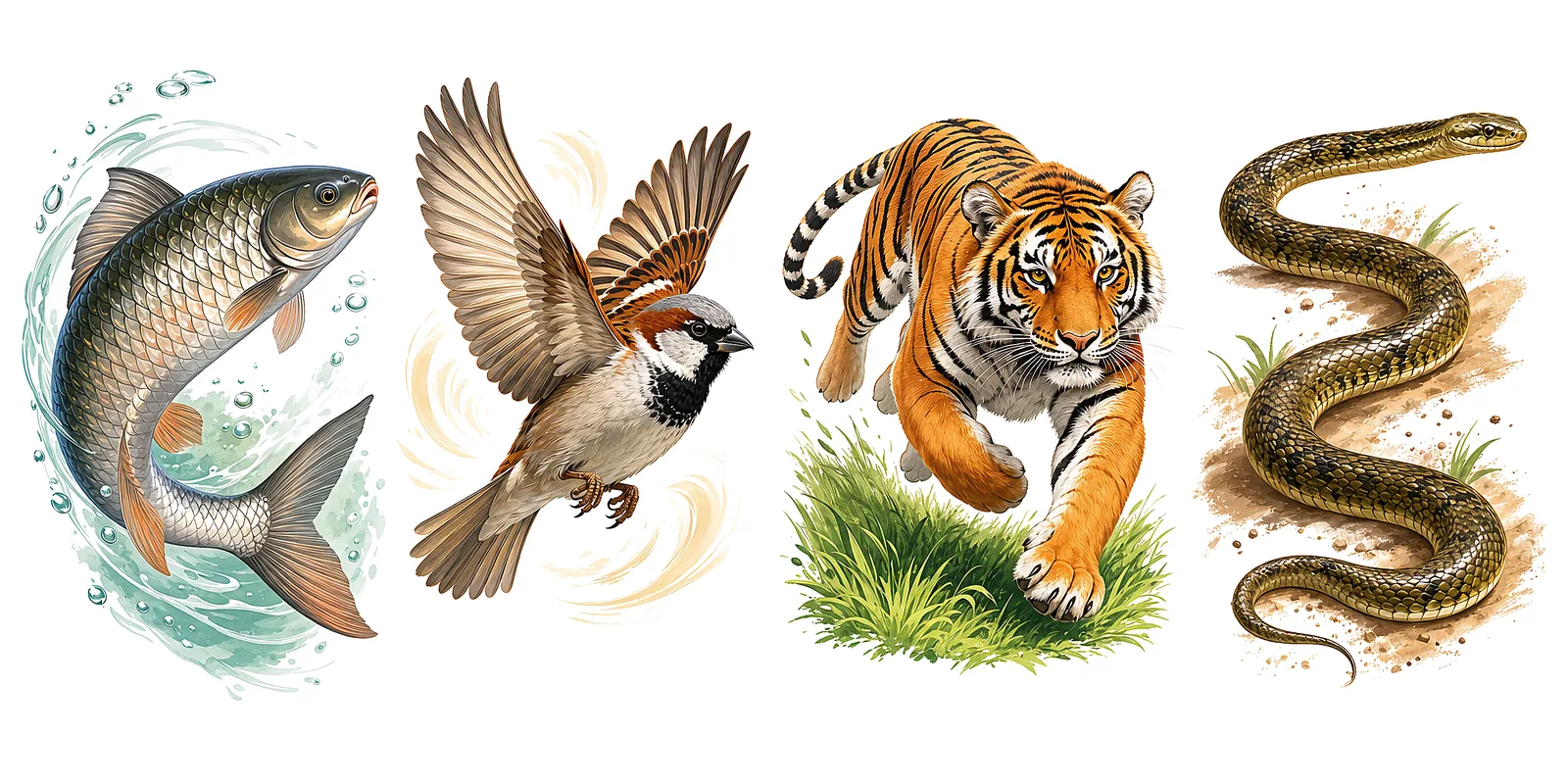
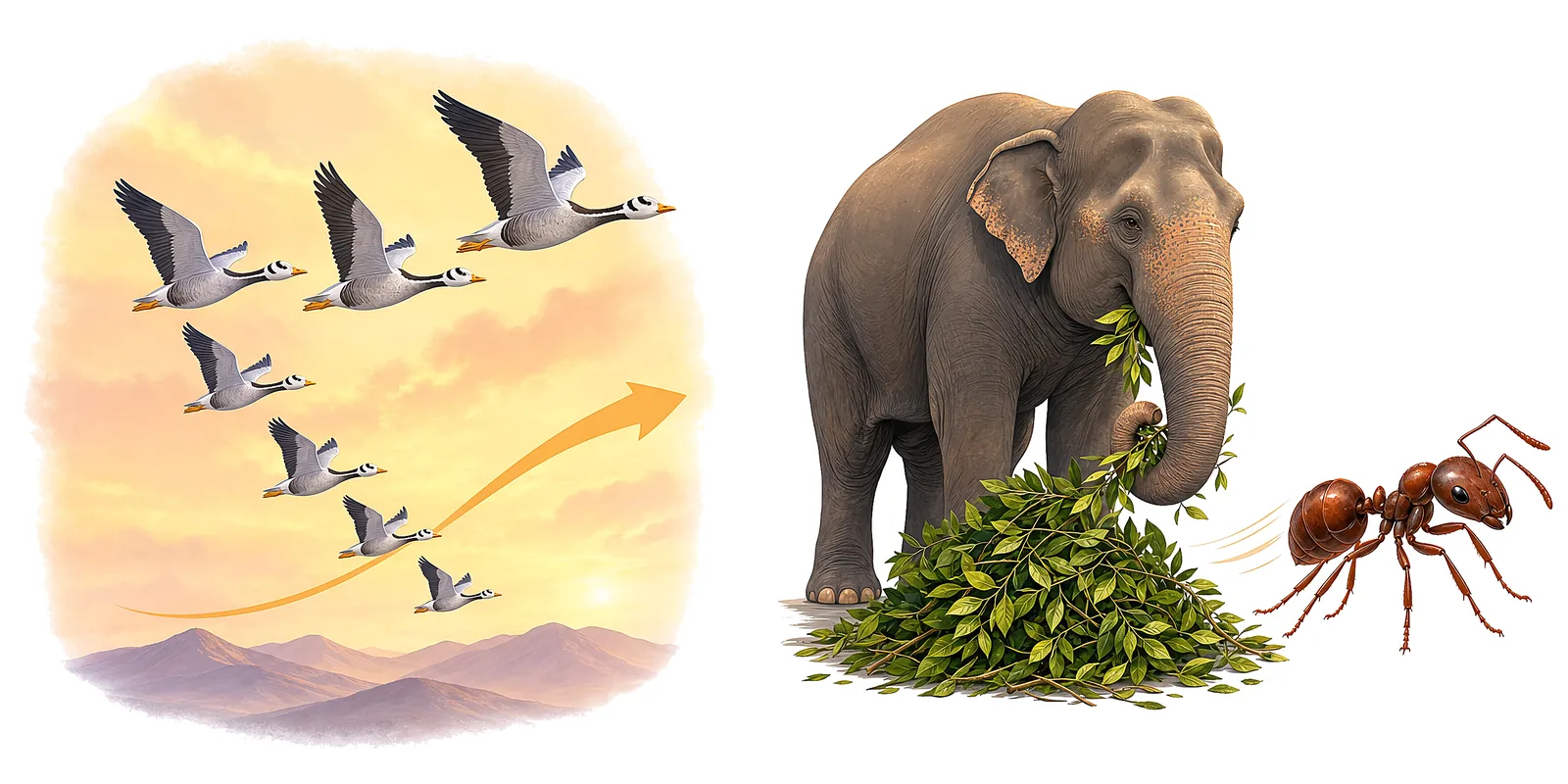
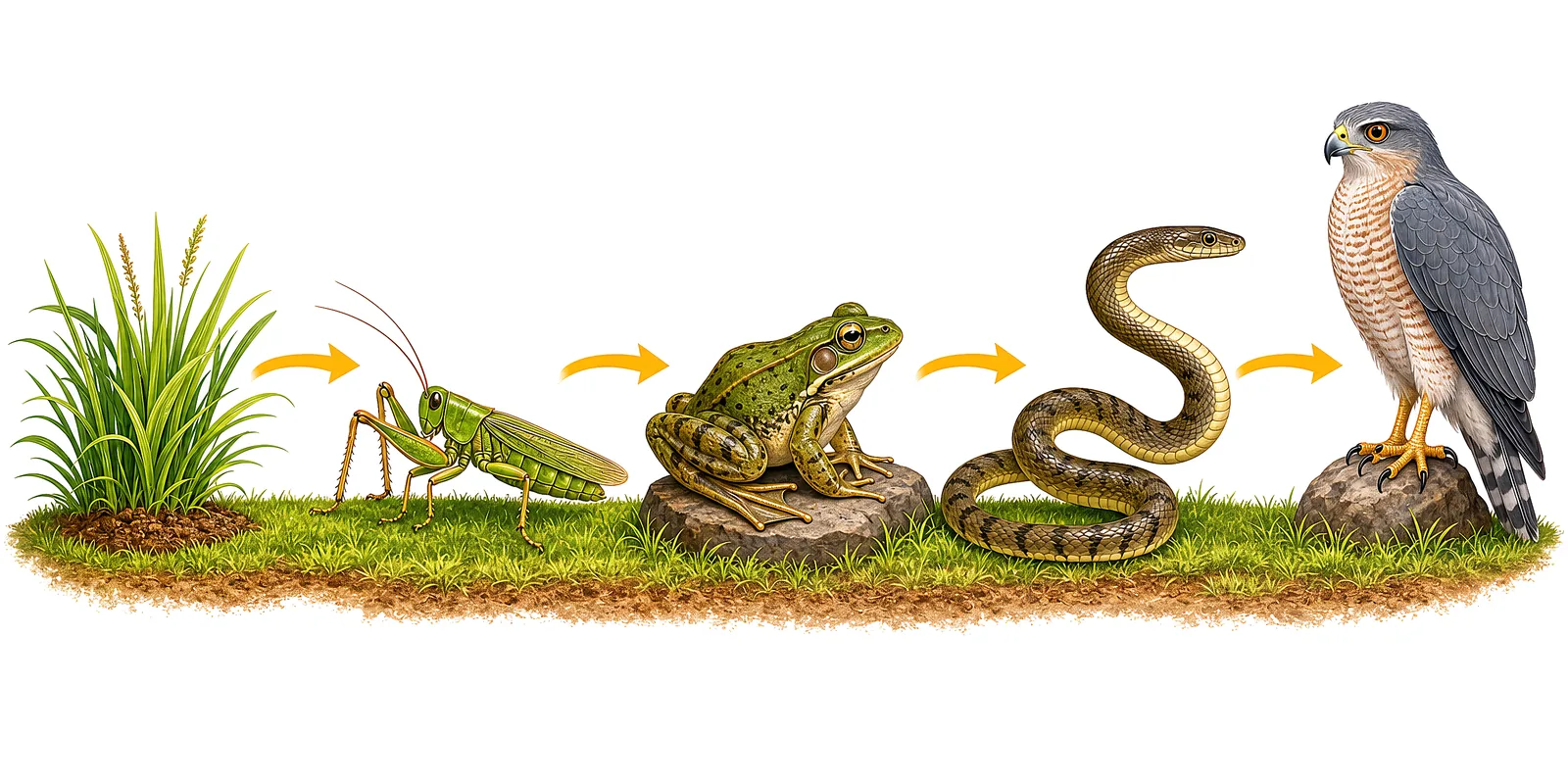
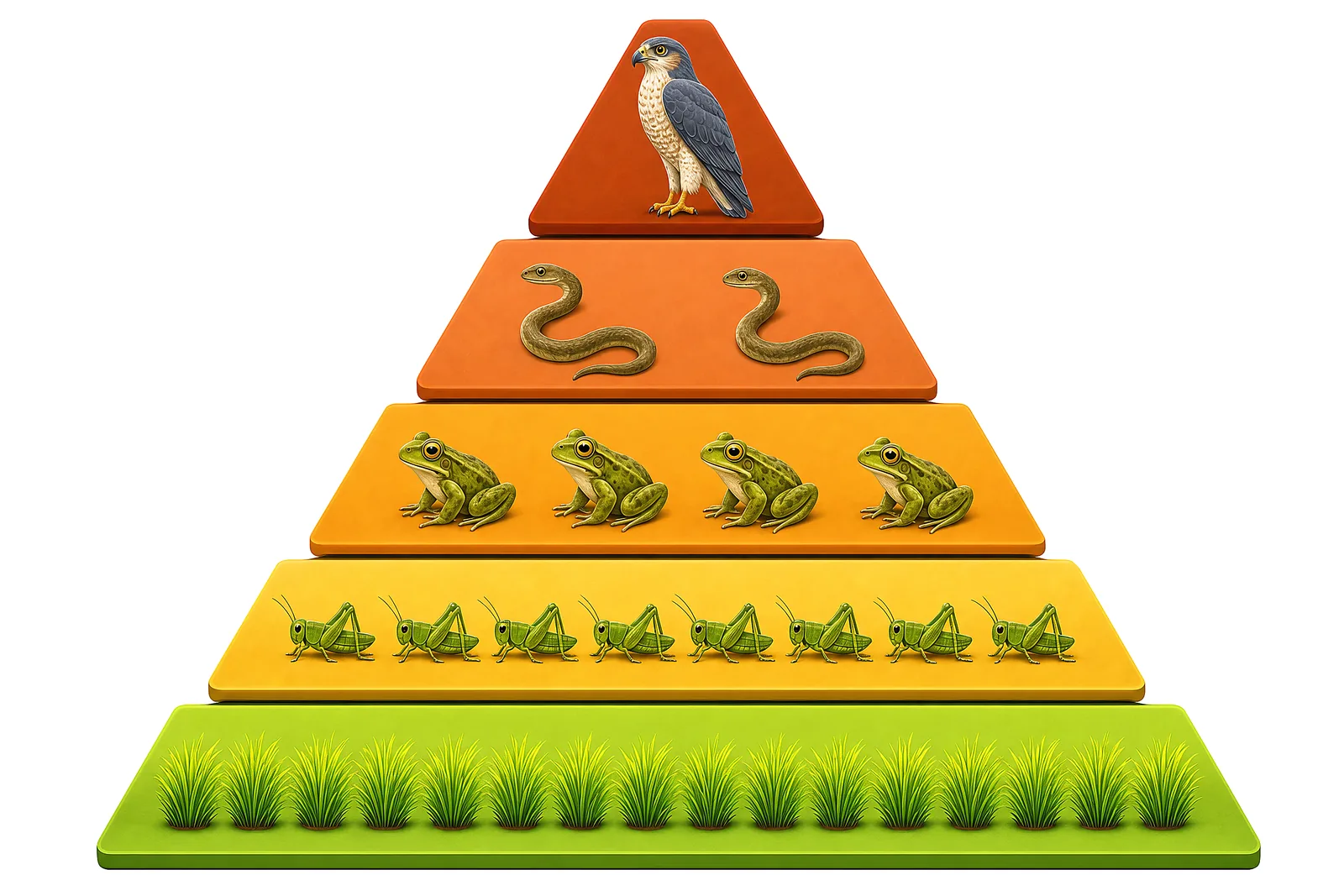
Seven chapters, 58 print-ready illustrations at 300 DPI, 52 of them shown here.
Why this book is the one with numbers
This is the first book where every rejected attempt was kept instead of deleted. That one change turned a pipeline nobody could measure into one that reports its own cost.
| Illustrations delivered | 58 |
| Generations it actually took | 165 |
| Discarded attempts | 107 |
| Generations per delivered asset | 2.8 |
| Landed on the first attempt | 27 of 58 (47%) |
| Hardest single asset | 12 attempts |
Every figure here is counted from the files on disk, not estimated afterwards. The two earlier books on this site cannot be reported this way: they overwrote their rejects, so they look almost perfect and there is no honest way to prove otherwise. An unmeasured pipeline always reports good news.
The pipeline
manuscript (.docx)
   |
   |  read the chapter, write an illustration brief
   v
shot list  —  one slot per illustration, with the teaching job it has to do
   |
   |  generate against a locked style bible + fixed colour palette
   v
candidate
   |
   |  review: is the science right? is the style still on model?
   |
   +-- reject --> _archive/   (kept, and named with the reason)
   |
   +-- keep ----> upscale --> cut out background --> set 300 DPI
                     |
                     v
             automated print QA --> delivered/
The QA step is a script, not an eye. It checks resolution and DPI, that the cut-out has a real alpha channel, that no dark values will print muddy on uncoated paper, and that no white halo is left around the edge. It fails the run if an asset does not pass — which is why nothing came back from press.
What went wrong
Three failure modes account for most of the 107 discards, and the archive is named after them.
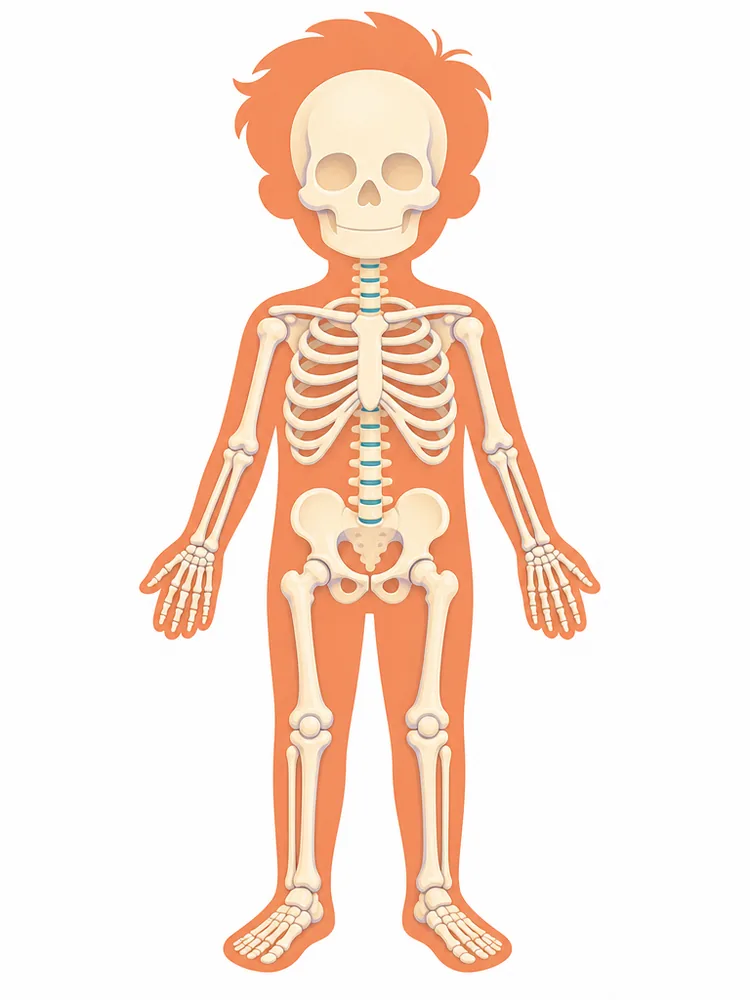
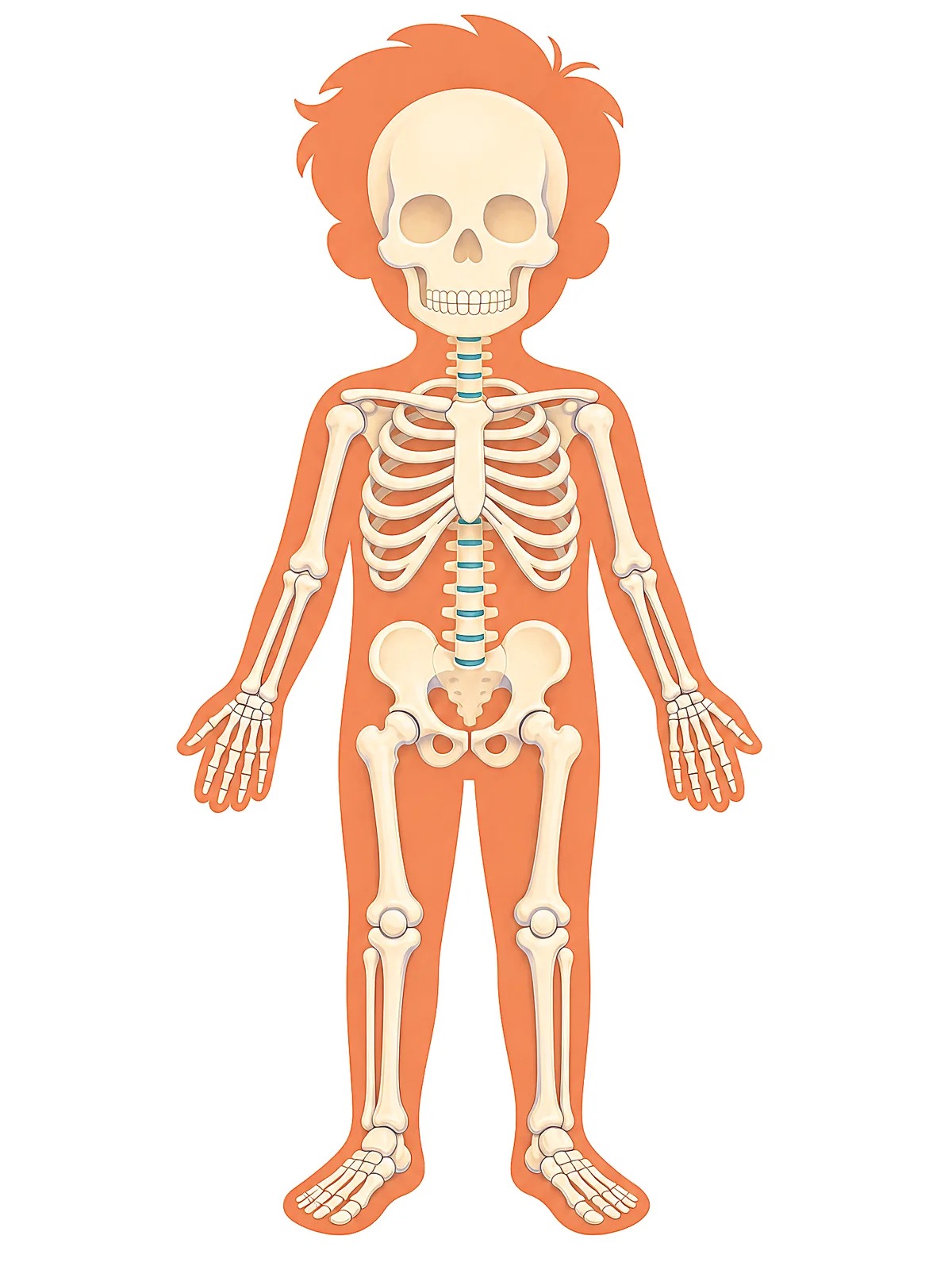
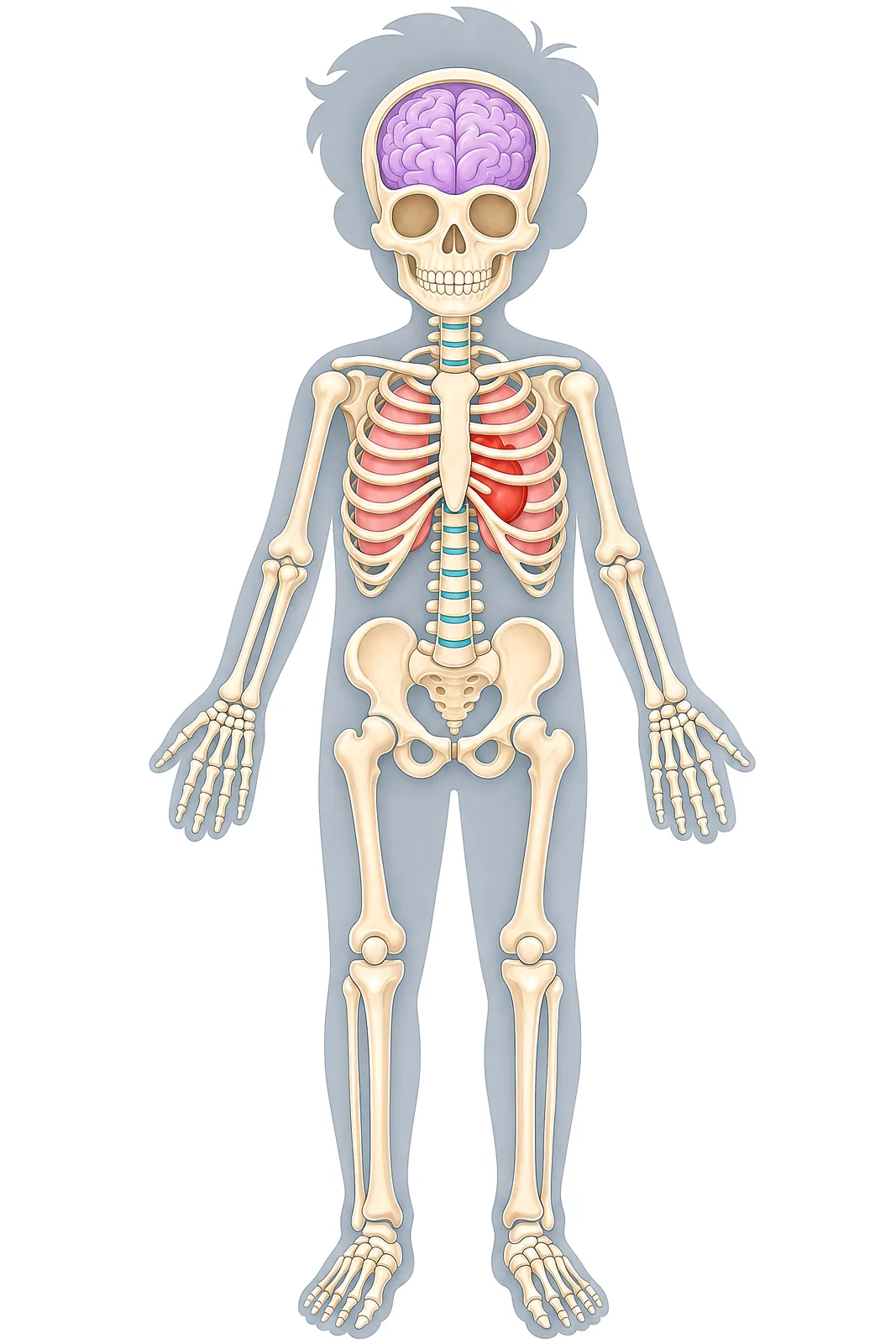
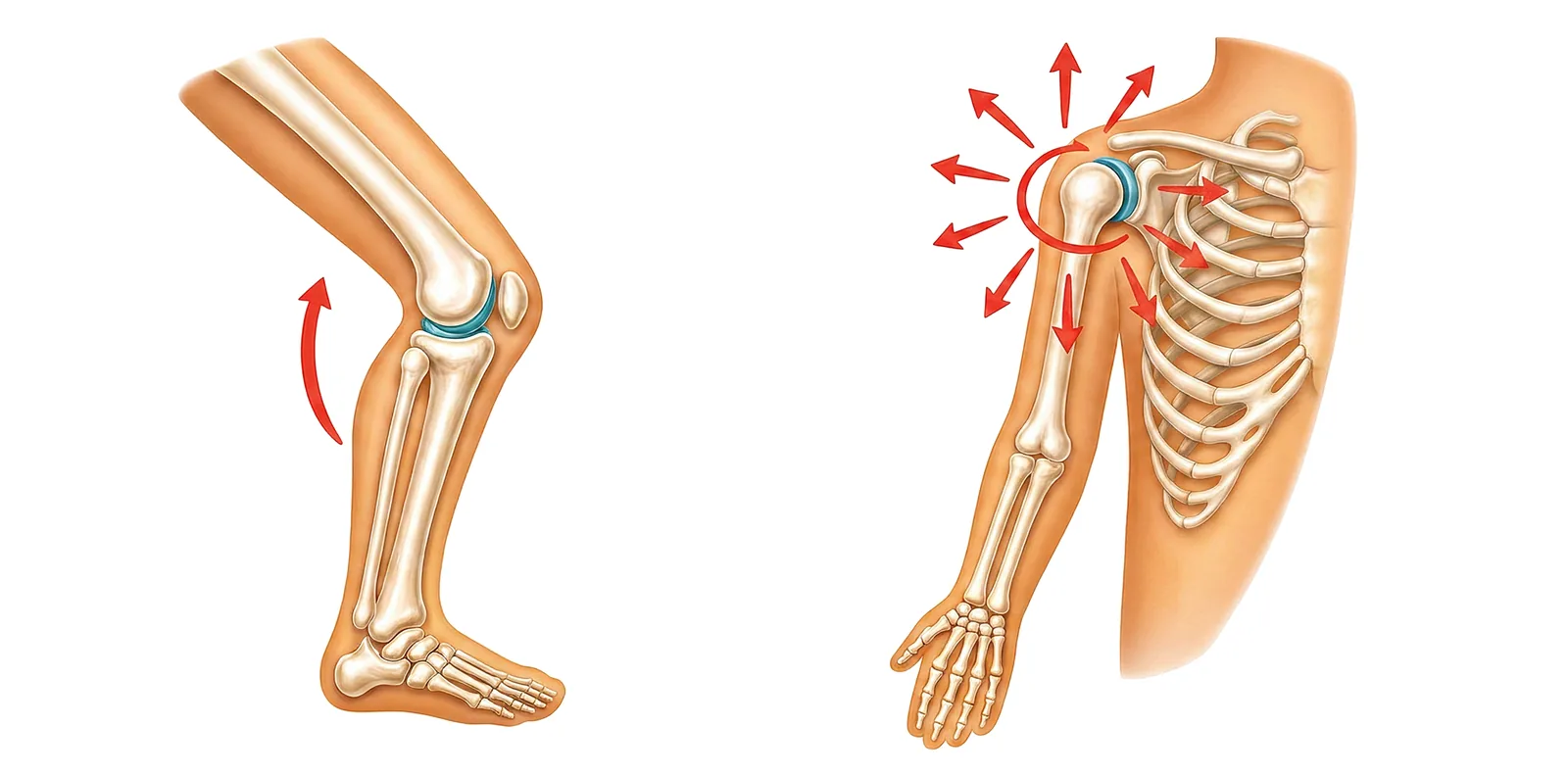
The science came out wrong while the picture looked fine. A skull rendered smiling. A skull with no eye sockets. These are the dangerous ones — an attractive illustration that teaches a child something false. Anatomy was the most expensive work in the book: the hinge-versus-ball-and-socket joint diagram took twelve attempts.
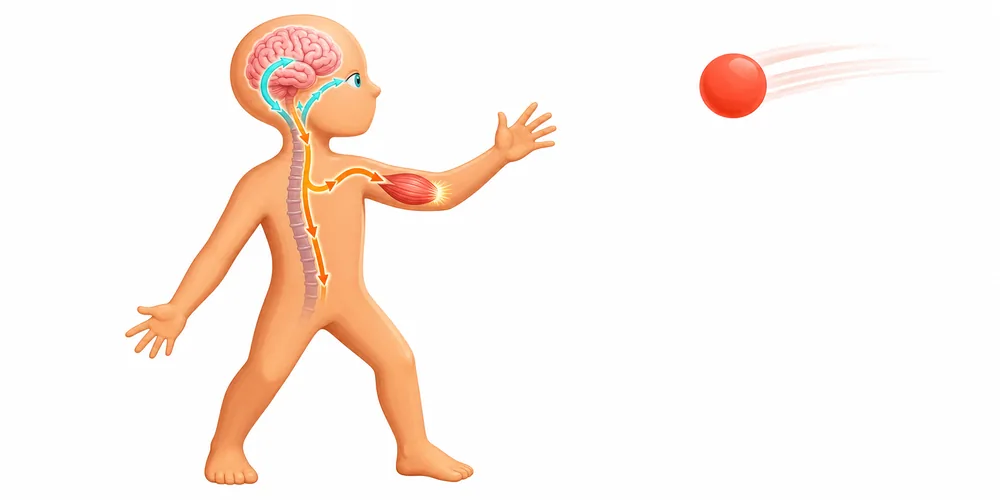
Style drift on the hard assets. Ask for something difficult and the model quietly changes medium — a 3D render, a gouache painting — while the rest of the book is flat editorial illustration. Caught by reviewing every candidate against the style bible, not by judging the asset on its own.
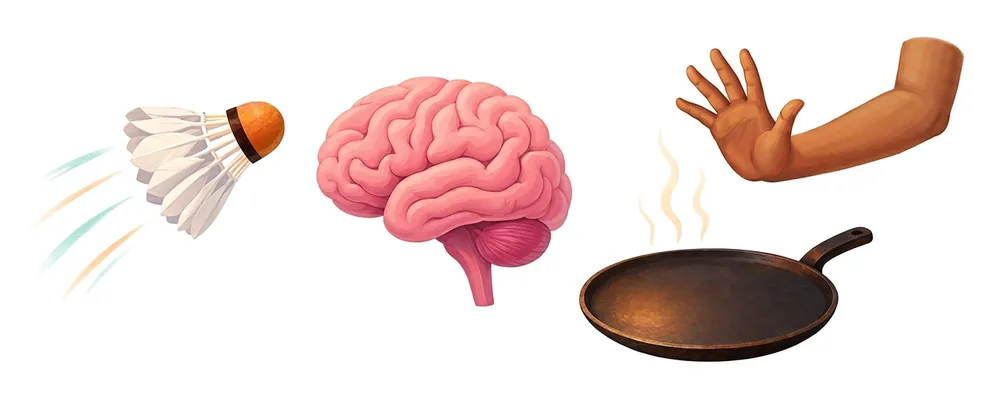
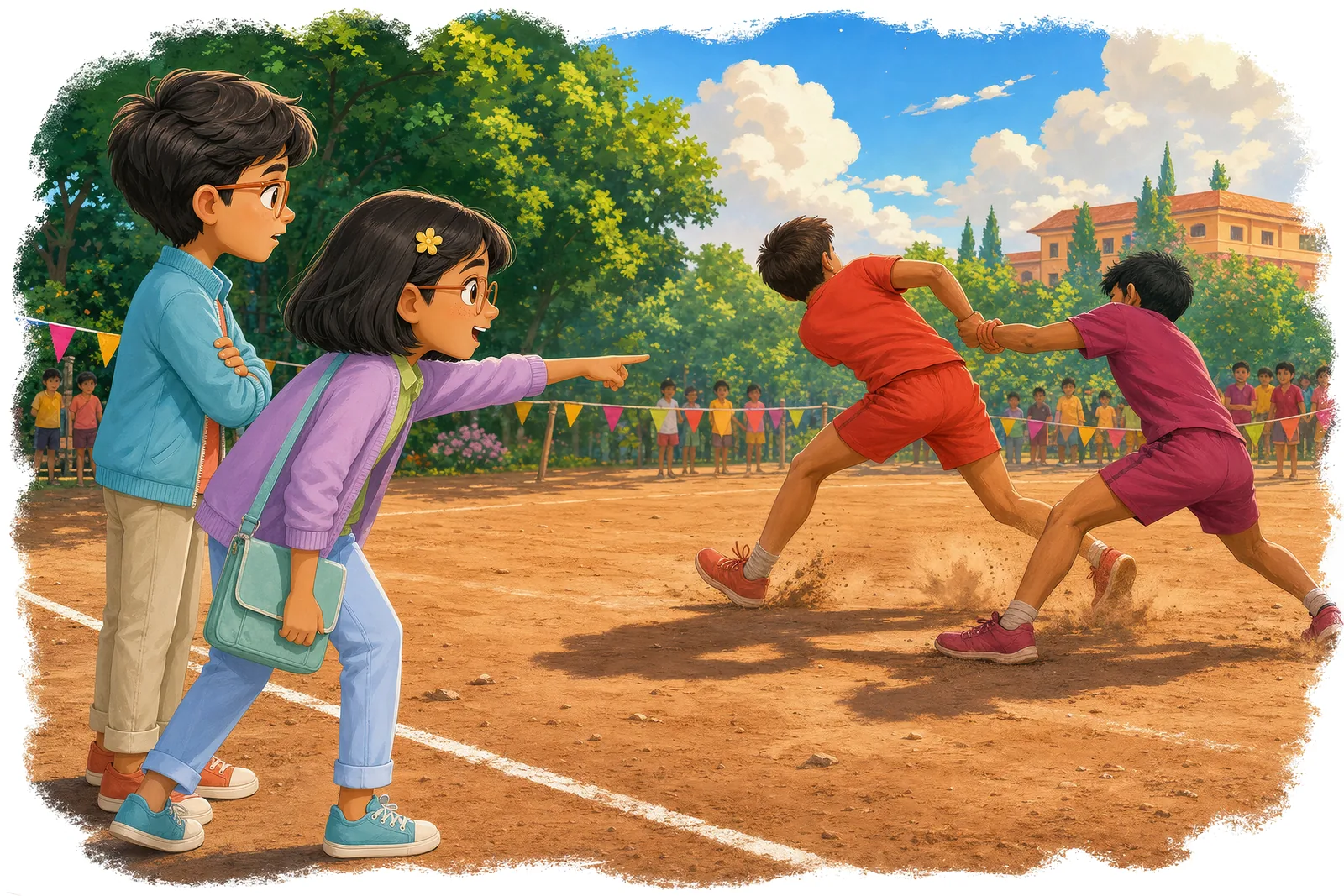
Composition faults. A cropped arm, a badminton stroke played wrong. Cheap to spot and cheap to fix, but they only stay cheap if someone actually checks.
The fix was not a better prompt. It was keeping the rejects, naming each one with its reason, and making the failure rate a number the pipeline reports on every run.
Created for Jaipuria Possibilities EduTech.
What the archive caught
6 pl.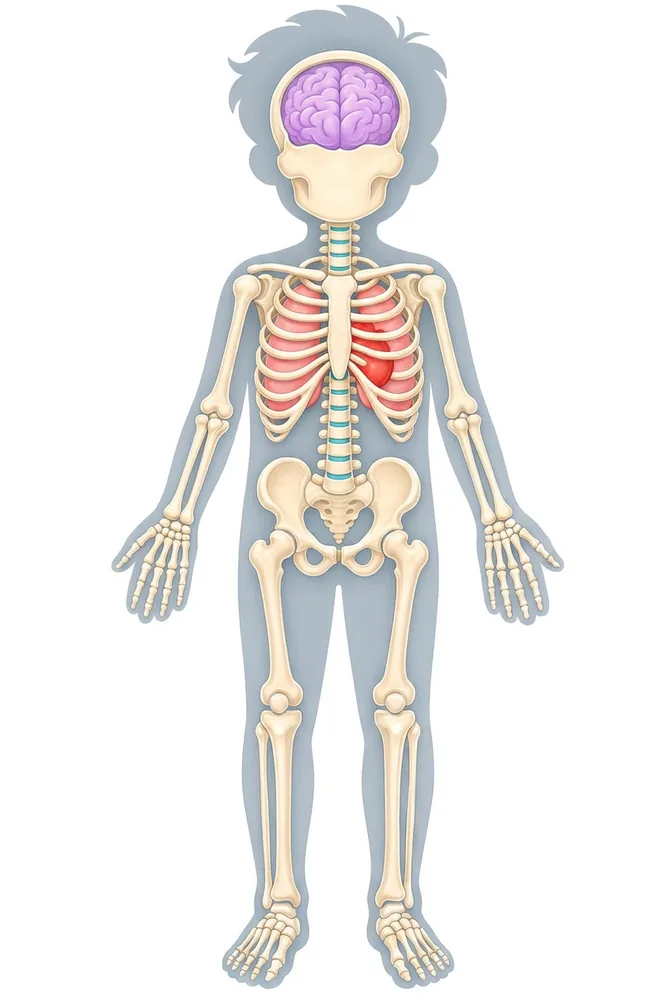
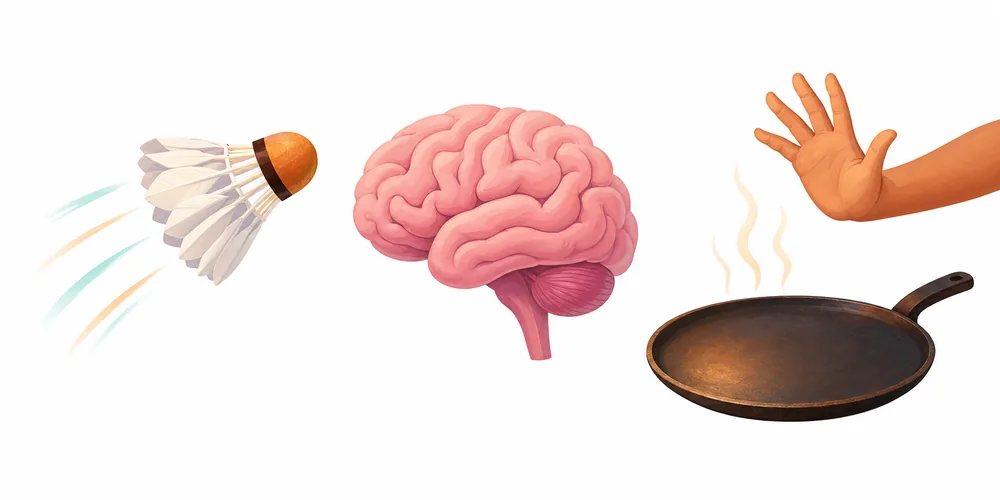
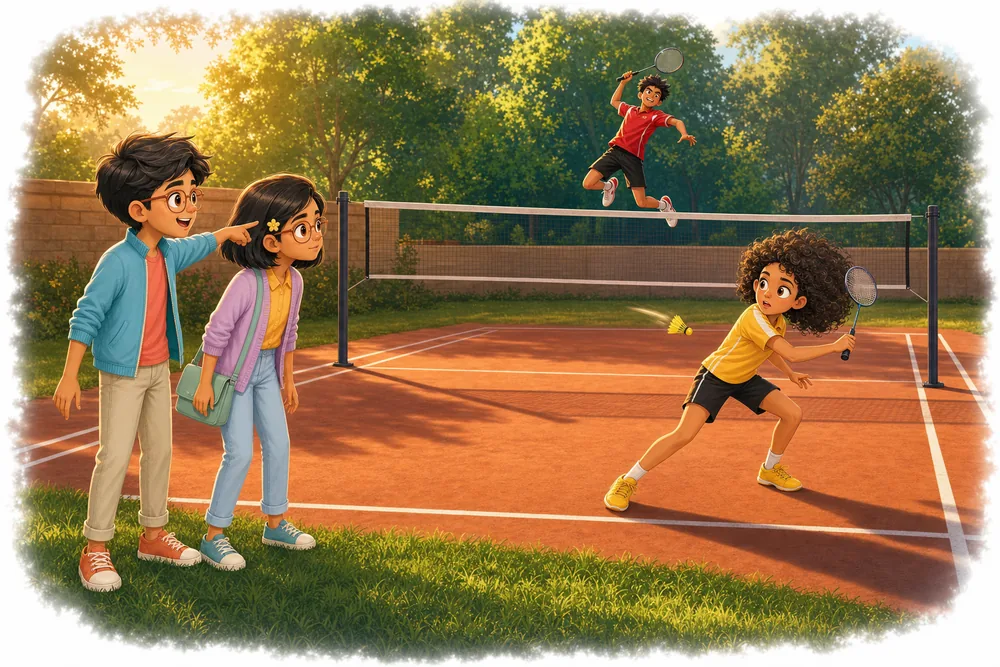
Chapter 0 — How Do Scientists Find Out?
6 pl.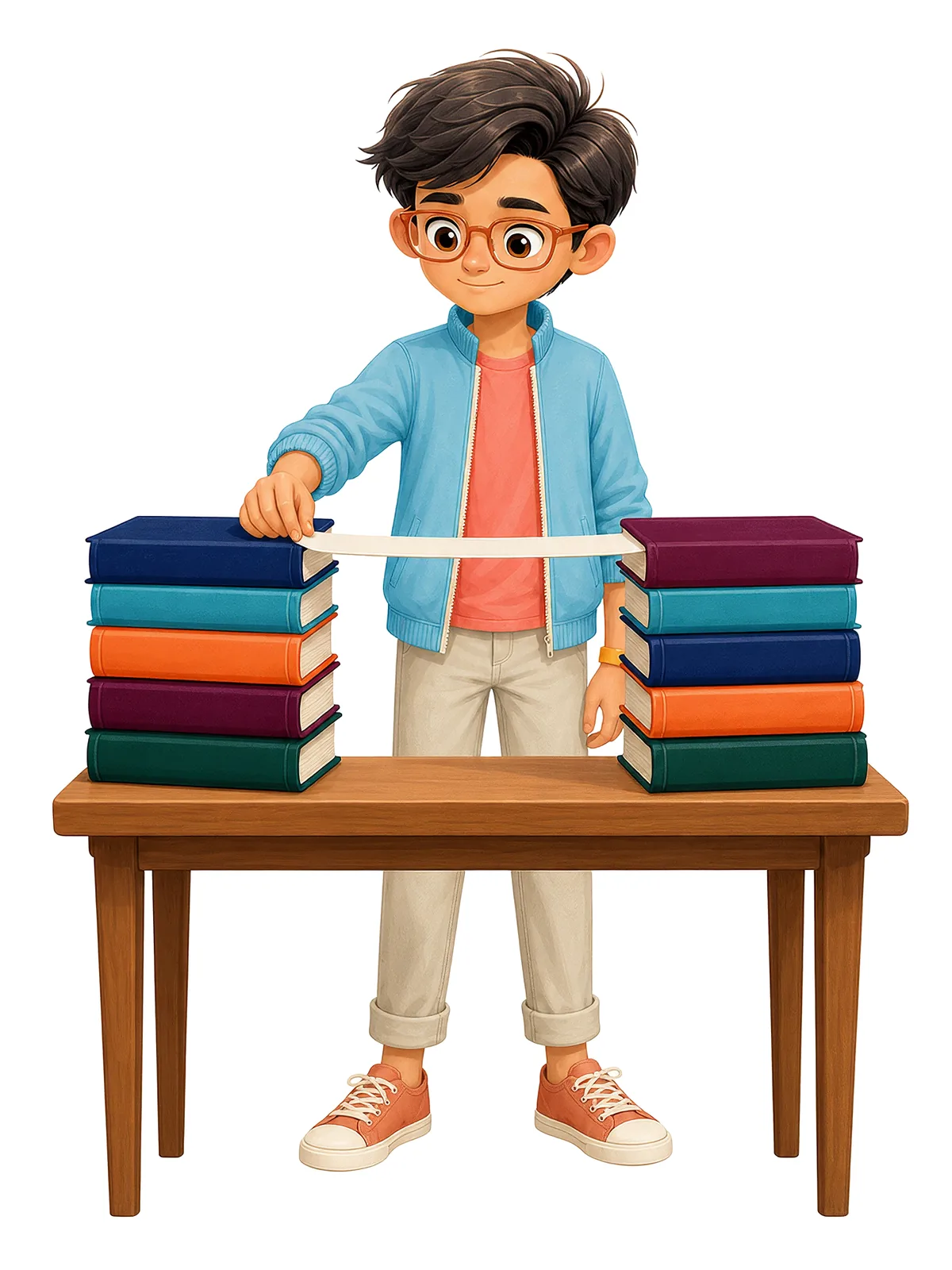
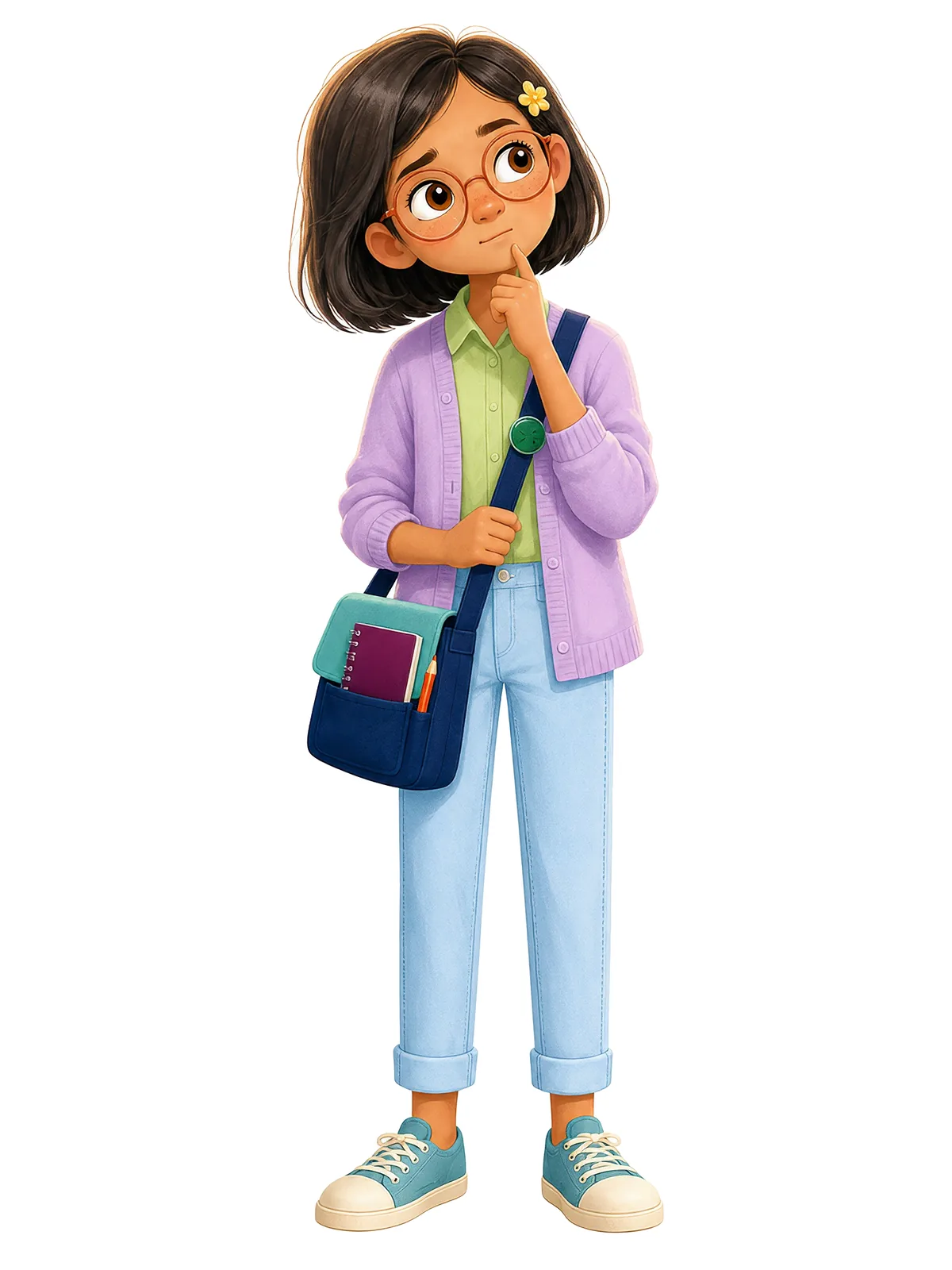

Chapter 1 — What Holds Us Up and Moves Us?
6 pl.
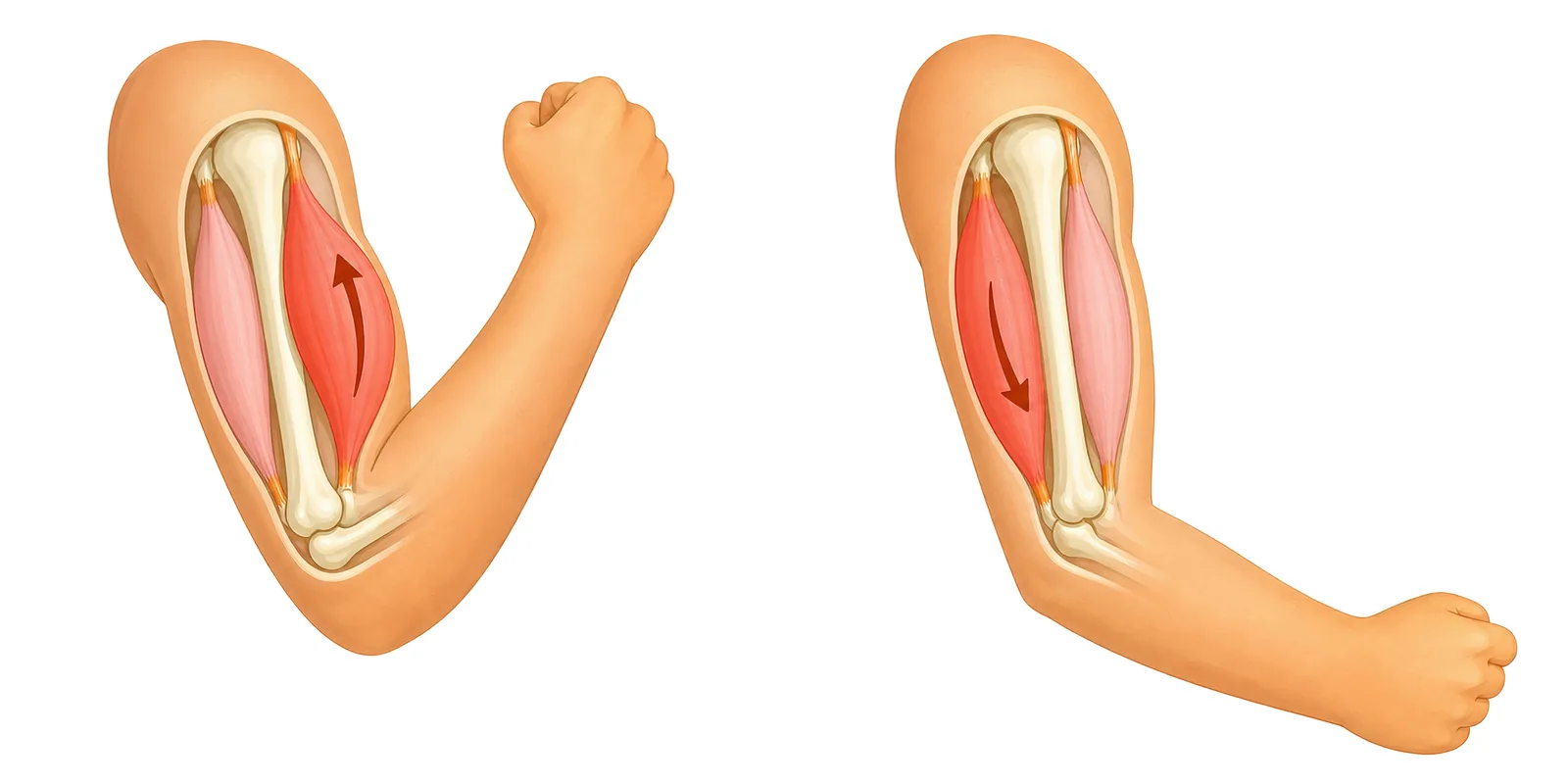
Chapter 2 — How Does My Body Know What To Do?
9 pl.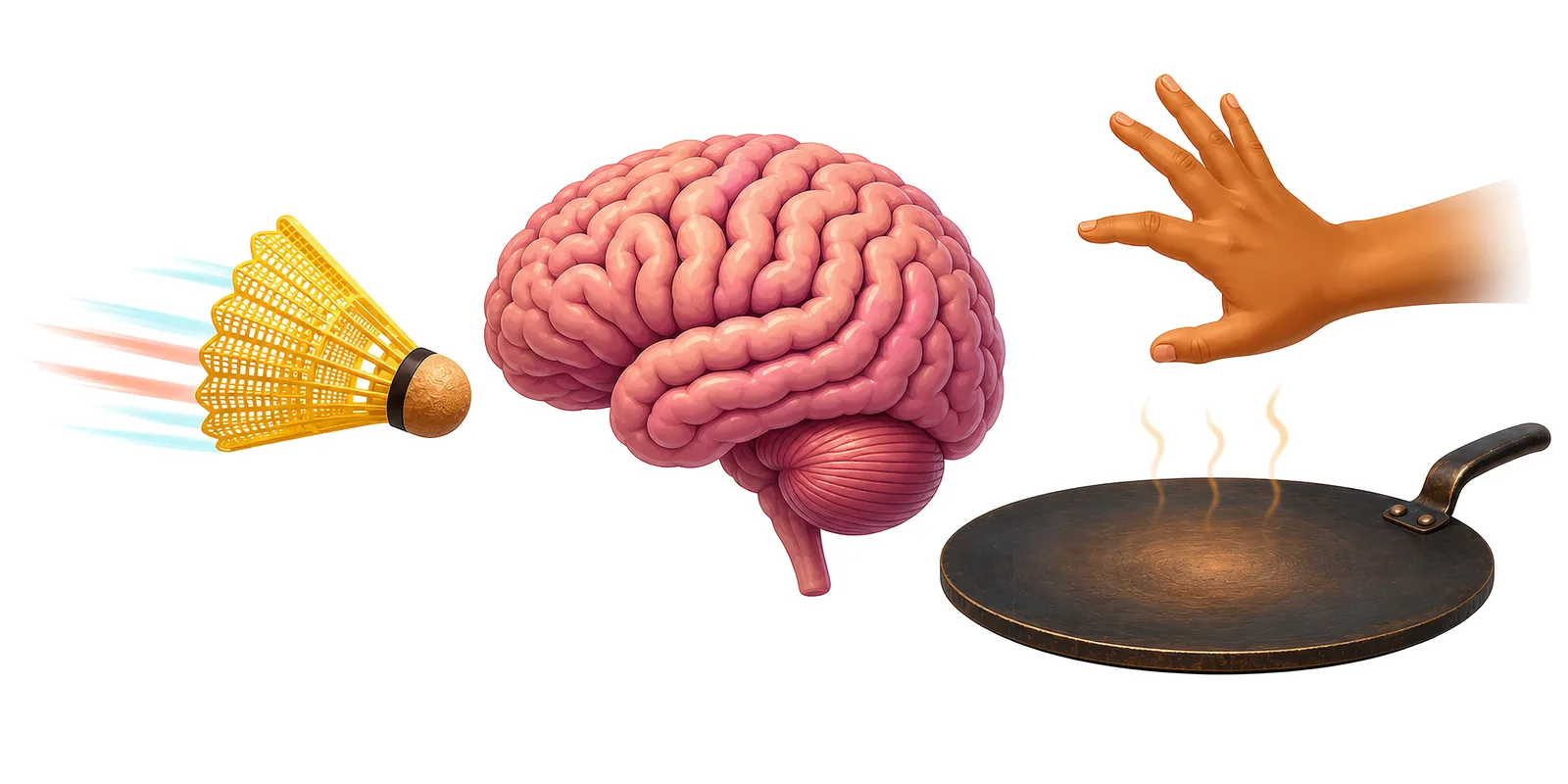
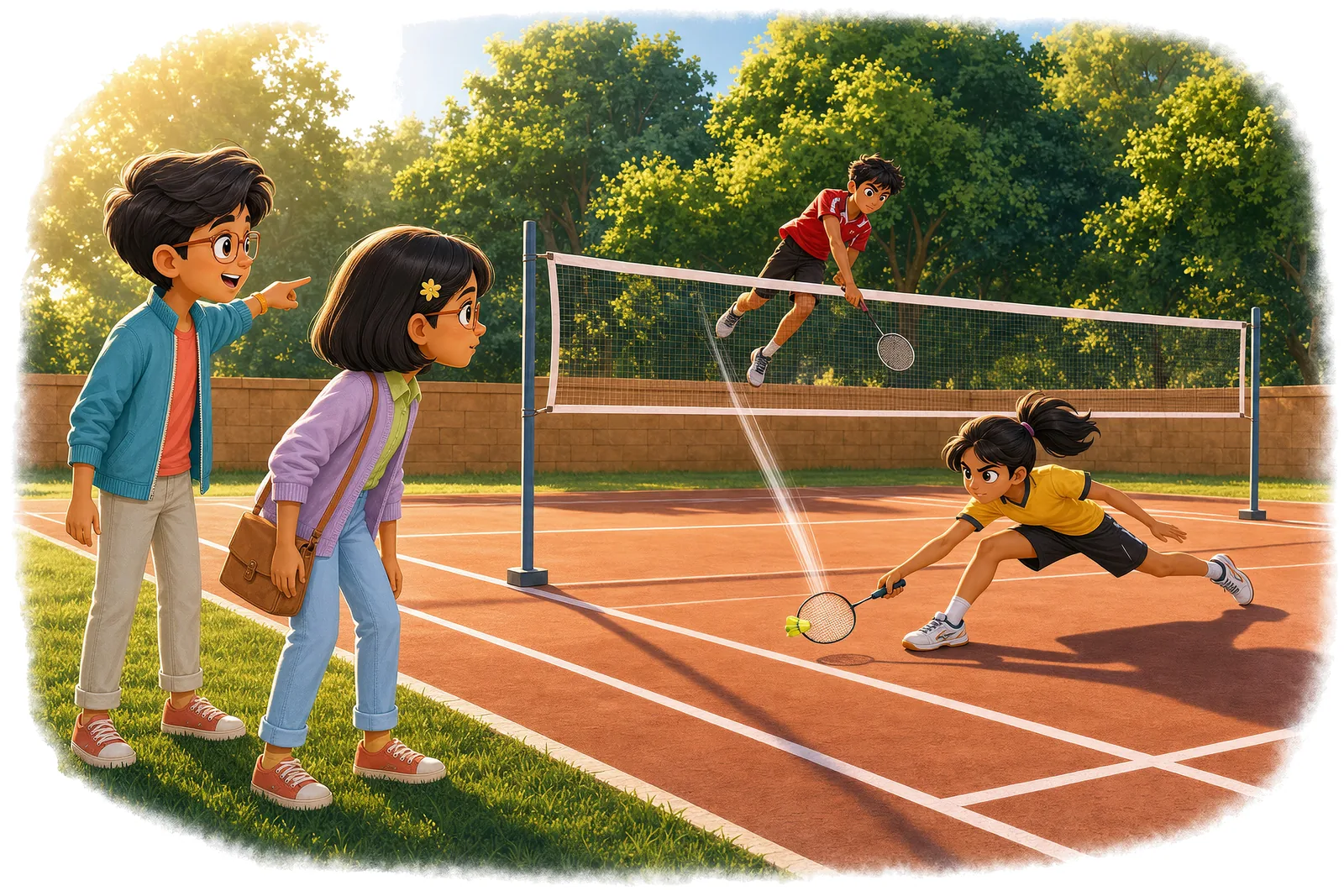
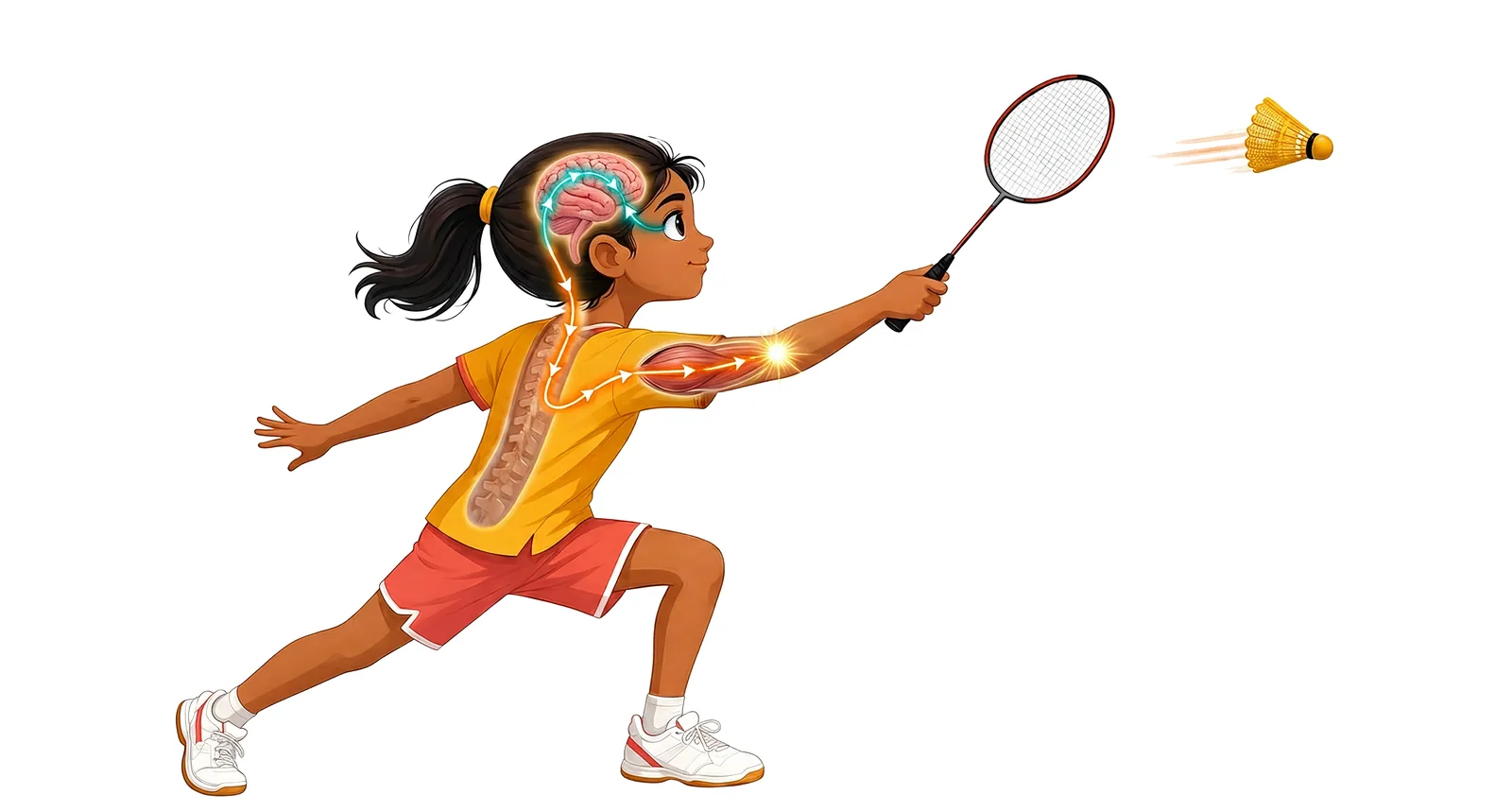
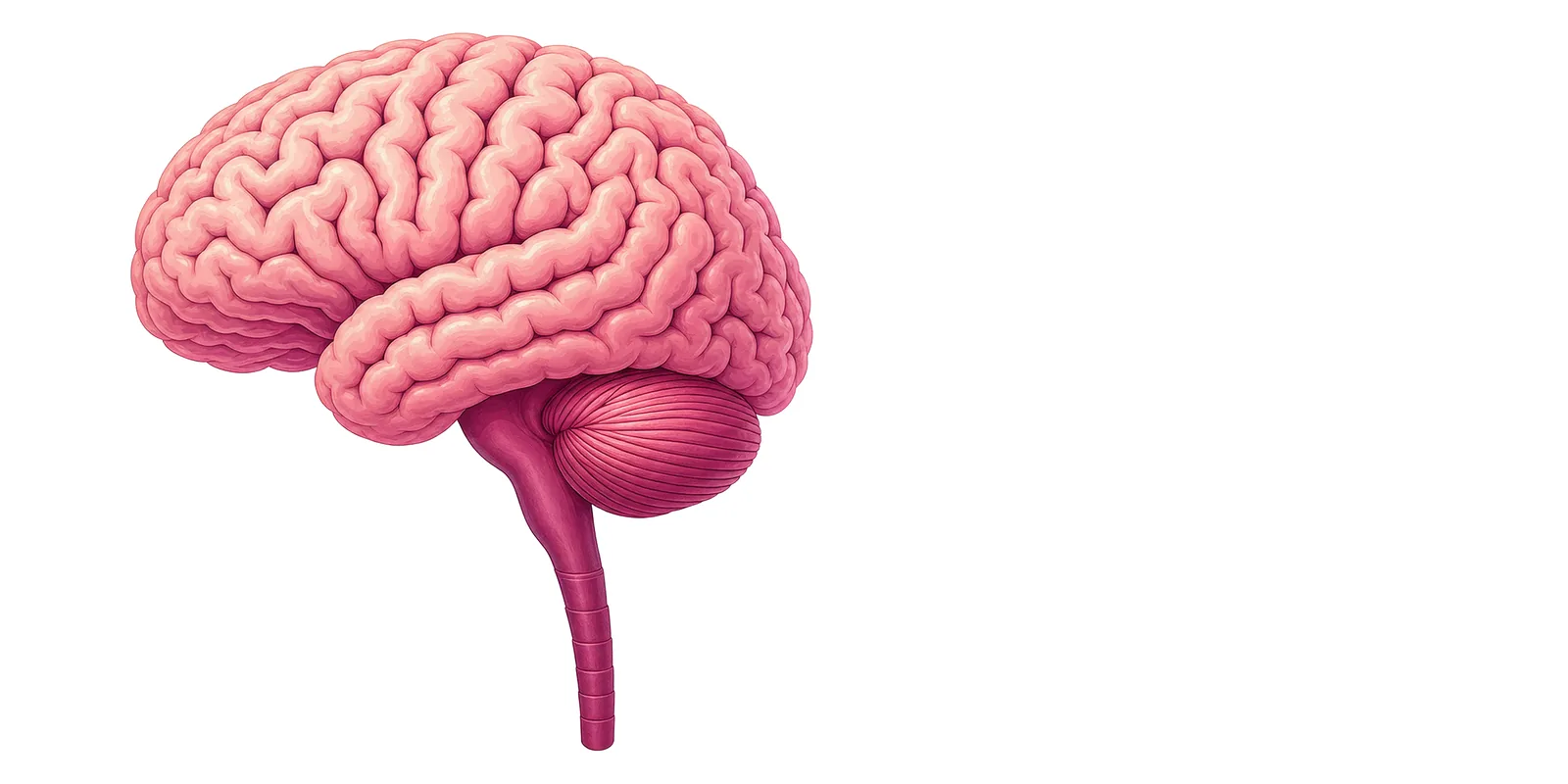
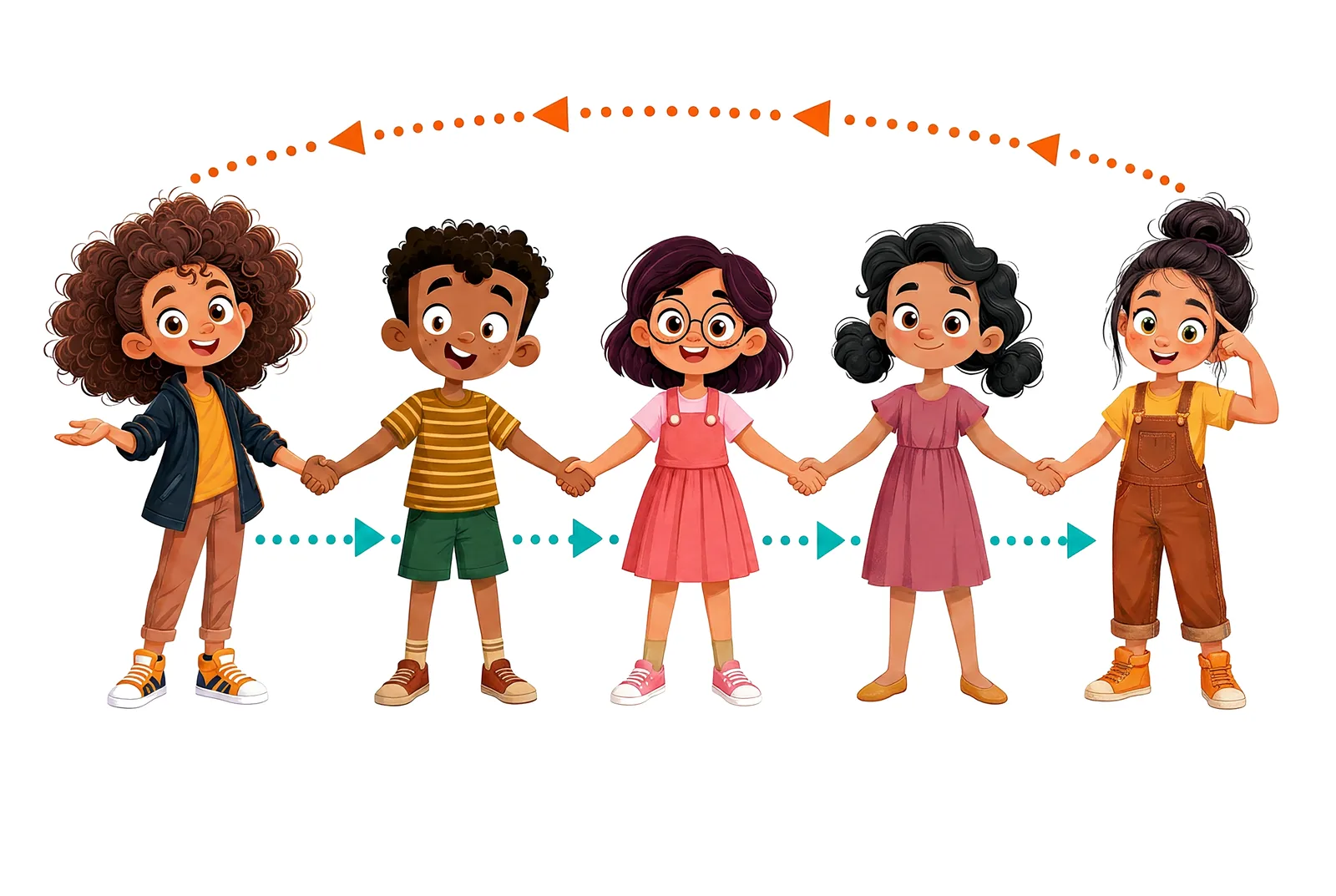
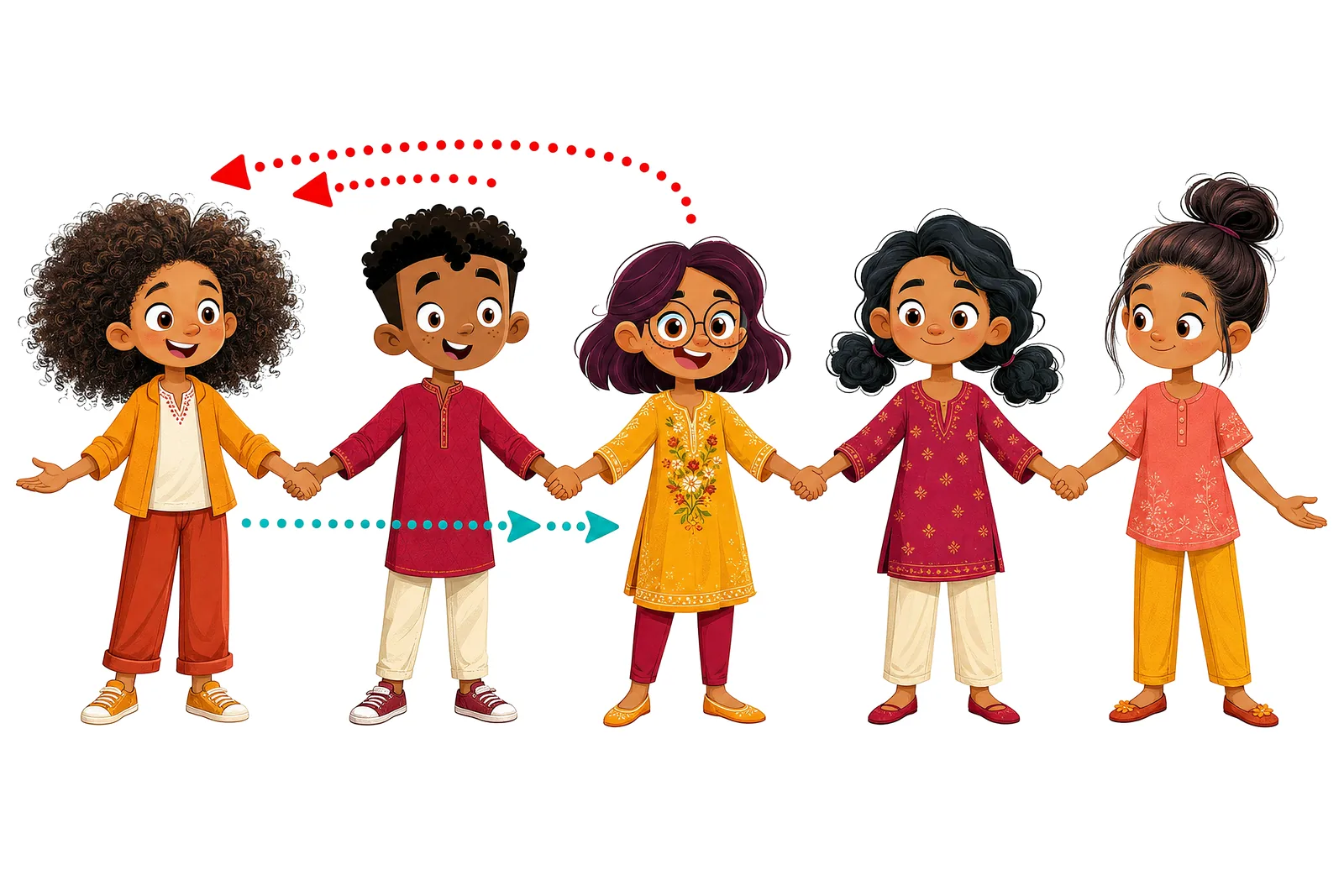
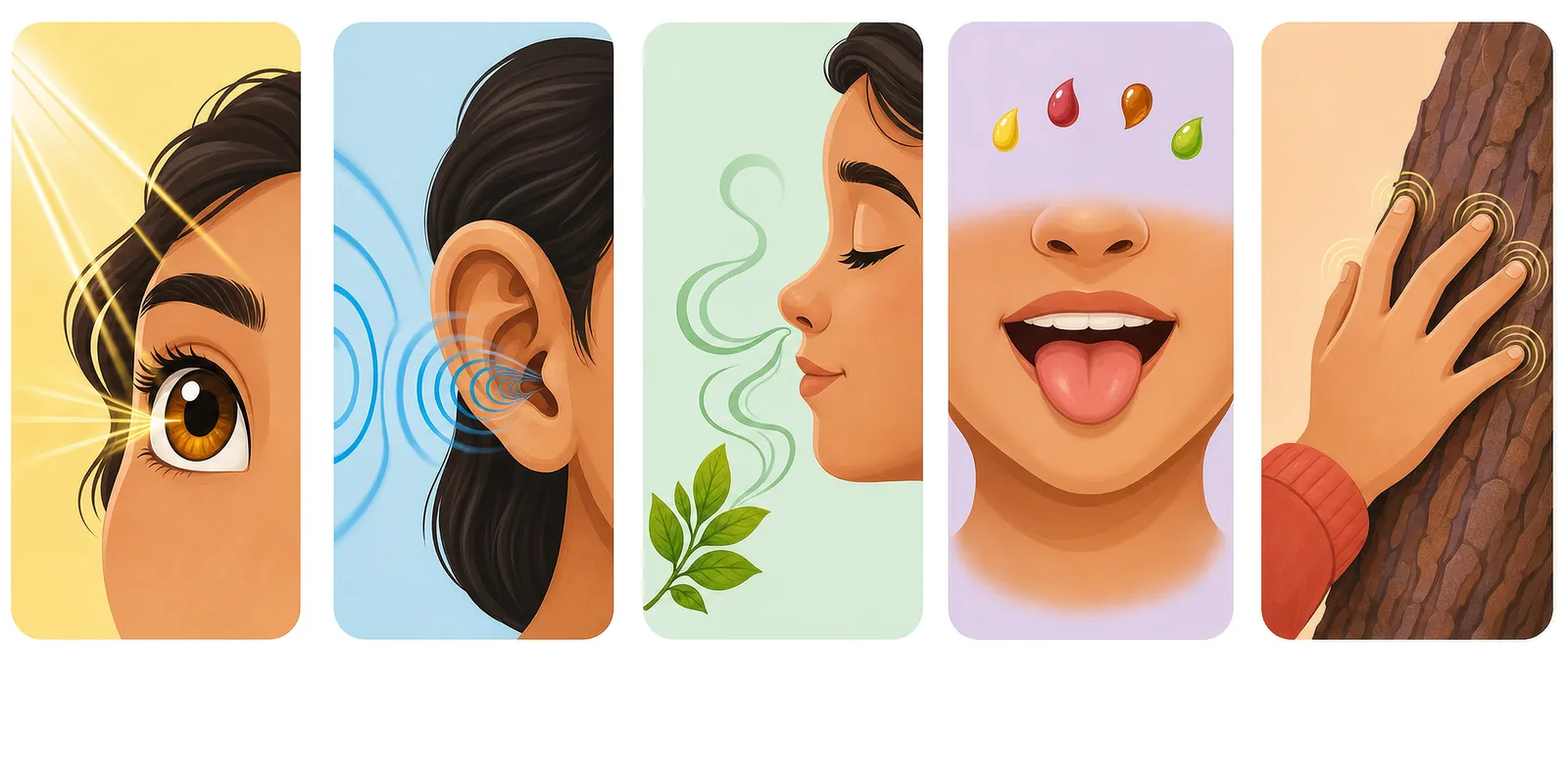
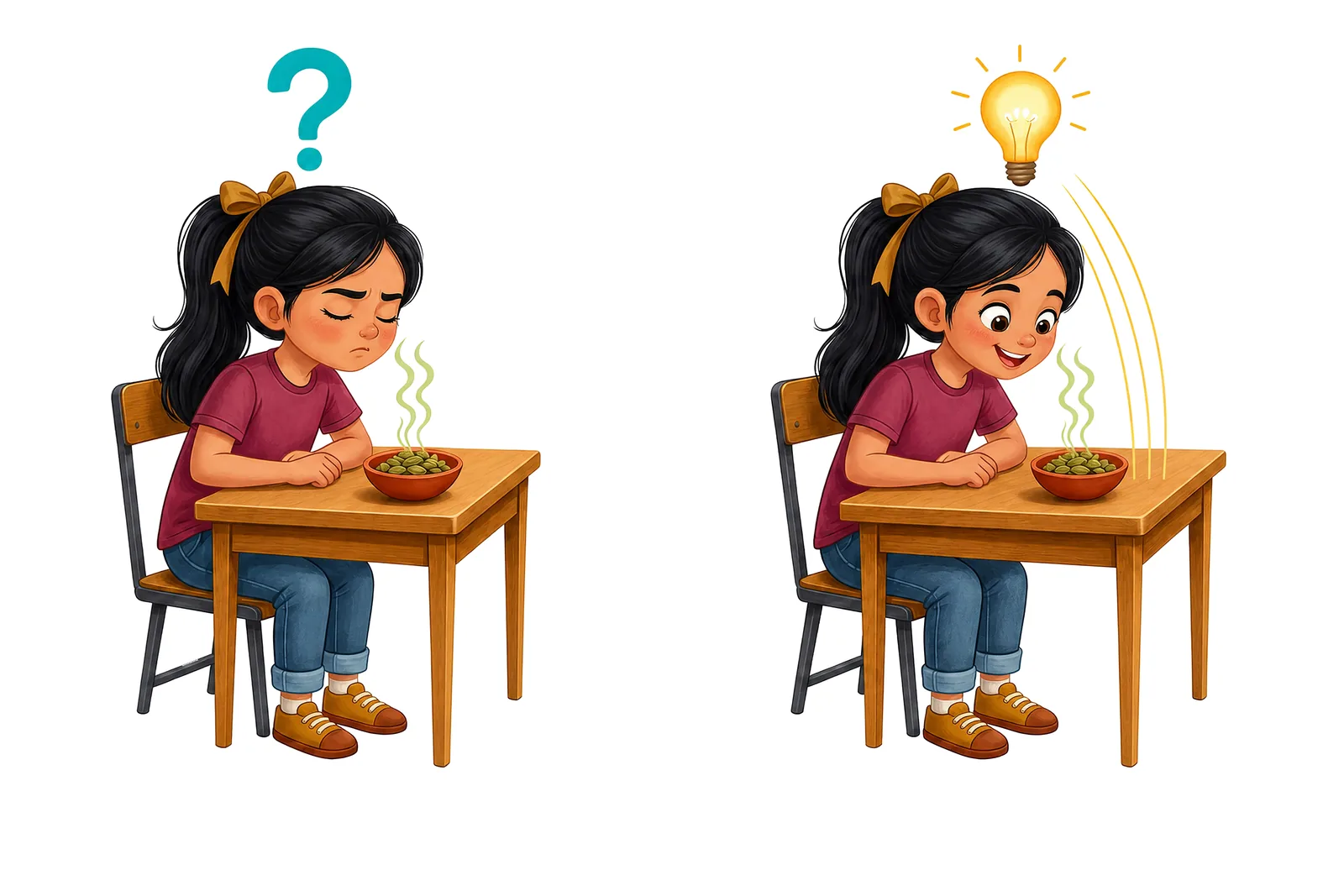
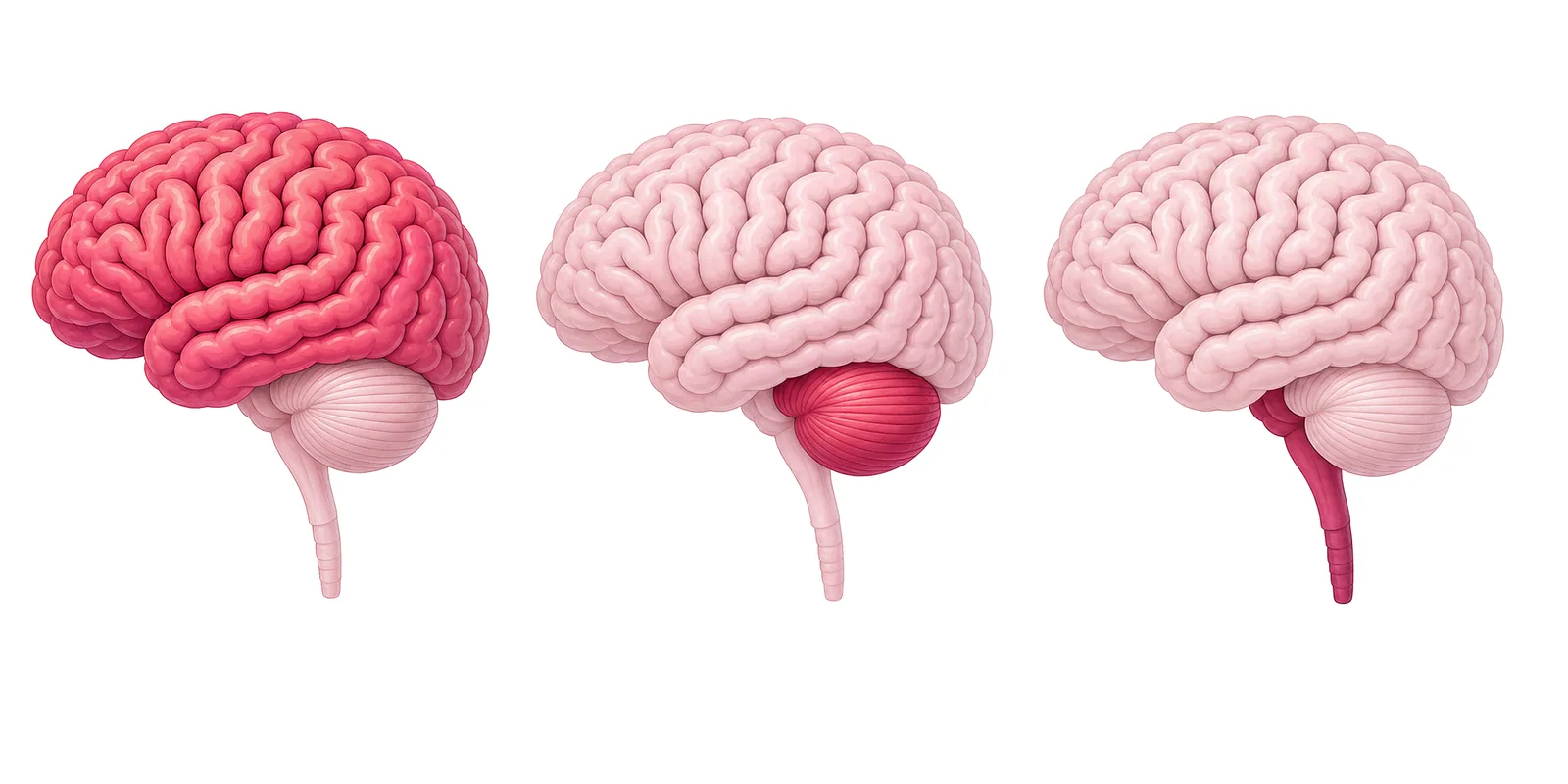
Chapter 3 — What Should I Eat to Stay Well?
7 pl.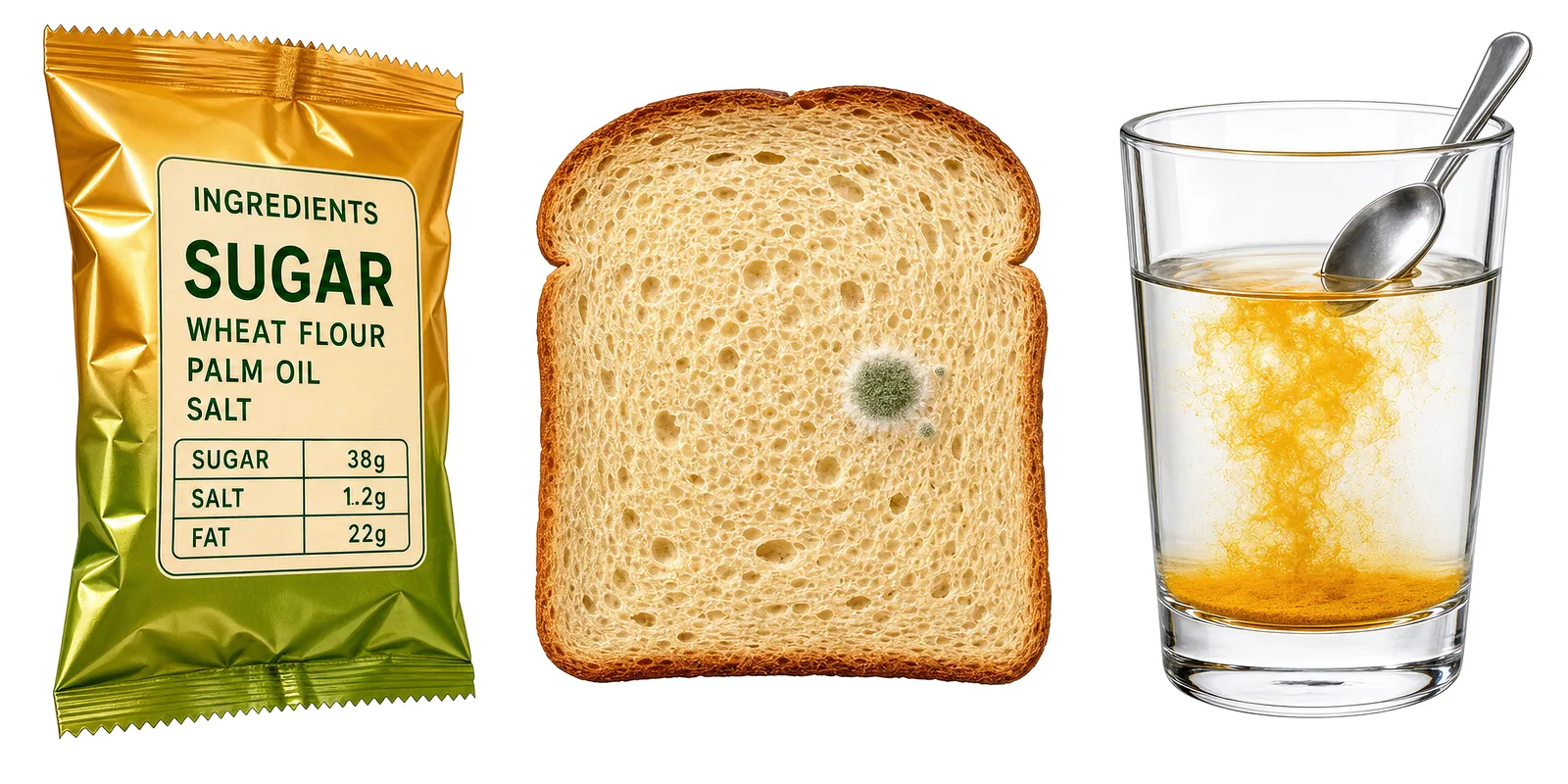
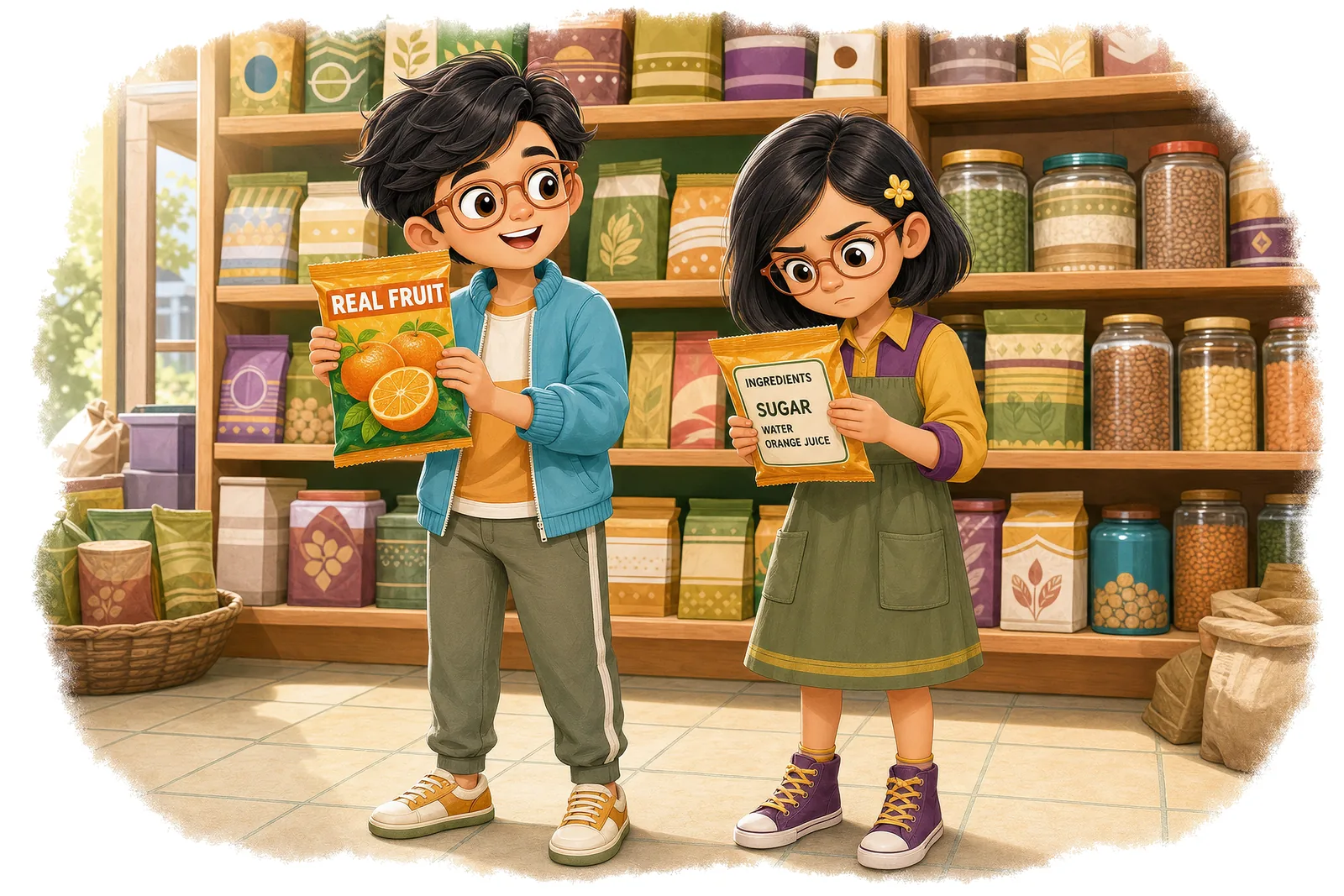
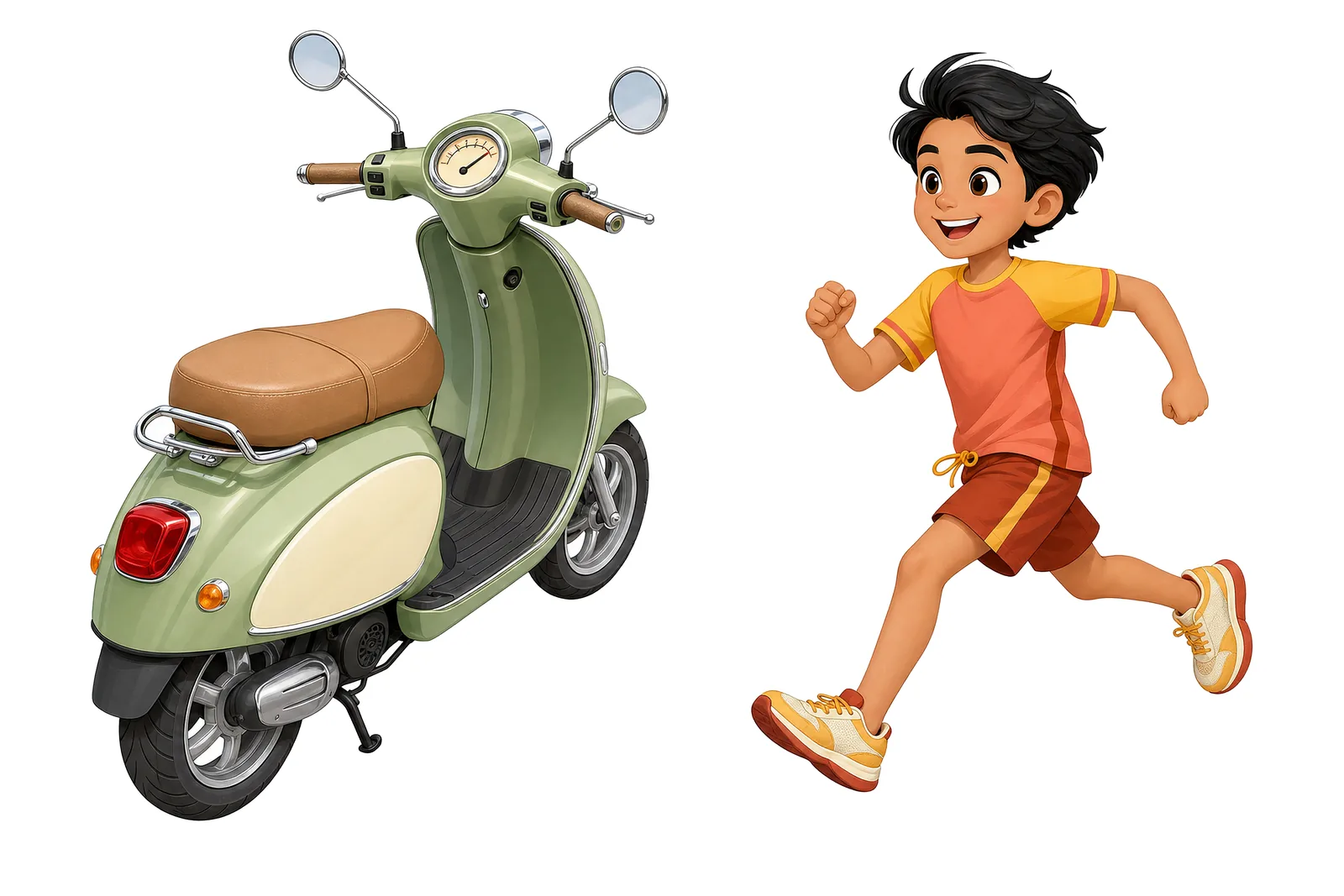
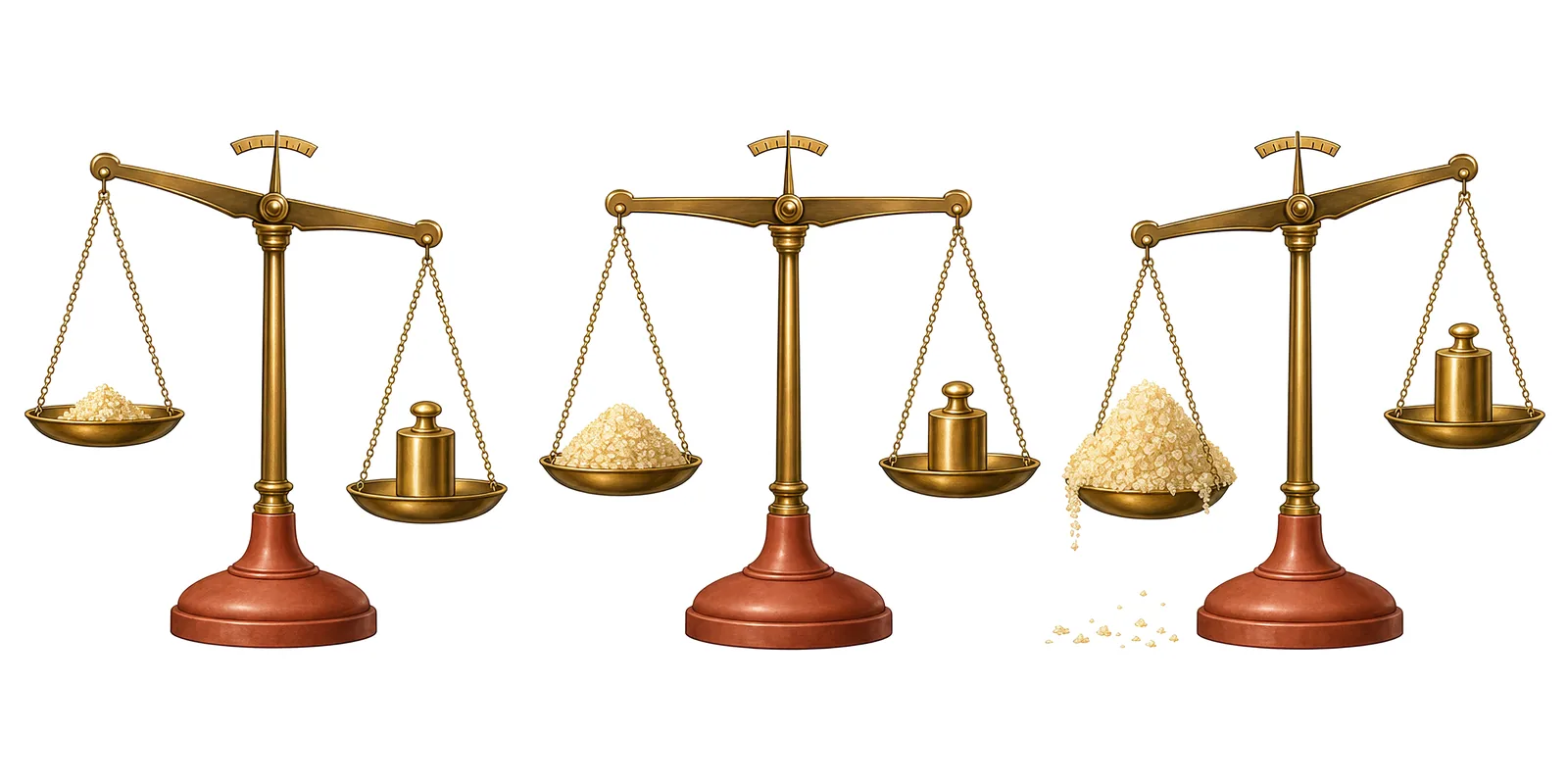
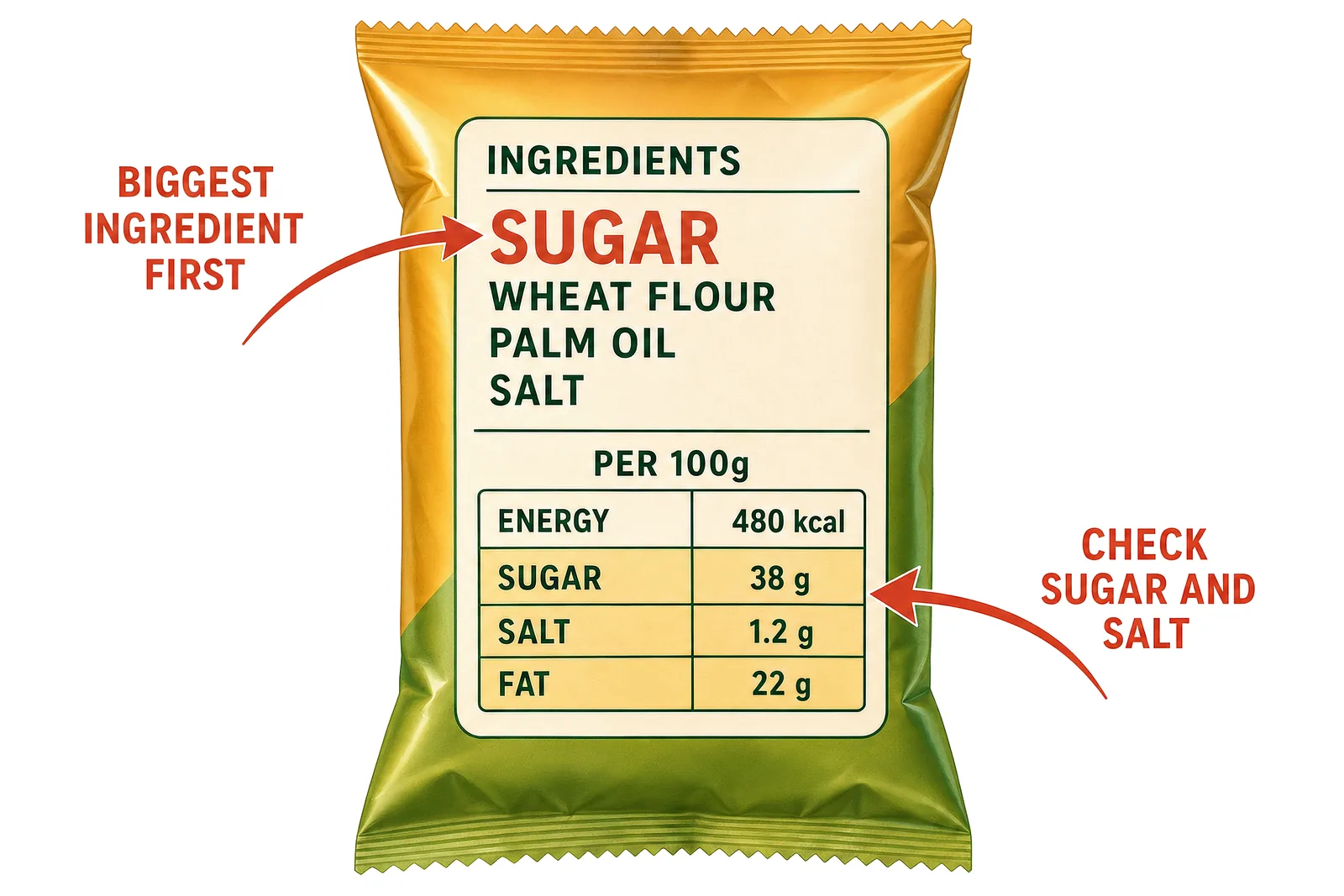
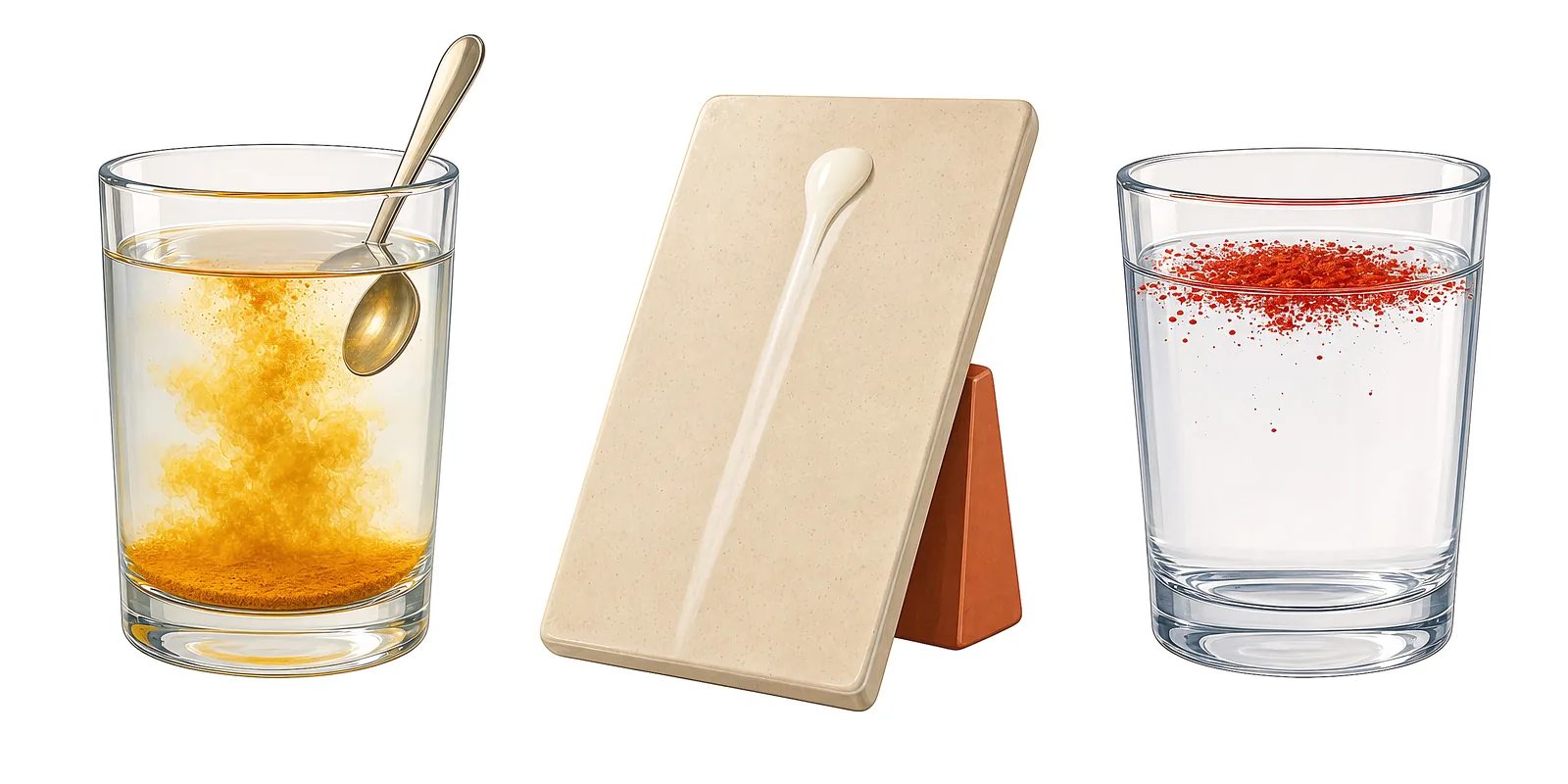
Chapter 4 — How Do I Stay Safe and Help Others?
7 pl.
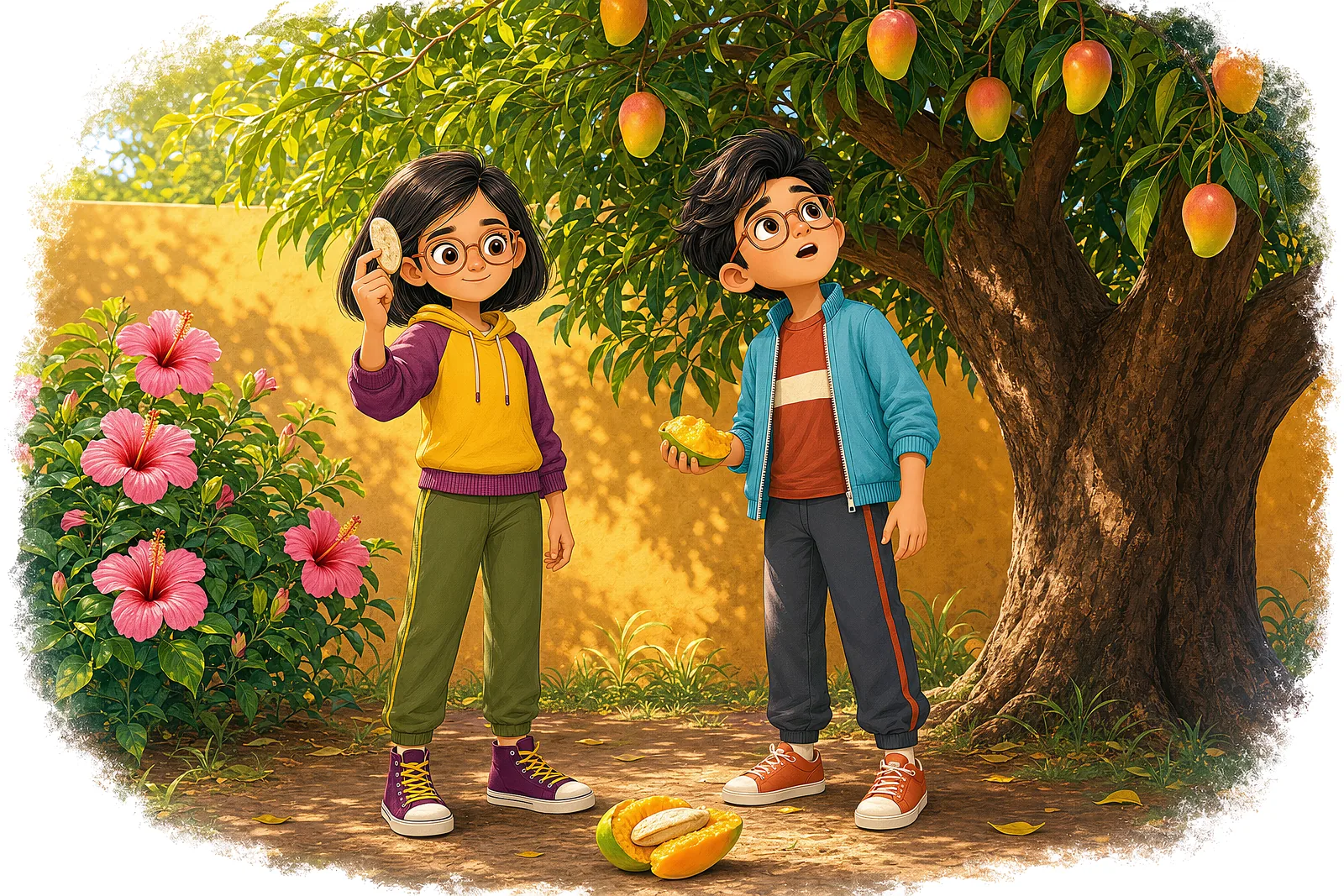
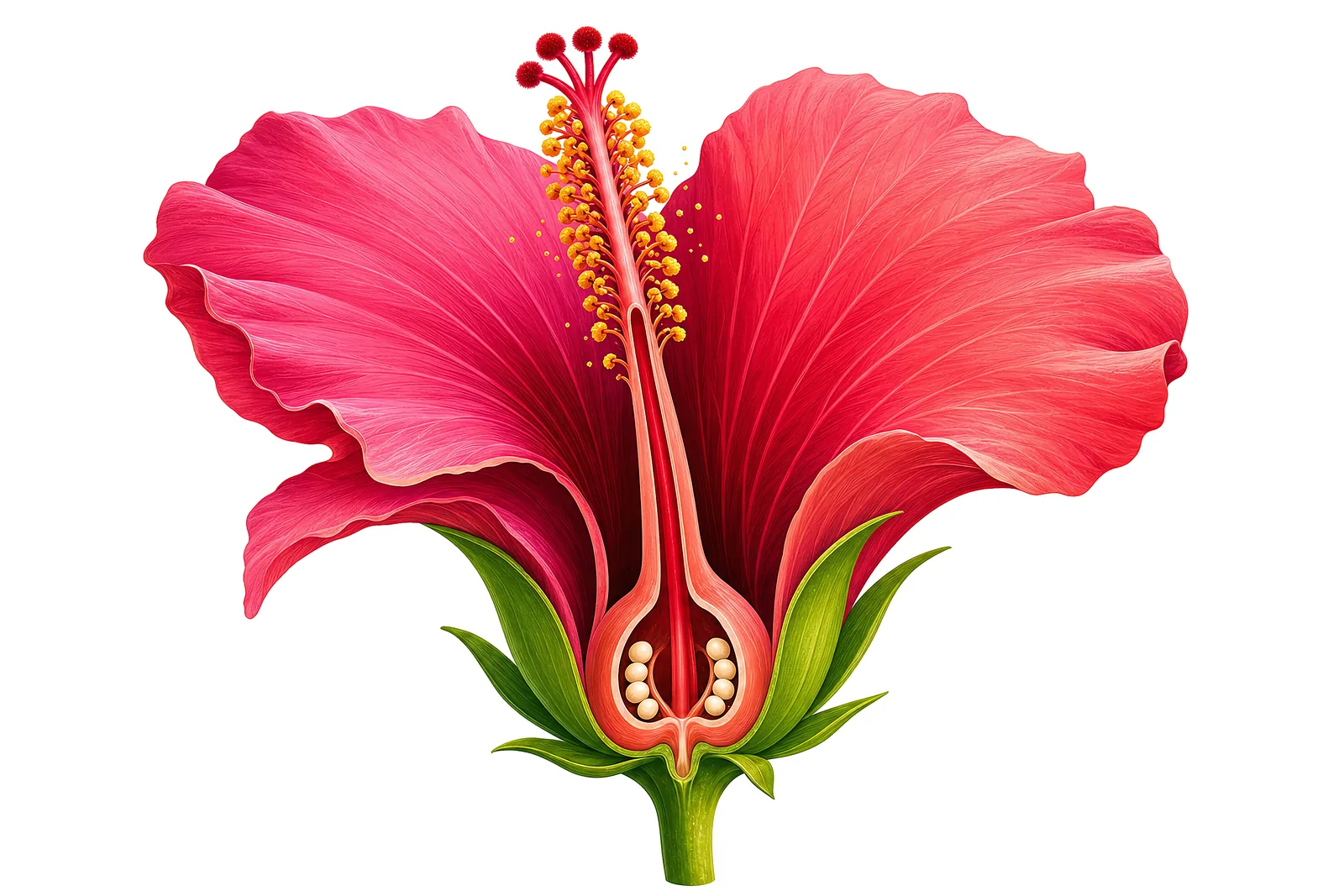
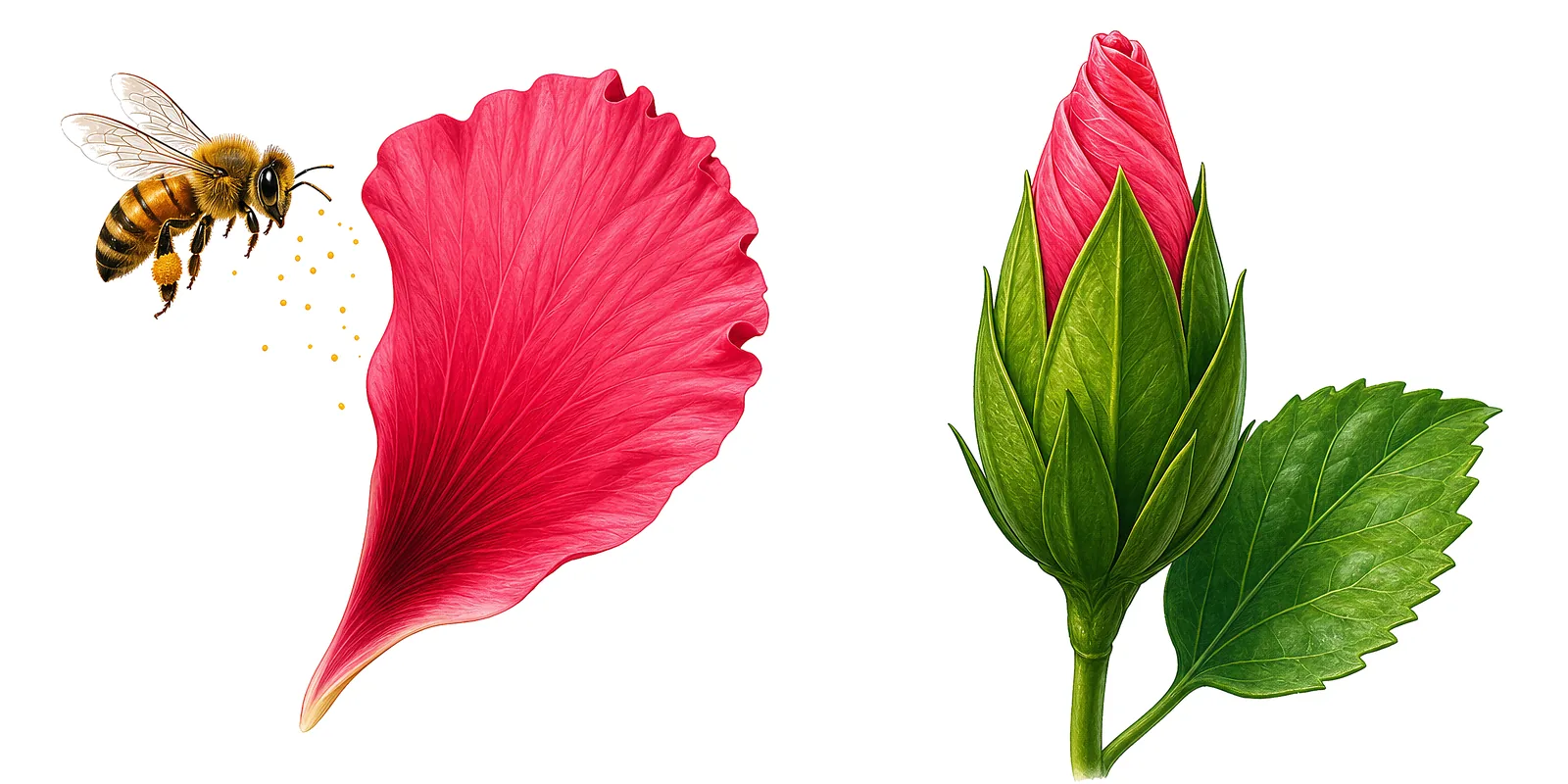
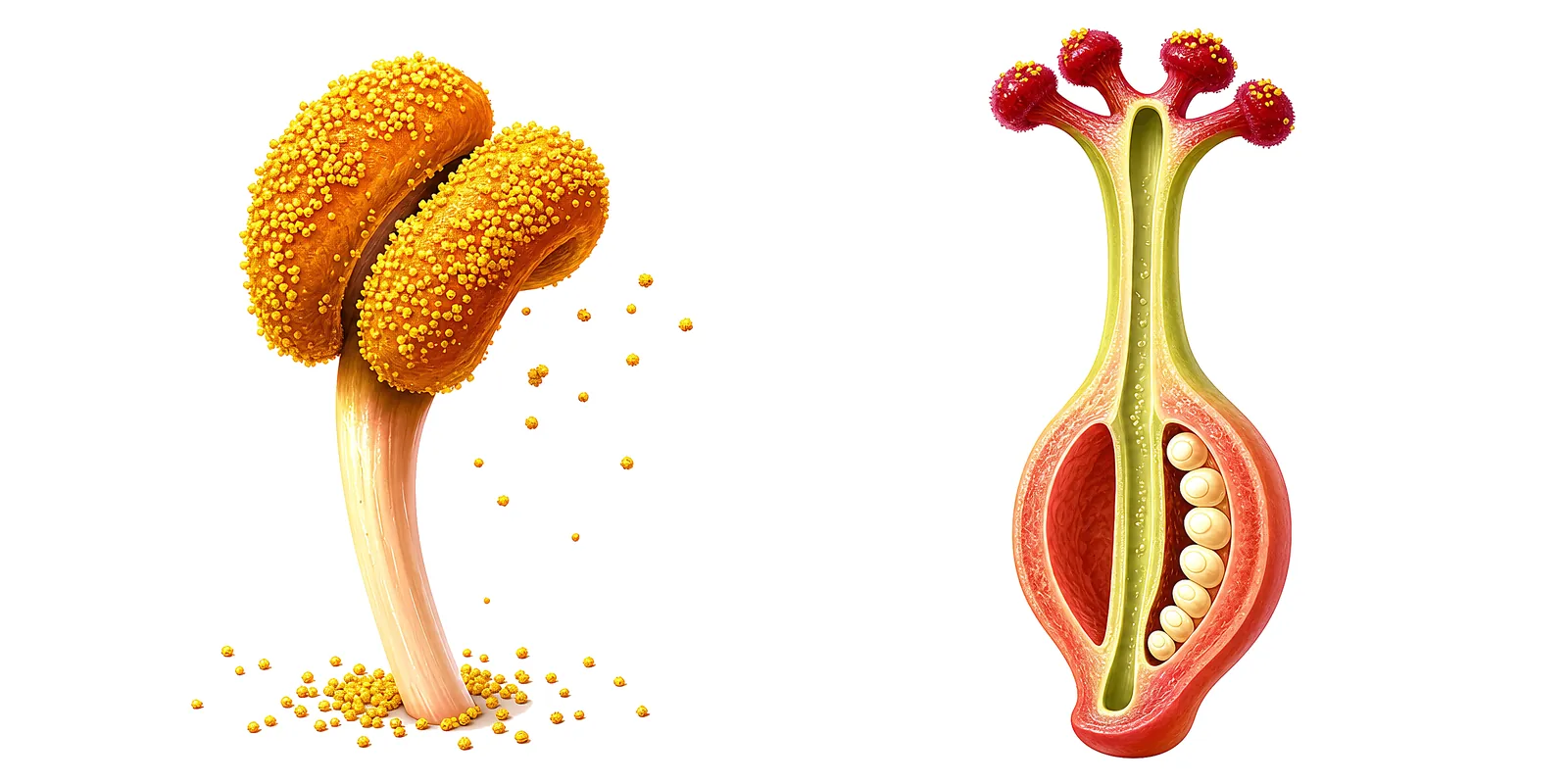
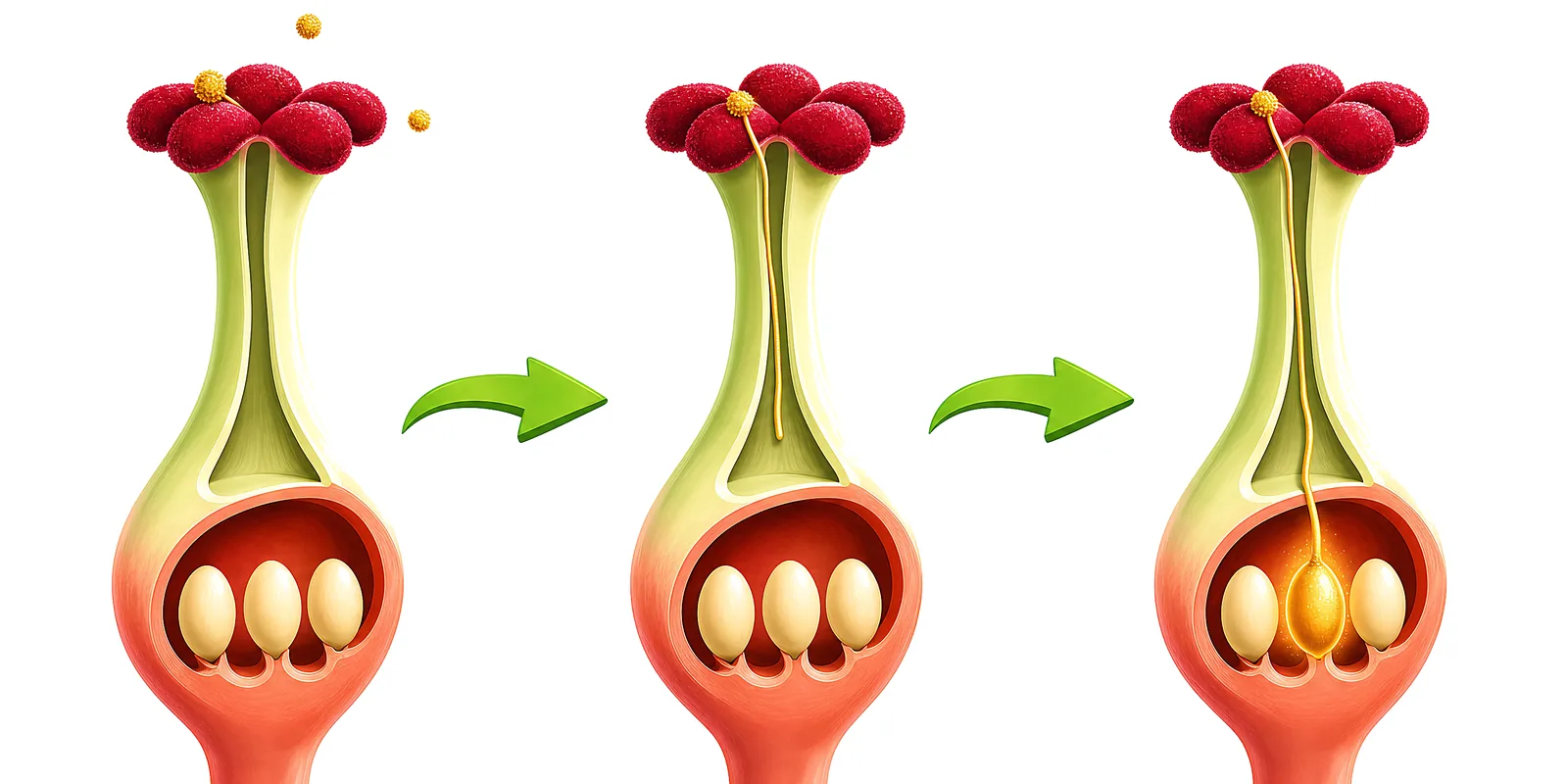
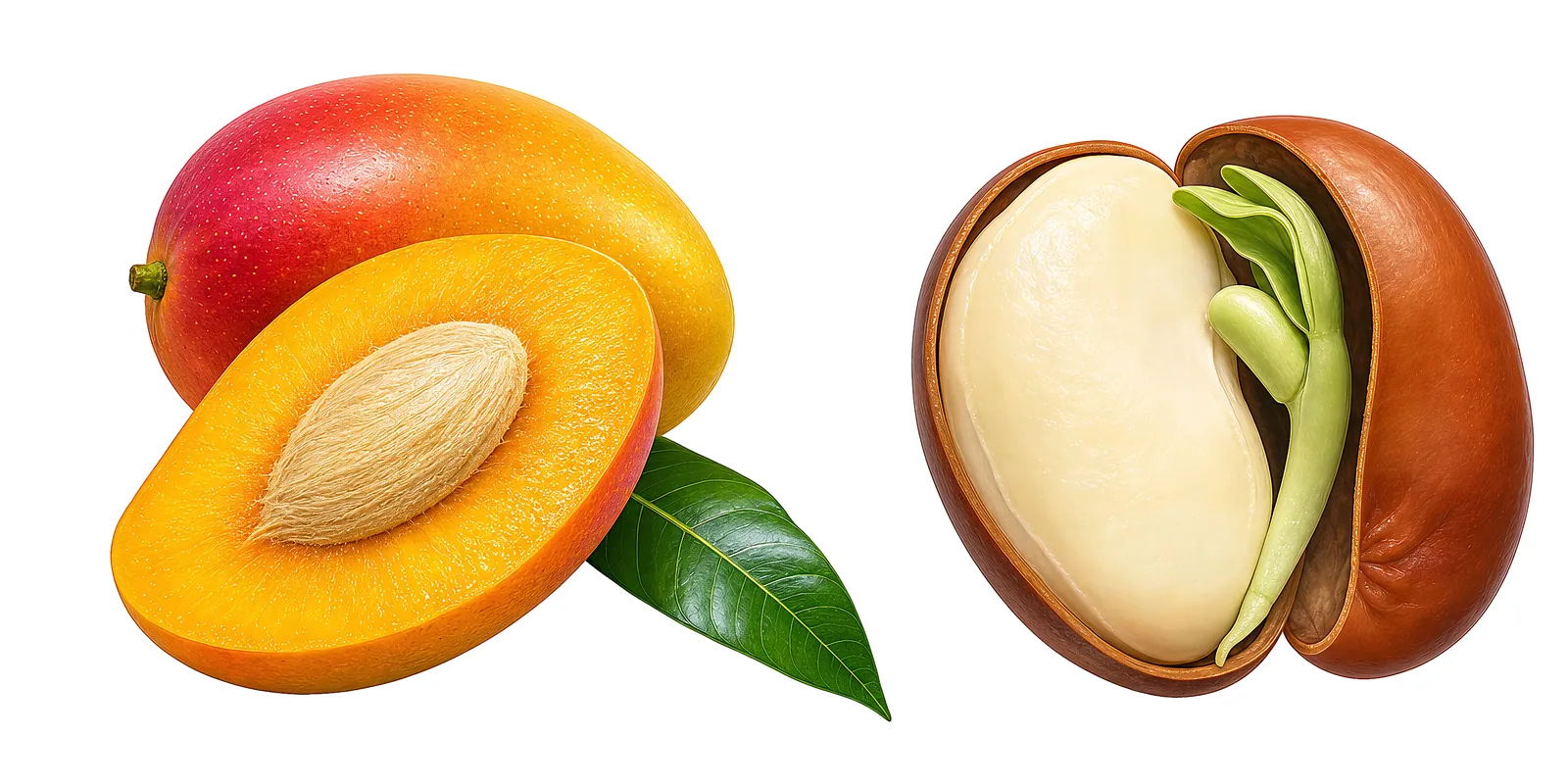
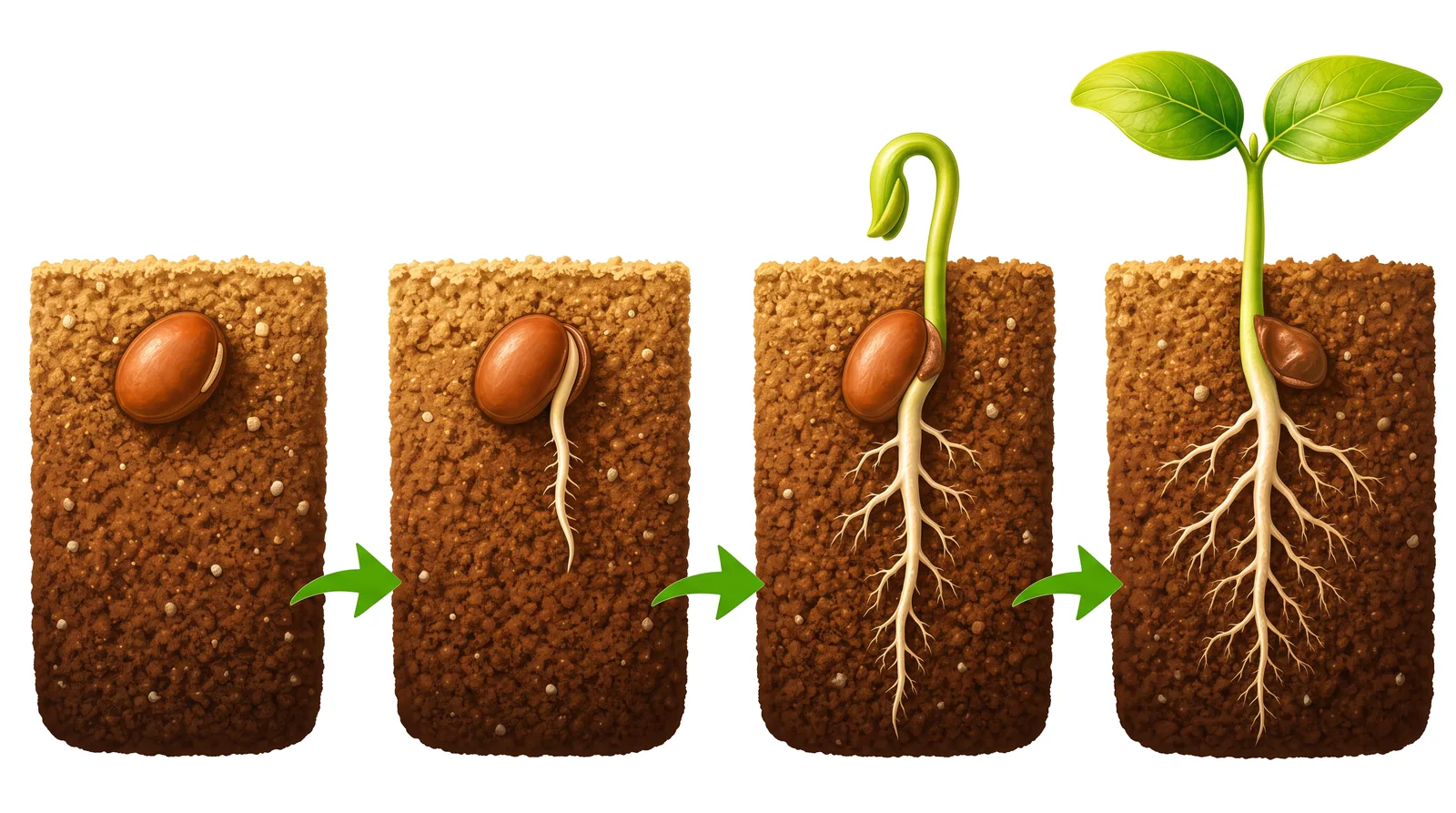
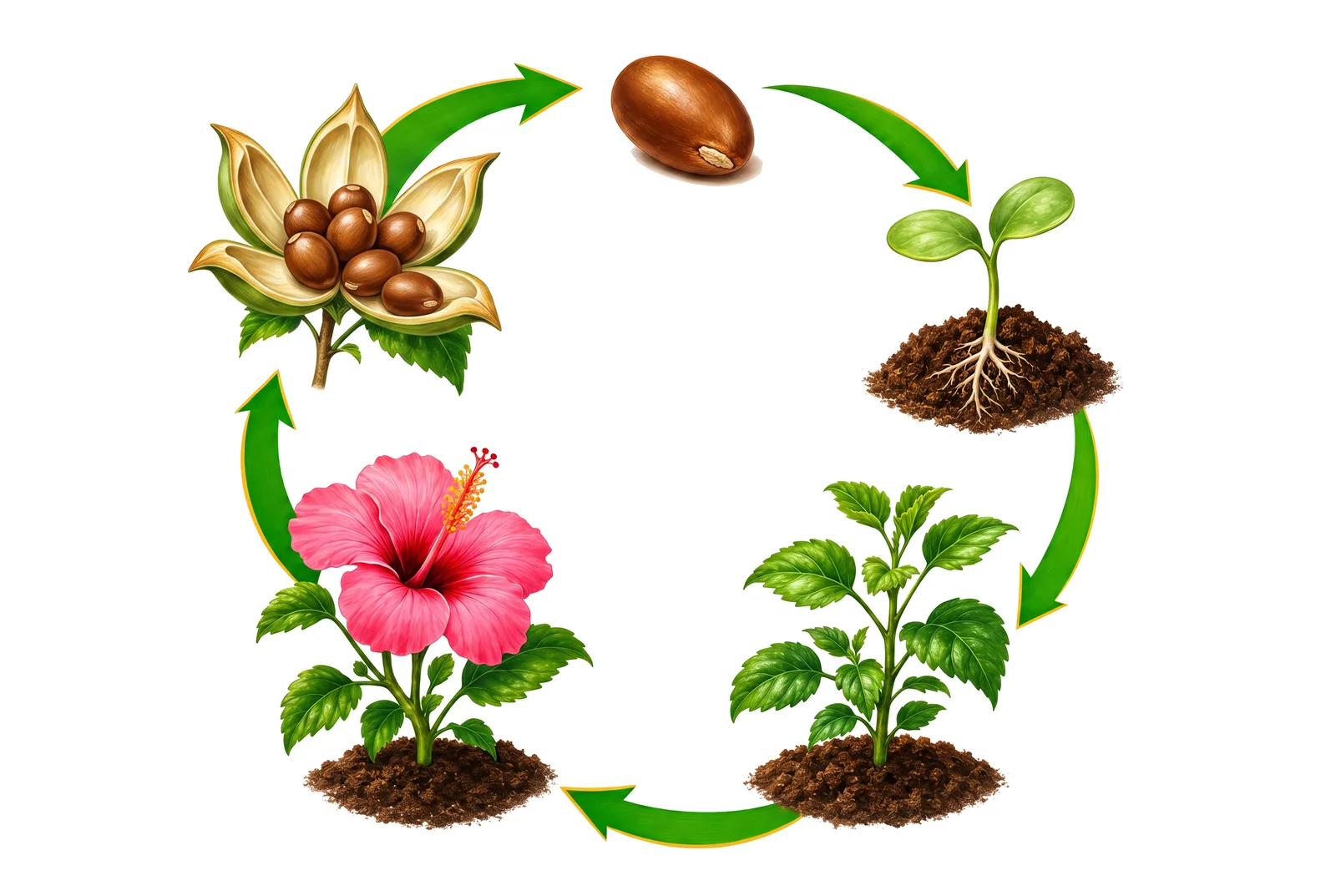
Chapter 5 — How Is a New Plant Made?
9 pl.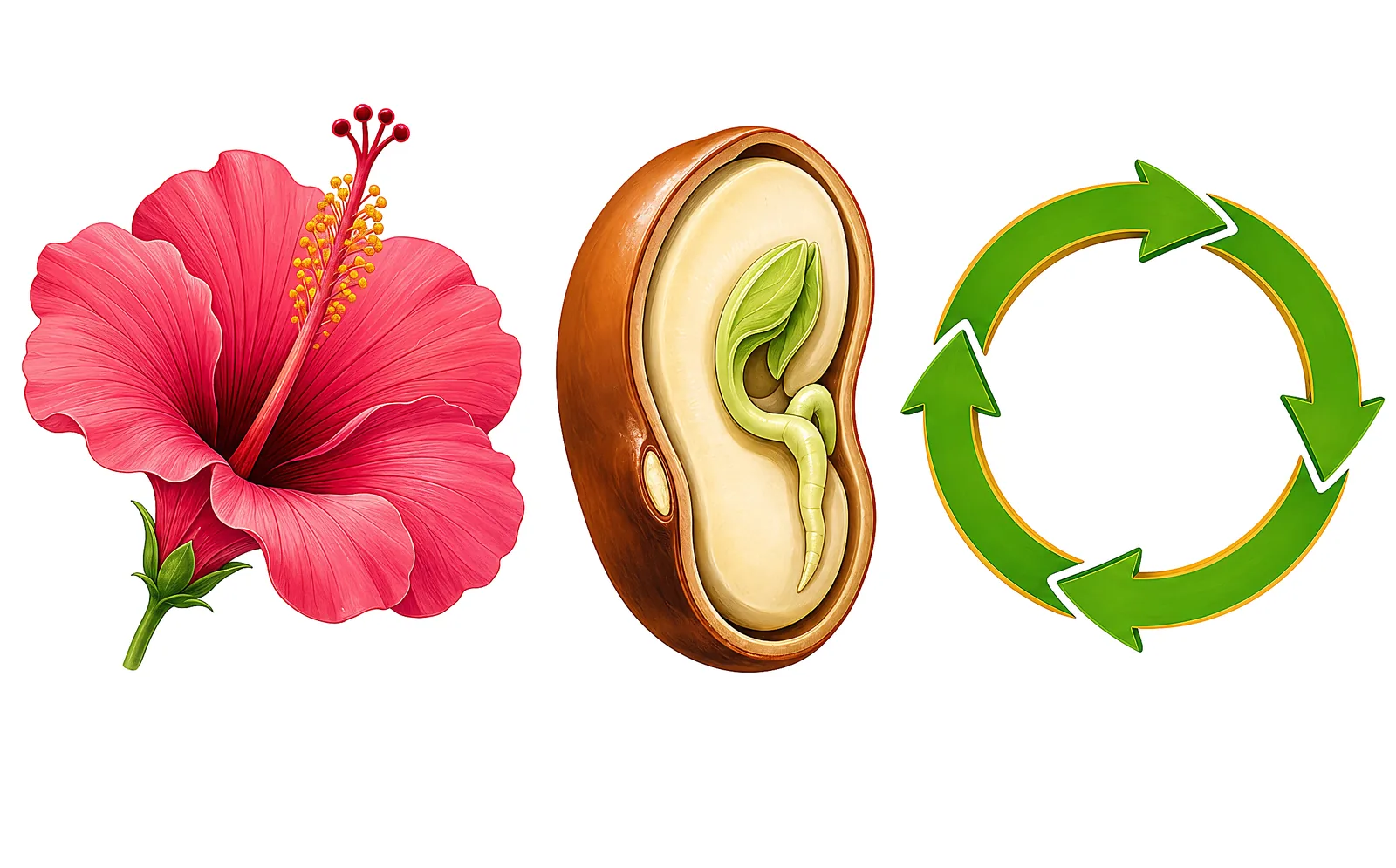
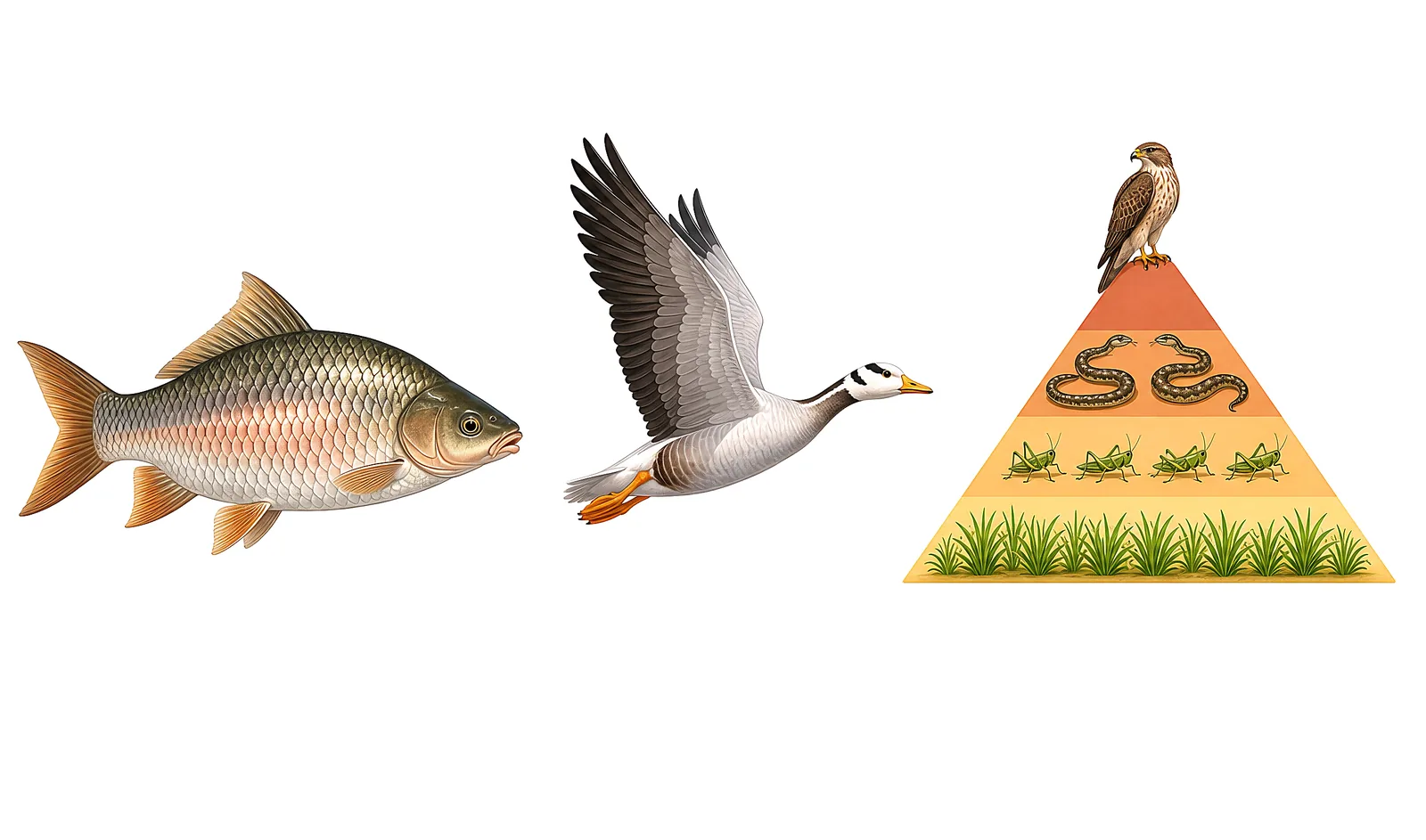
Chapter 6 — How Do Animals Live?
8 pl.