← Back to Work

Grade-3 Science — Textbook Illustrations

A complete, chapter-by-chapter illustration set for a Grade-3 science textbook — hero openers, clear teaching diagrams and warm everyday scenes, spanning the human body, food, plants, animals, weather, soil, birds and the night sky.

TextbookGrade 3ScienceDiagramsCharacter Design

A full Grade-3 science textbook, illustrated end to end — chapter by chapter, from the human body and healthy food to plants, animals, weather, soil, birds and the night sky.

Each chapter blends three kinds of artwork: warm opener scenes that draw children in, clear teaching diagrams (the water cycle, photosynthesis, the solar system, soil layers) that make ideas easy to grasp, and friendly everyday moments they can relate to. The style is bright, consistent and child-first, then prepared at print resolution.

Created for Jaipuria Possibilities EduTech.

Chapter 1 — How Are Birds Built?
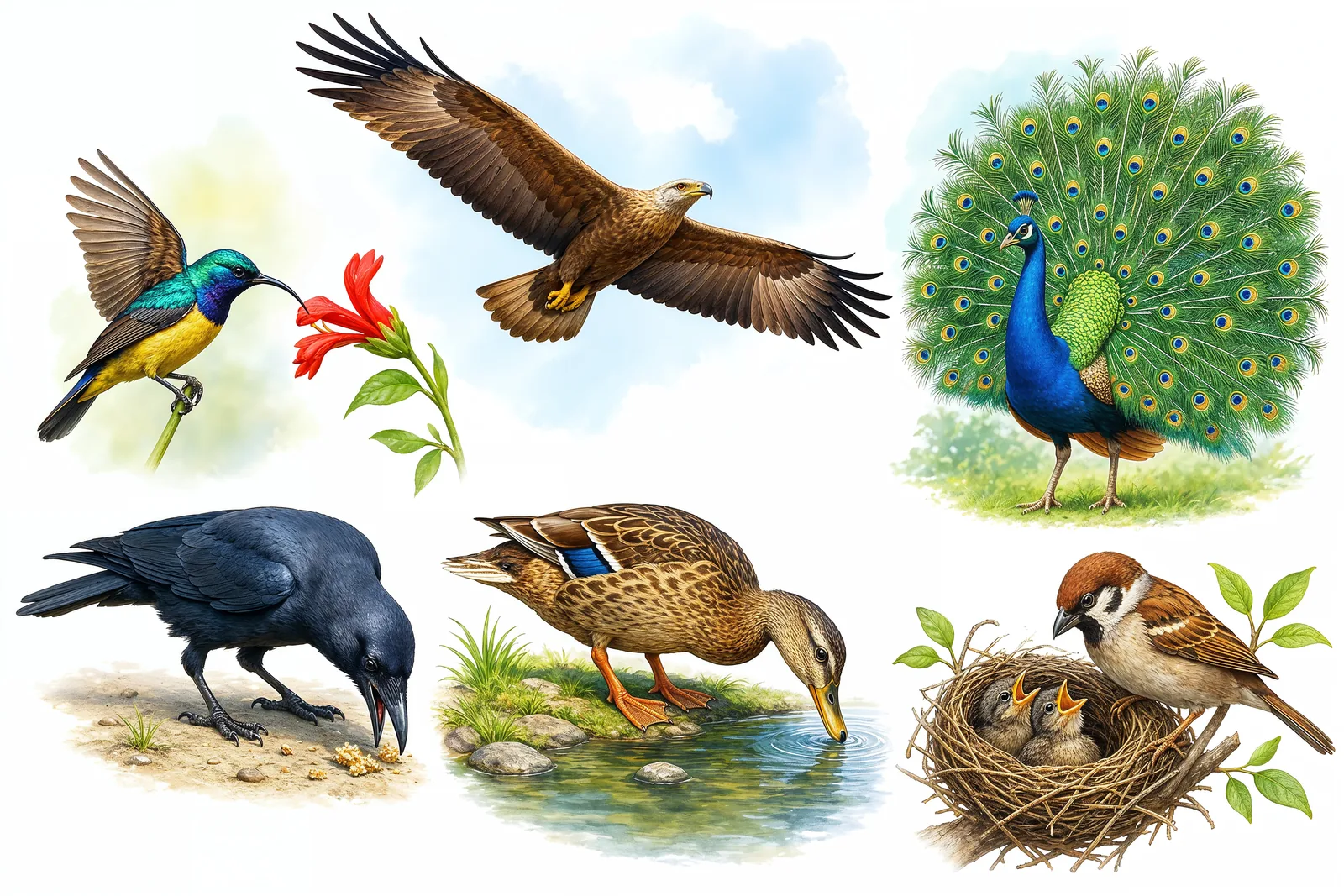
A gathering of birds — each built for its own way of life.
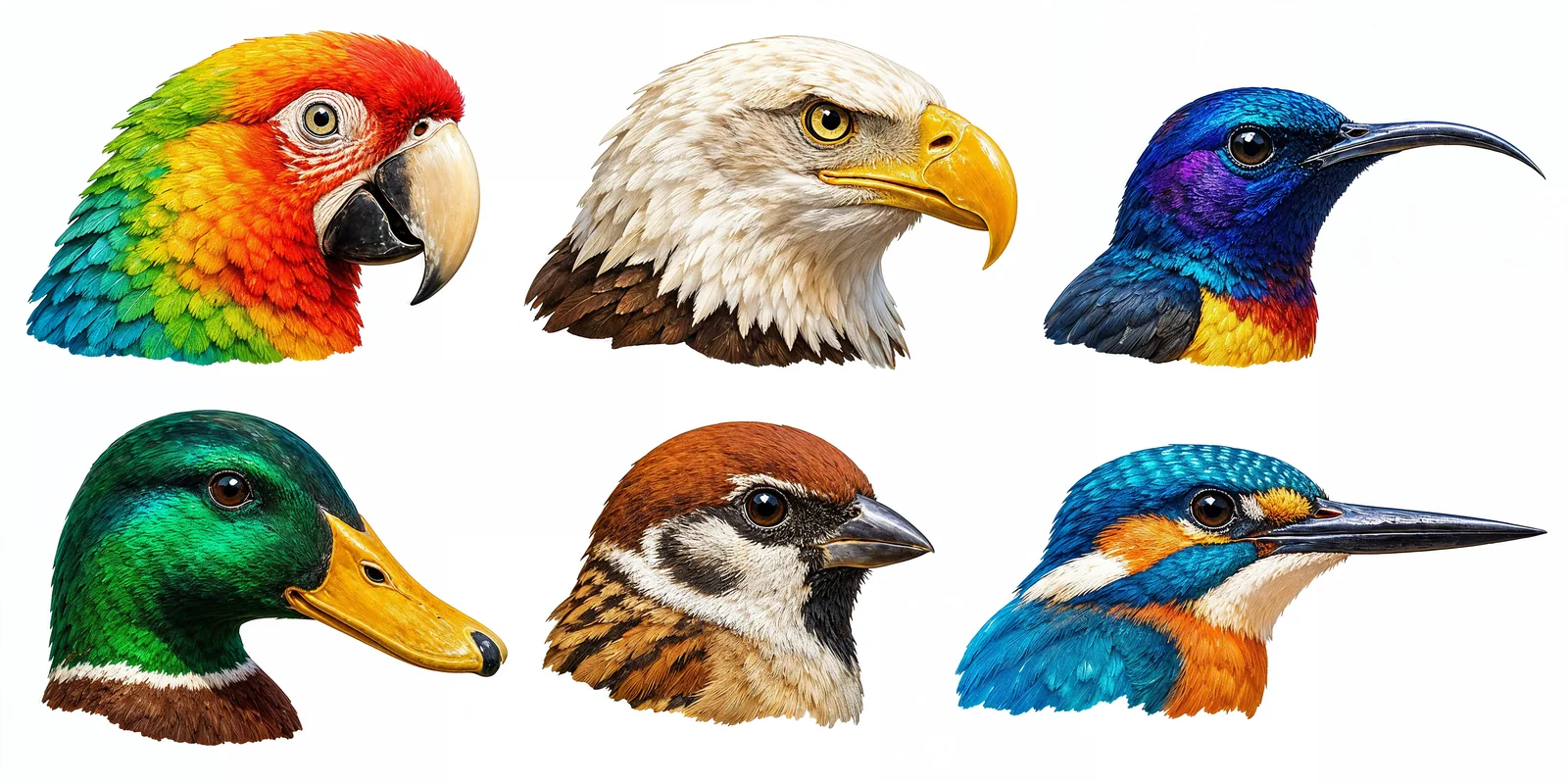
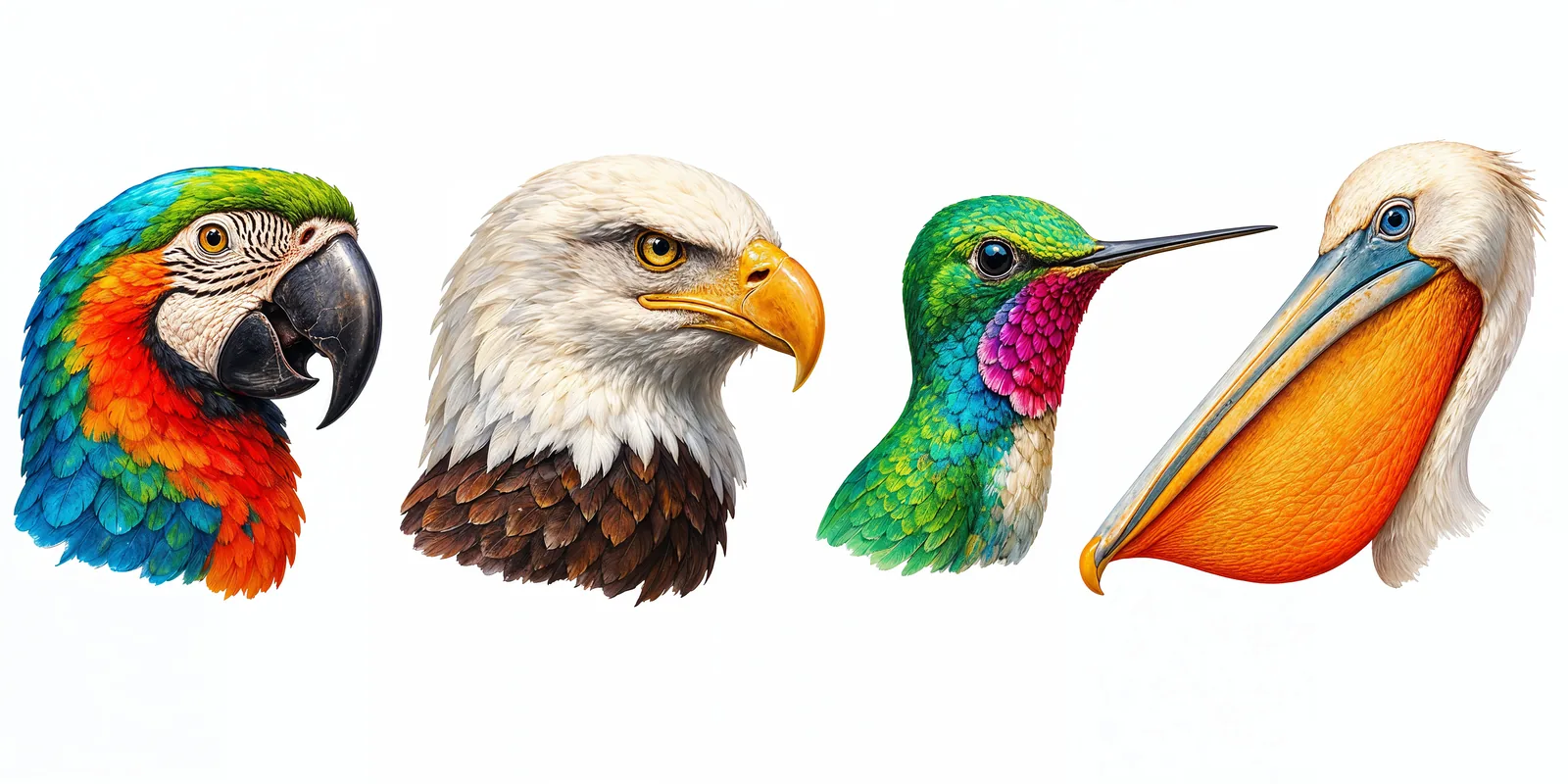
Six beaks, six diets — form follows food.
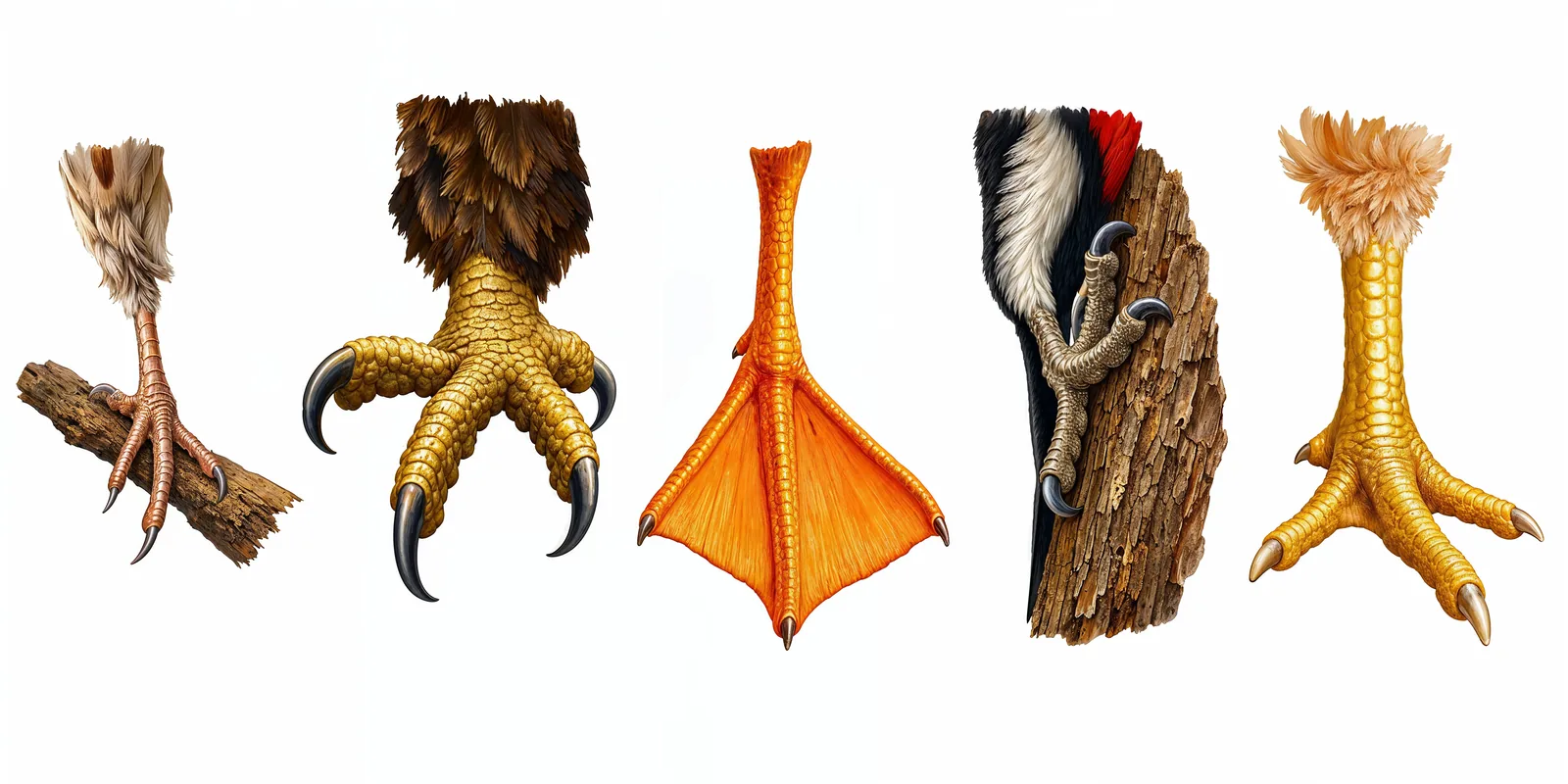
Different feet for perching, swimming, climbing and gripping.
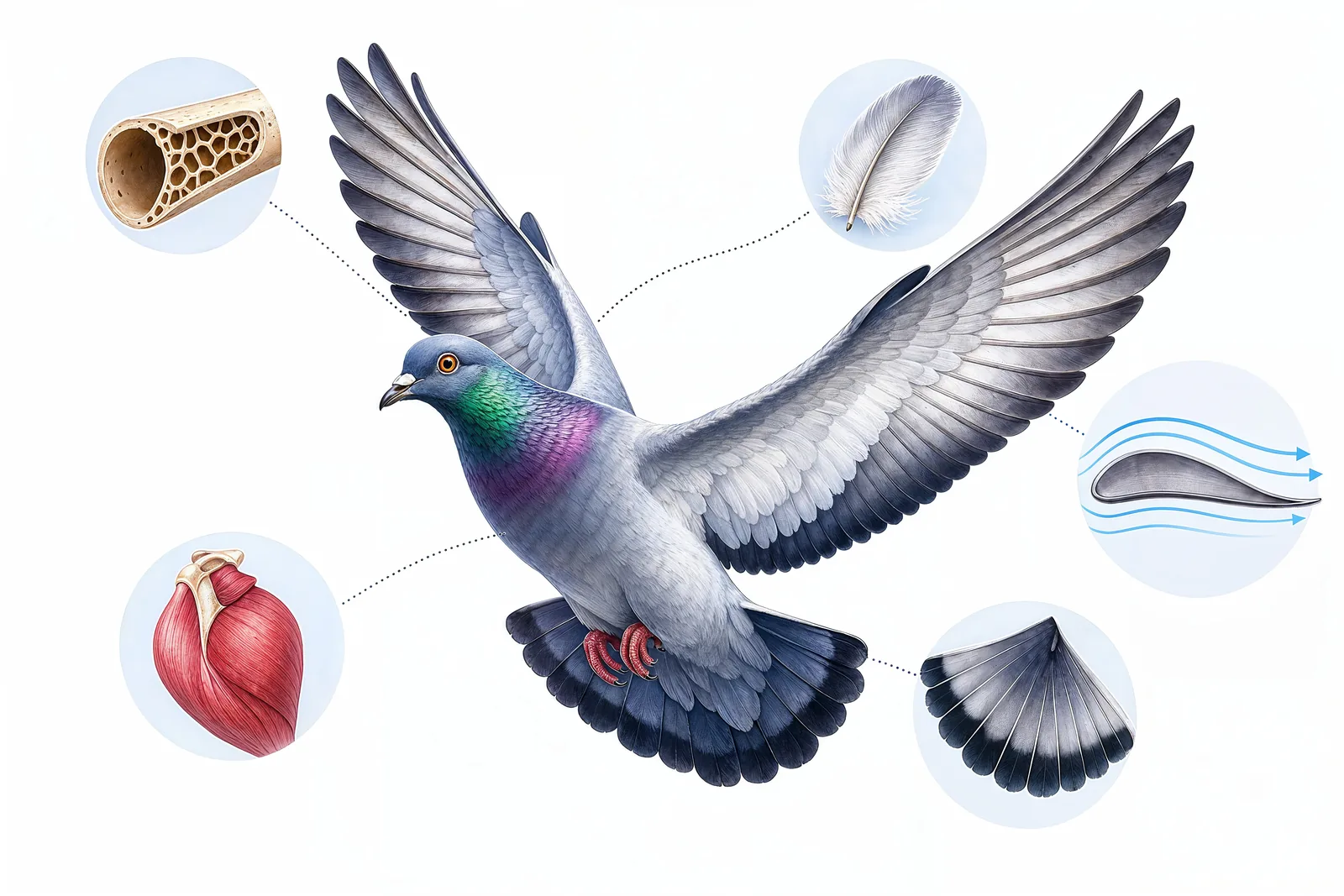
The features that let a bird take to the air.
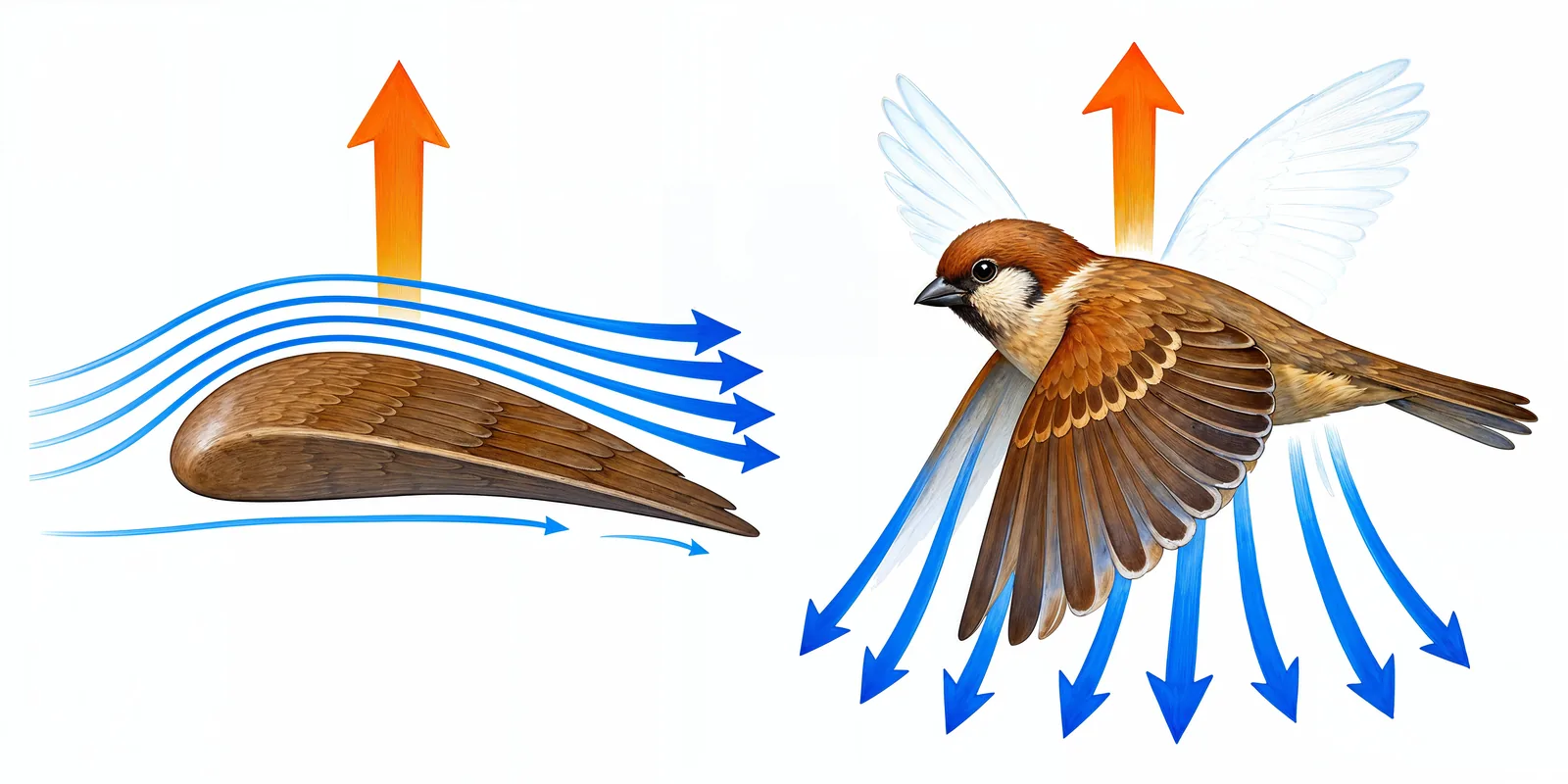
How a wing's shape lifts a bird into flight.
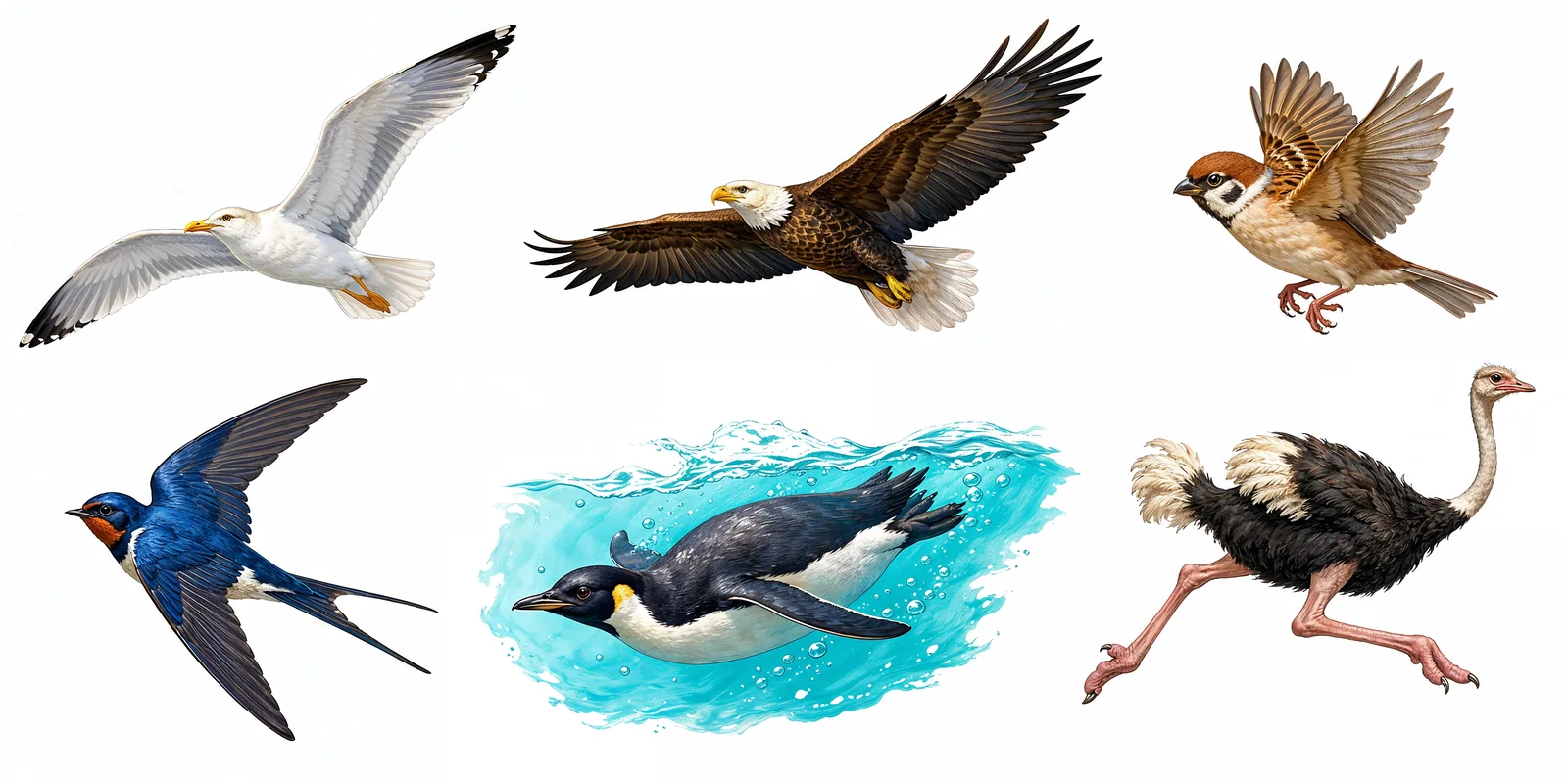
Different wings for gliding, soaring and speed.
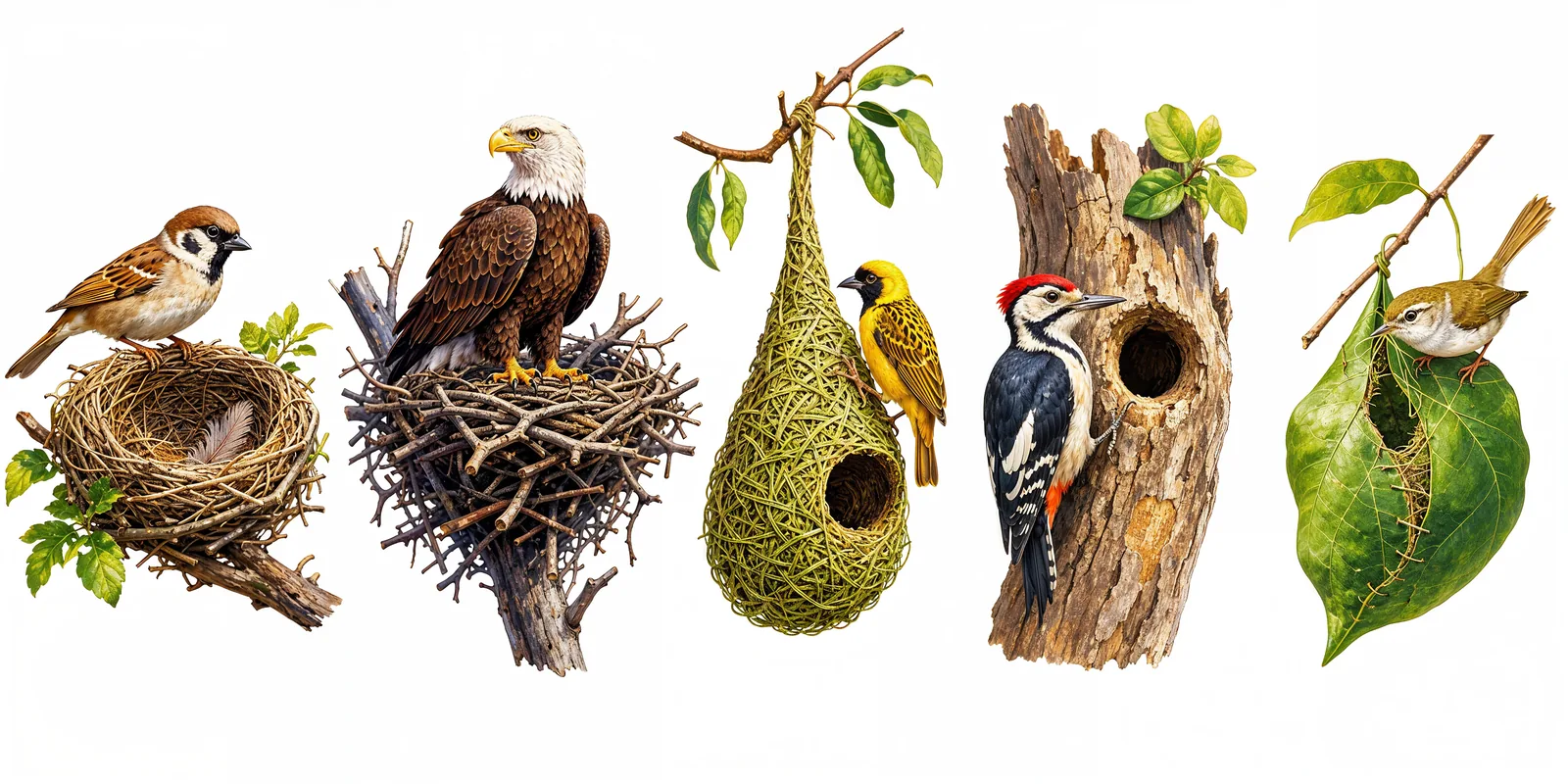
A variety of nests — every bird builds its own way.
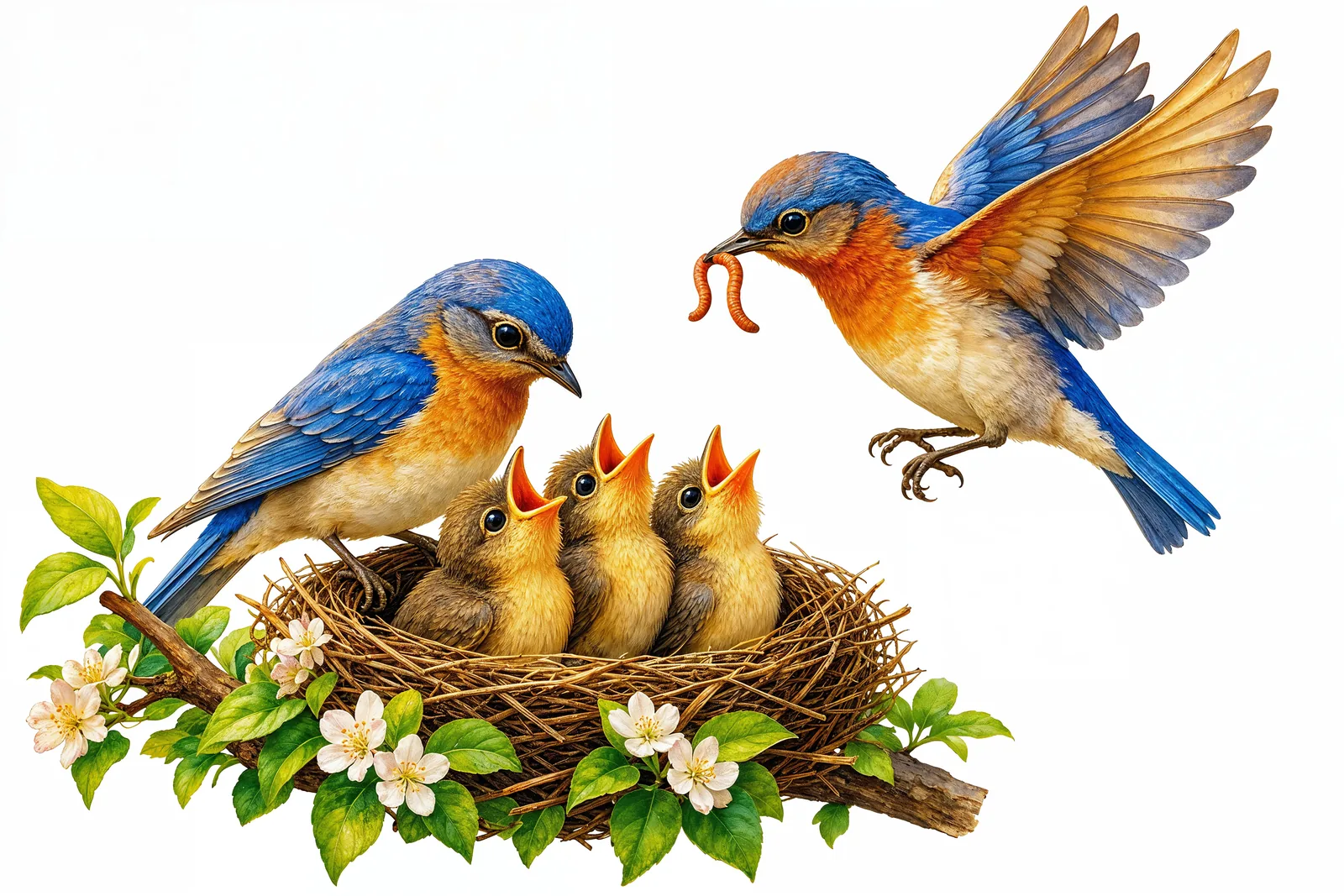
A parent bird feeding its hungry chicks.

Chapter 2 — What Is Soil?
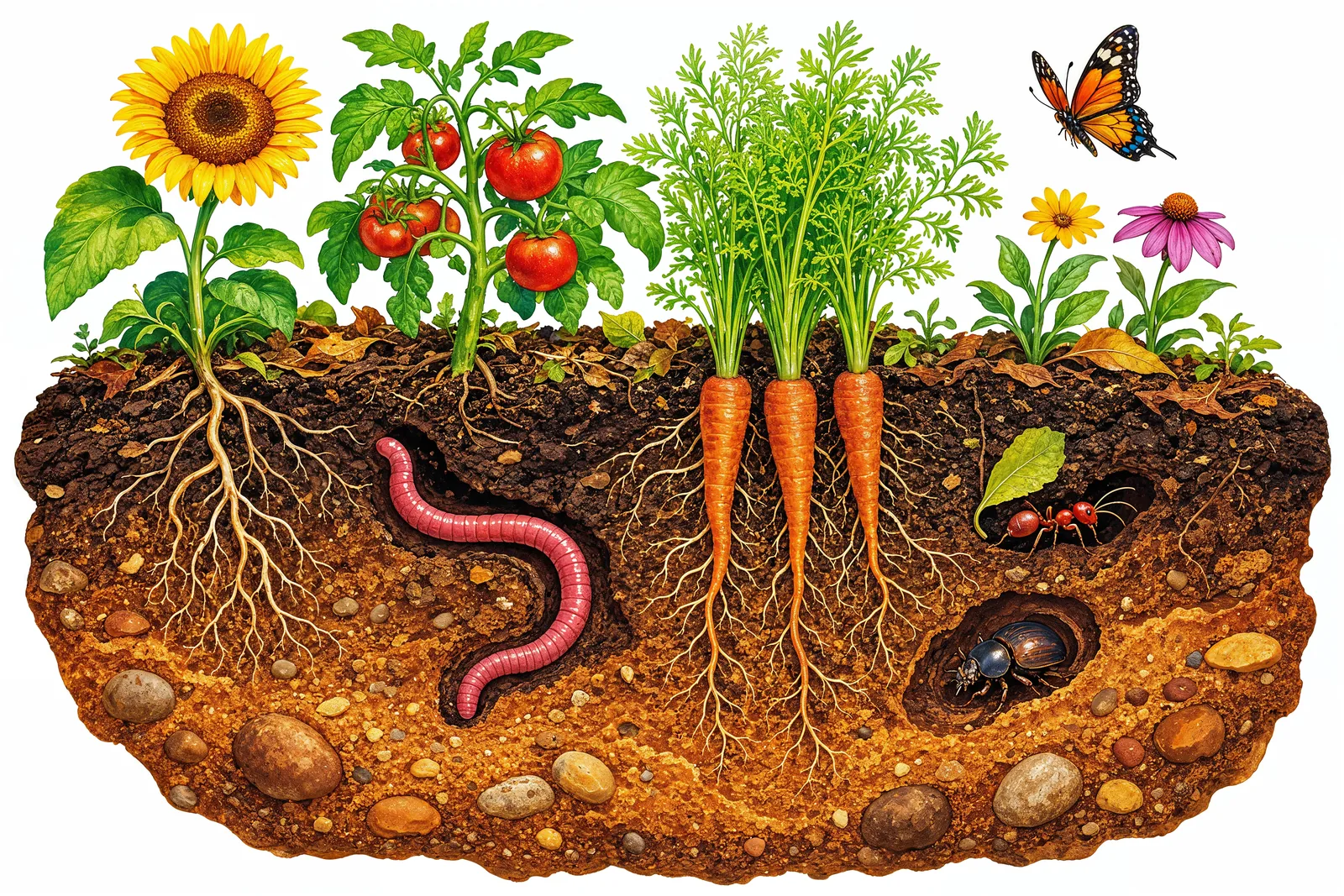
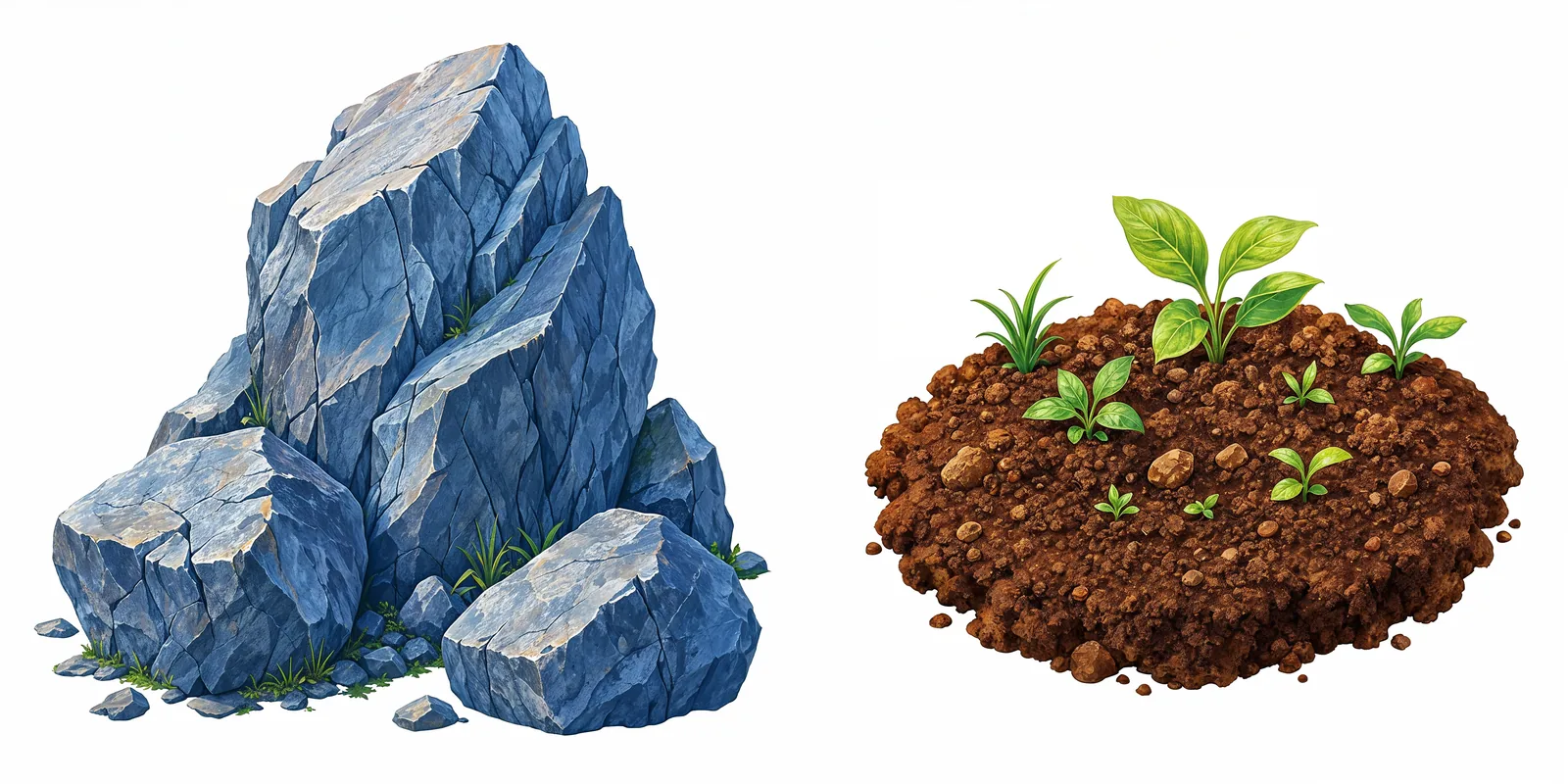
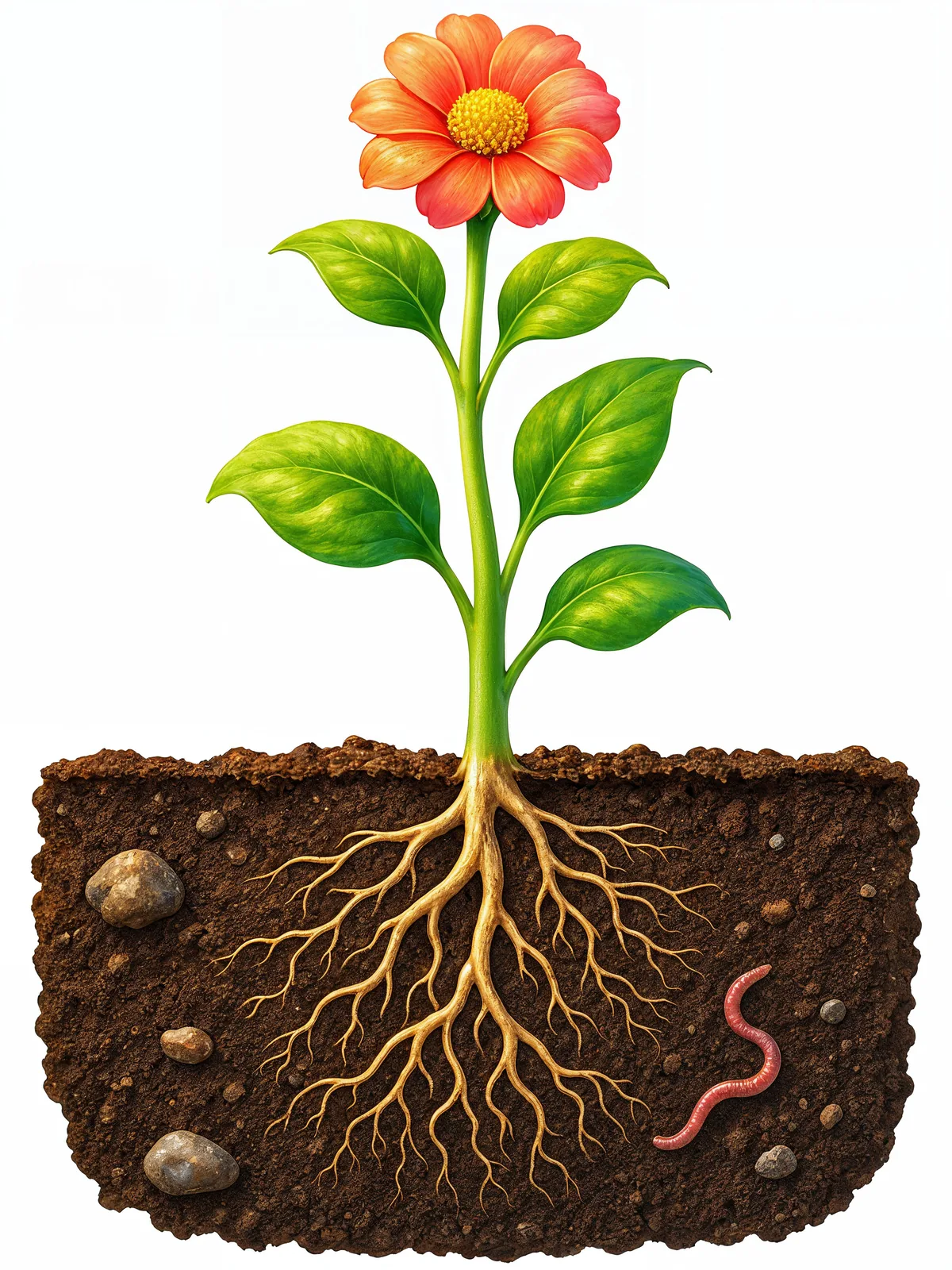
A cross-section of soil — roots, worms and life underground.
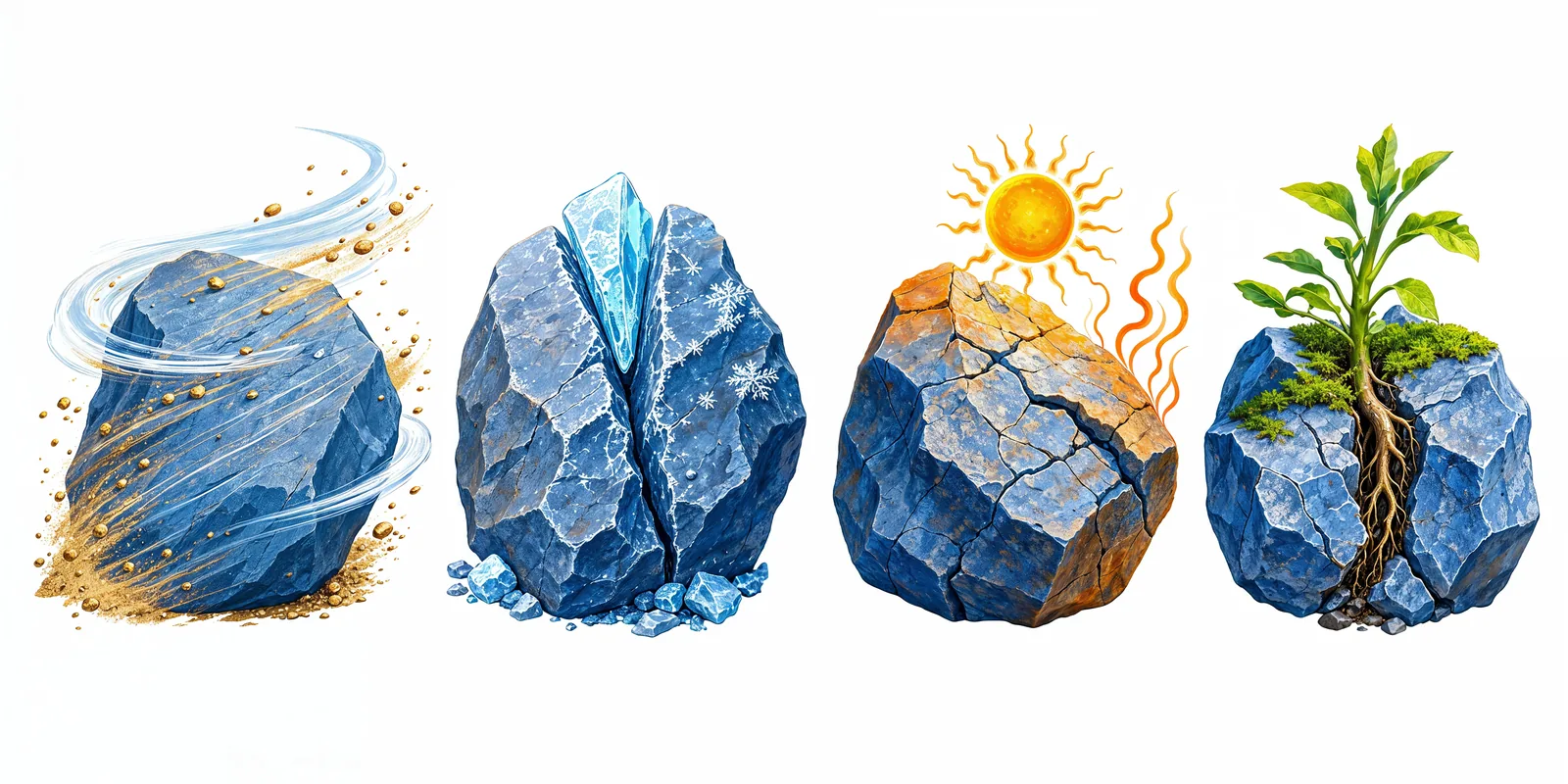
How hard rock slowly becomes rich soil.
Wind, water and heat break rocks down over time.
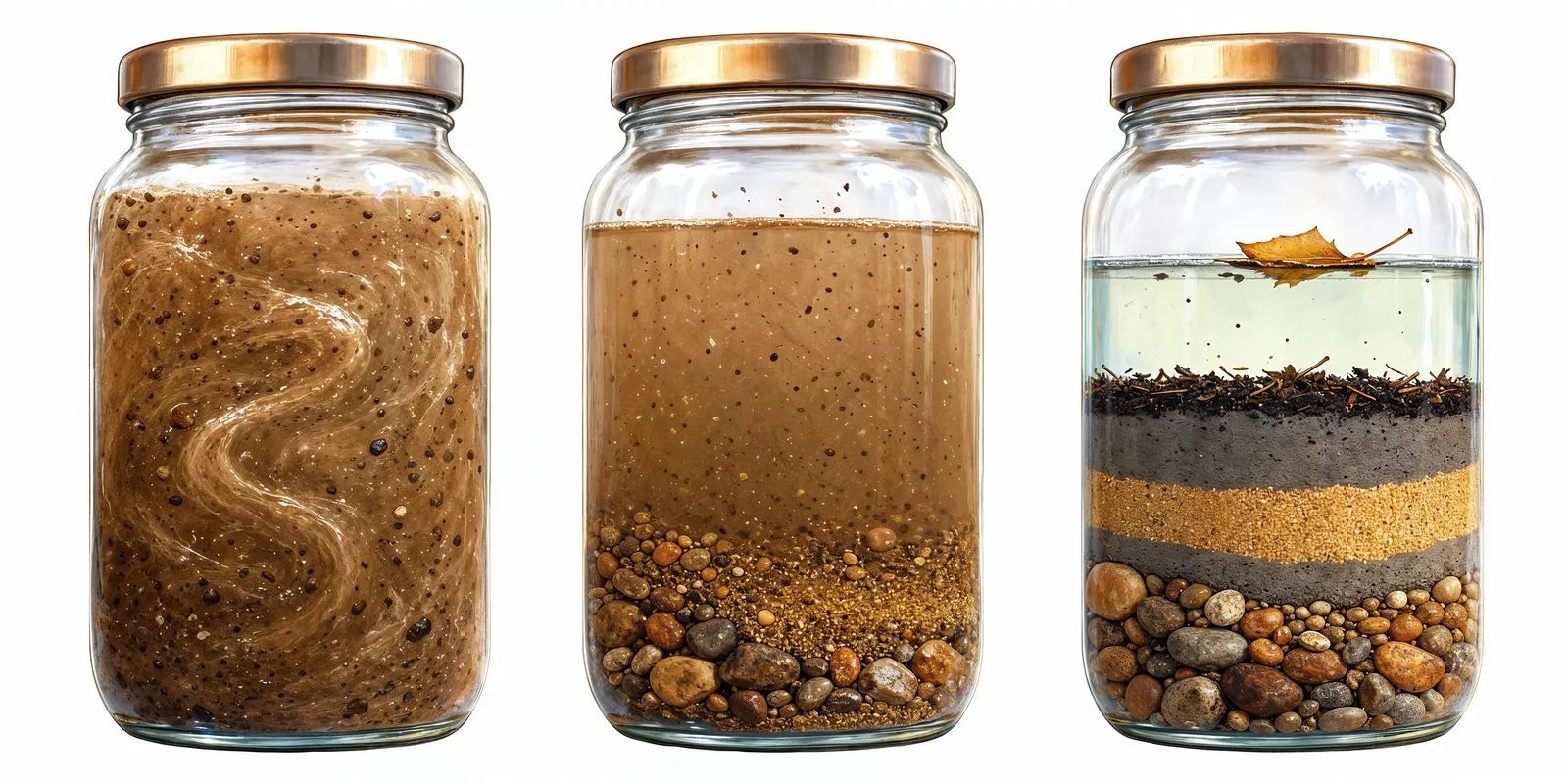
A jar test reveals the layers that make up soil.
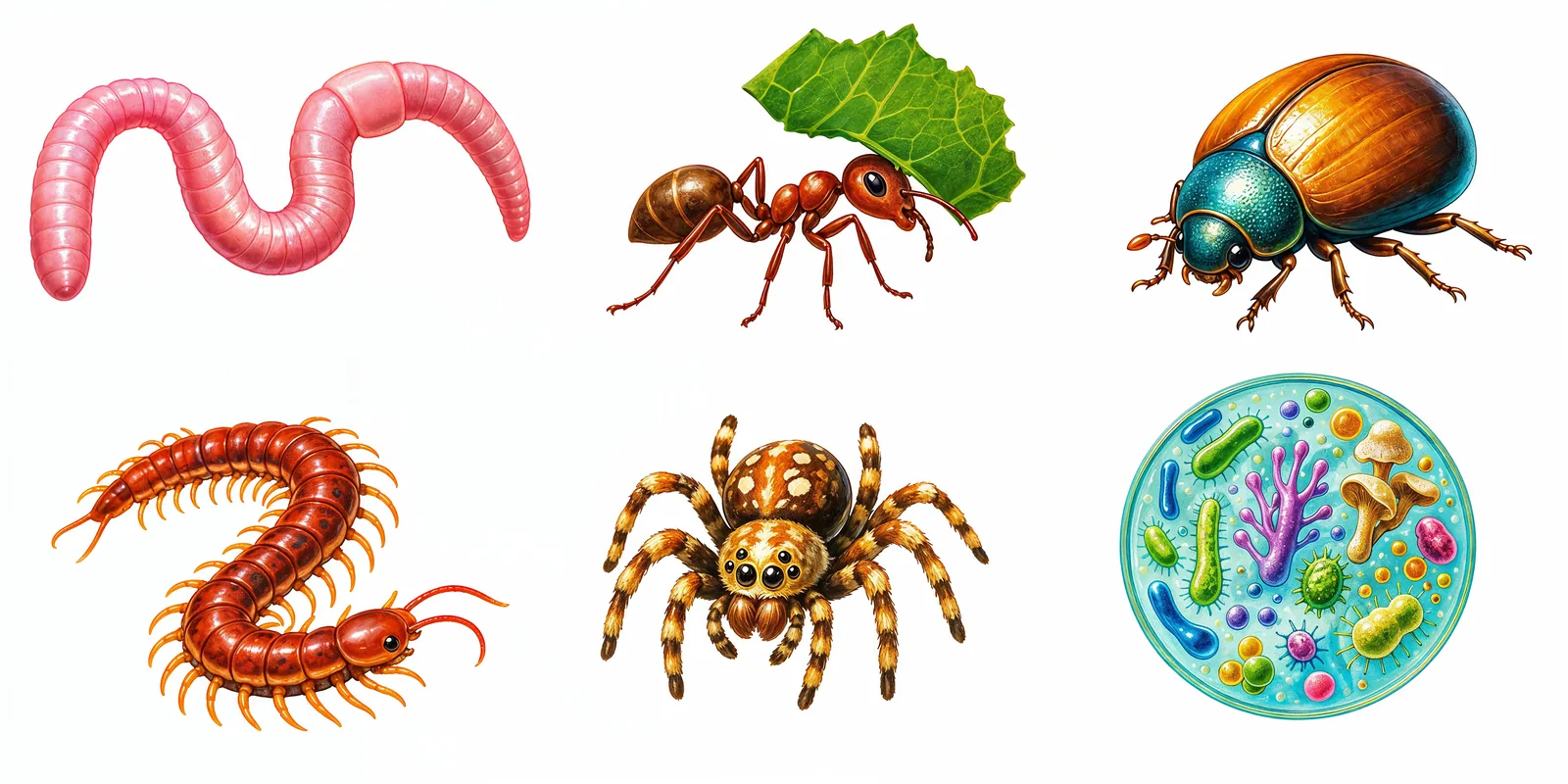
The tiny creatures that live and work in the soil.
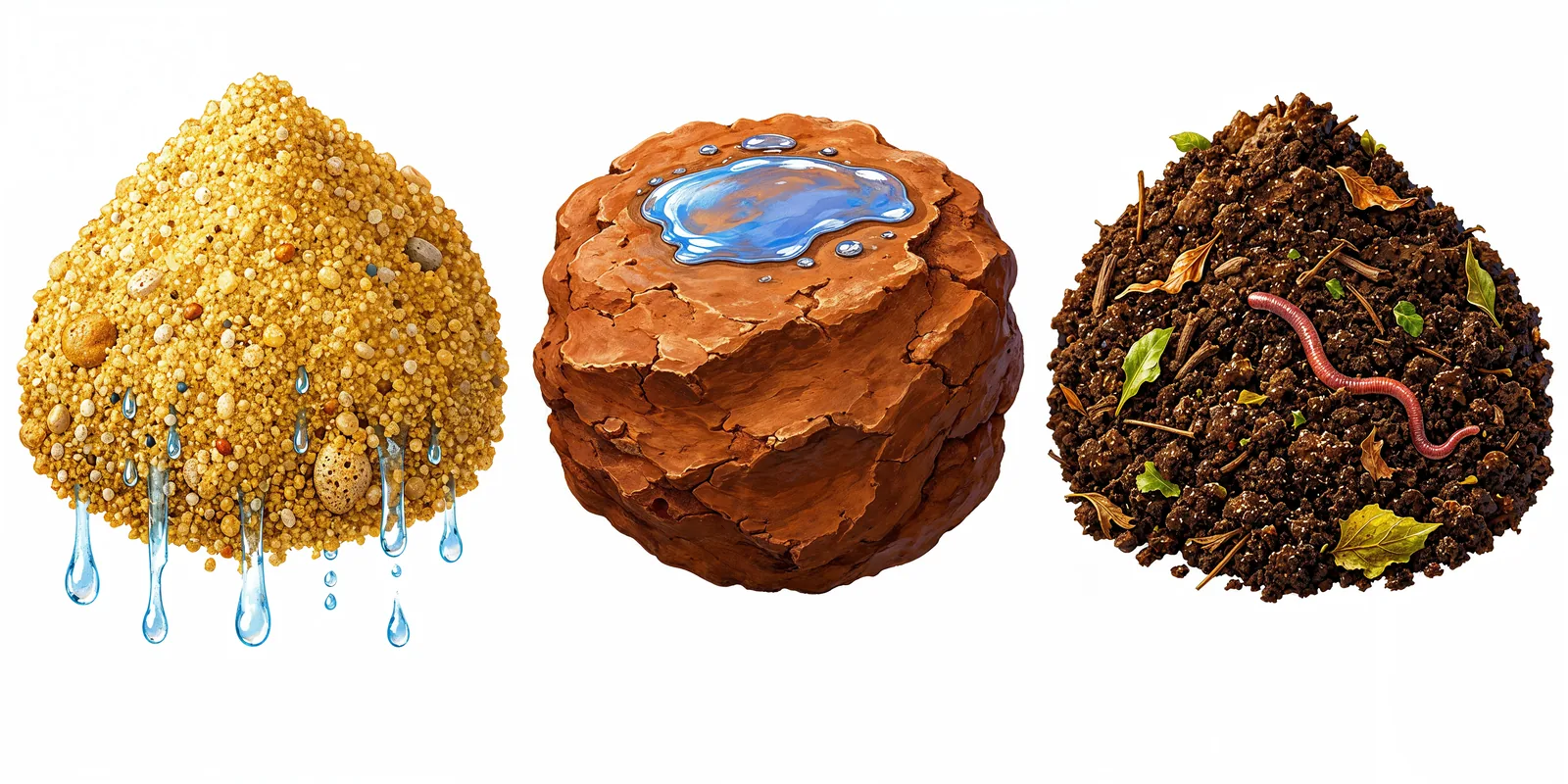
Three types of soil — sandy, clayey and loamy.
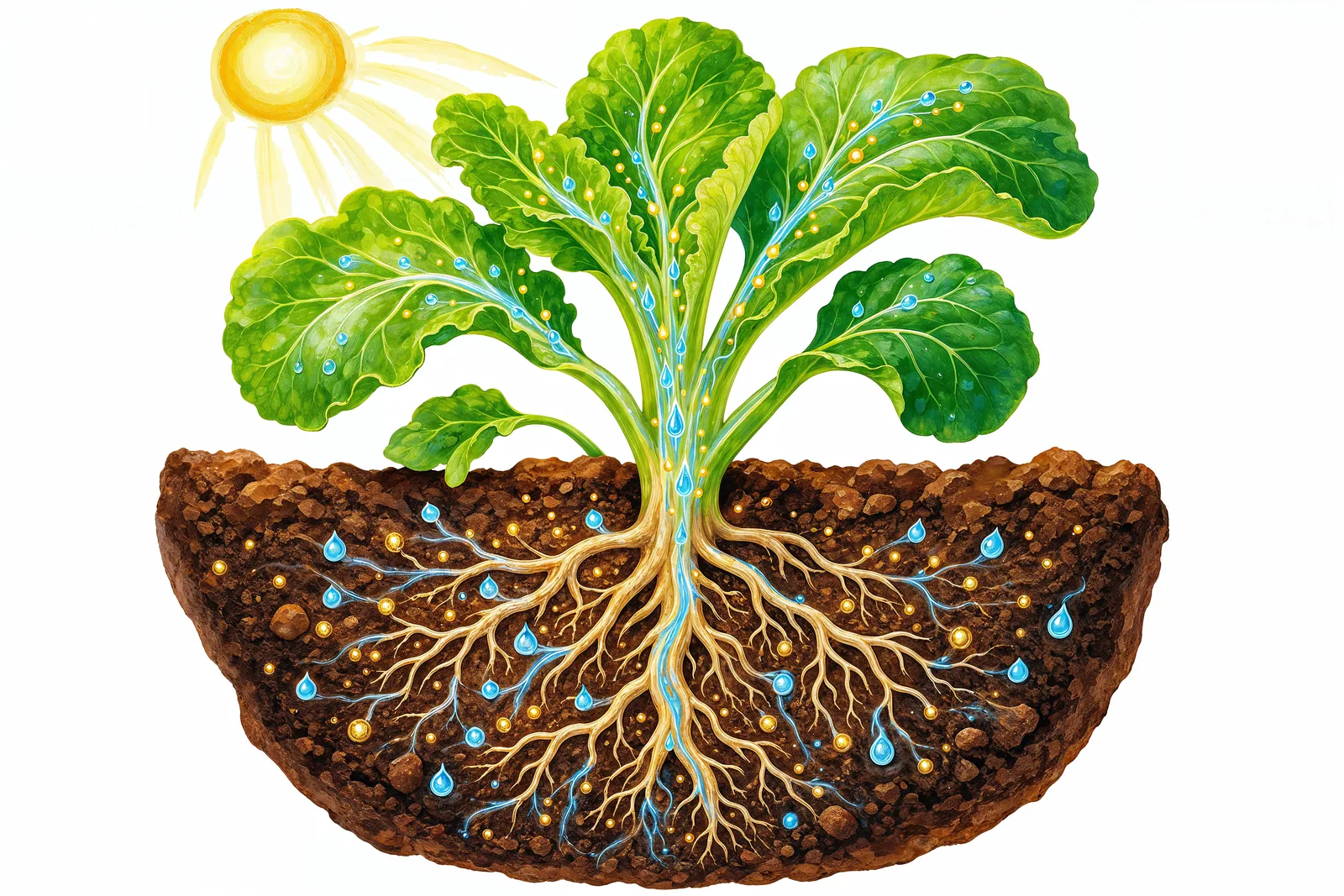
How roots drink up water and nutrients from the soil.
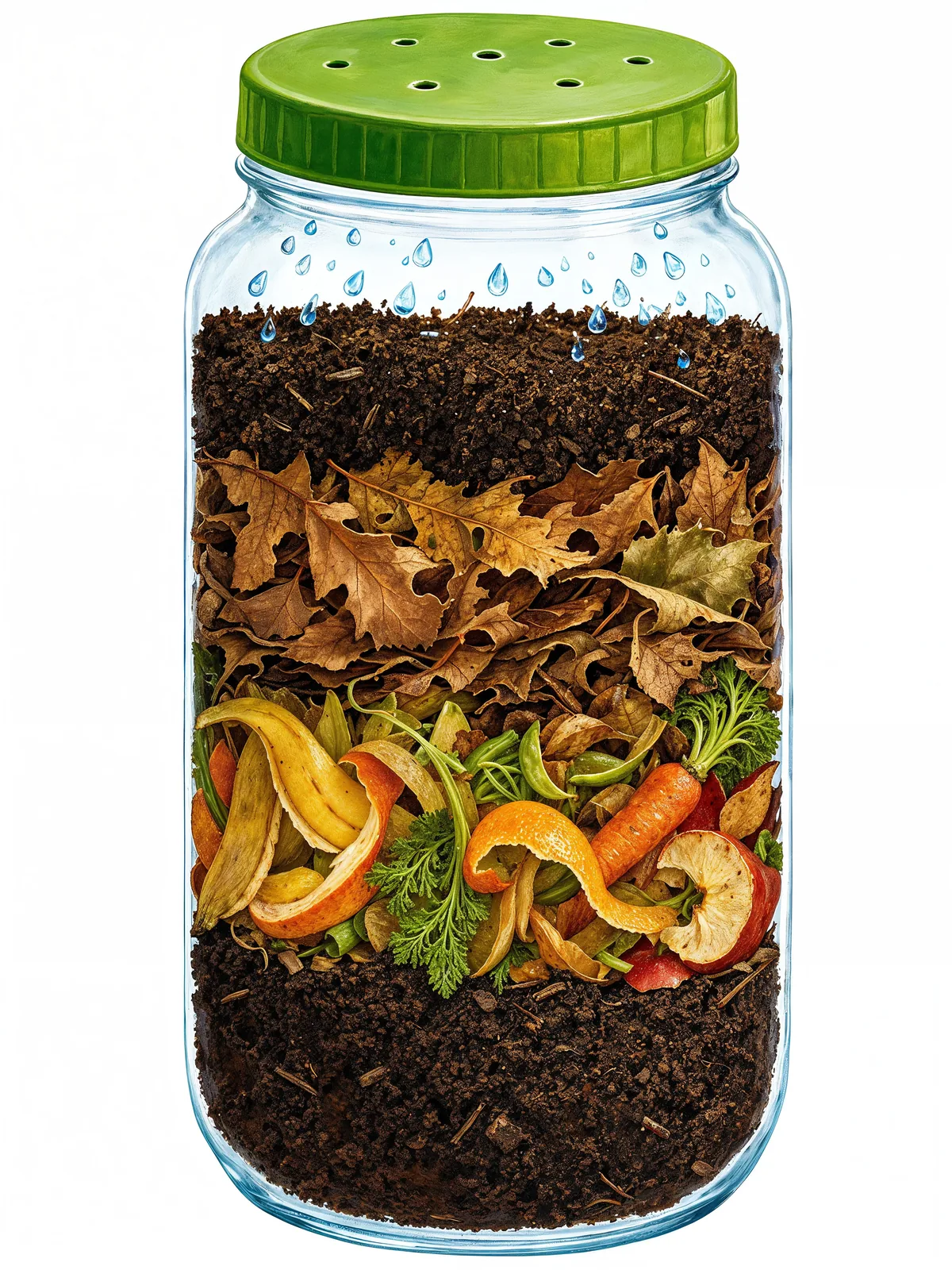
Making compost — turning waste into food for the soil.

Chapter 3 — The Earth, the Sky and Beyond
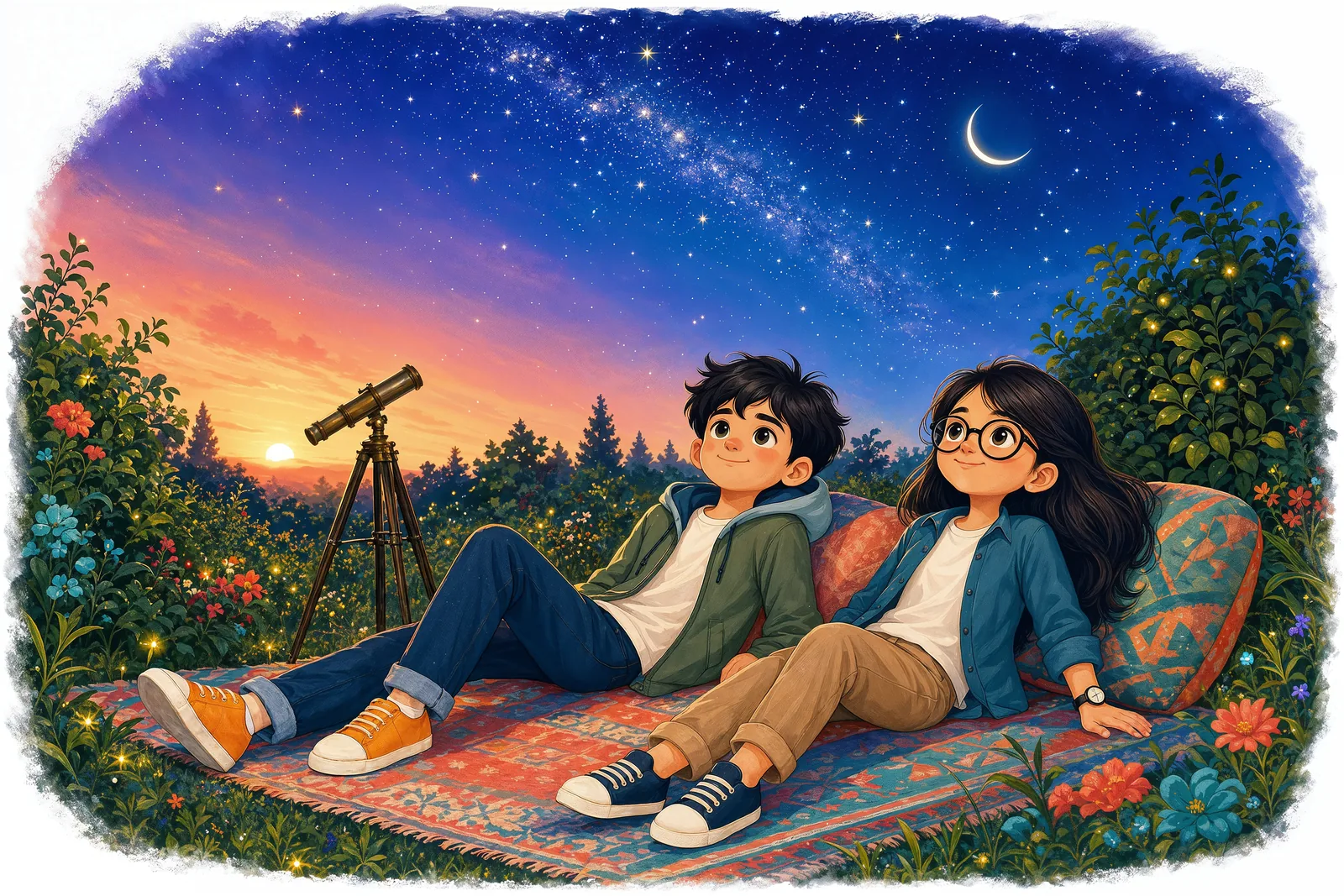
Stargazing at dusk — the wonder that opens the study of the sky.
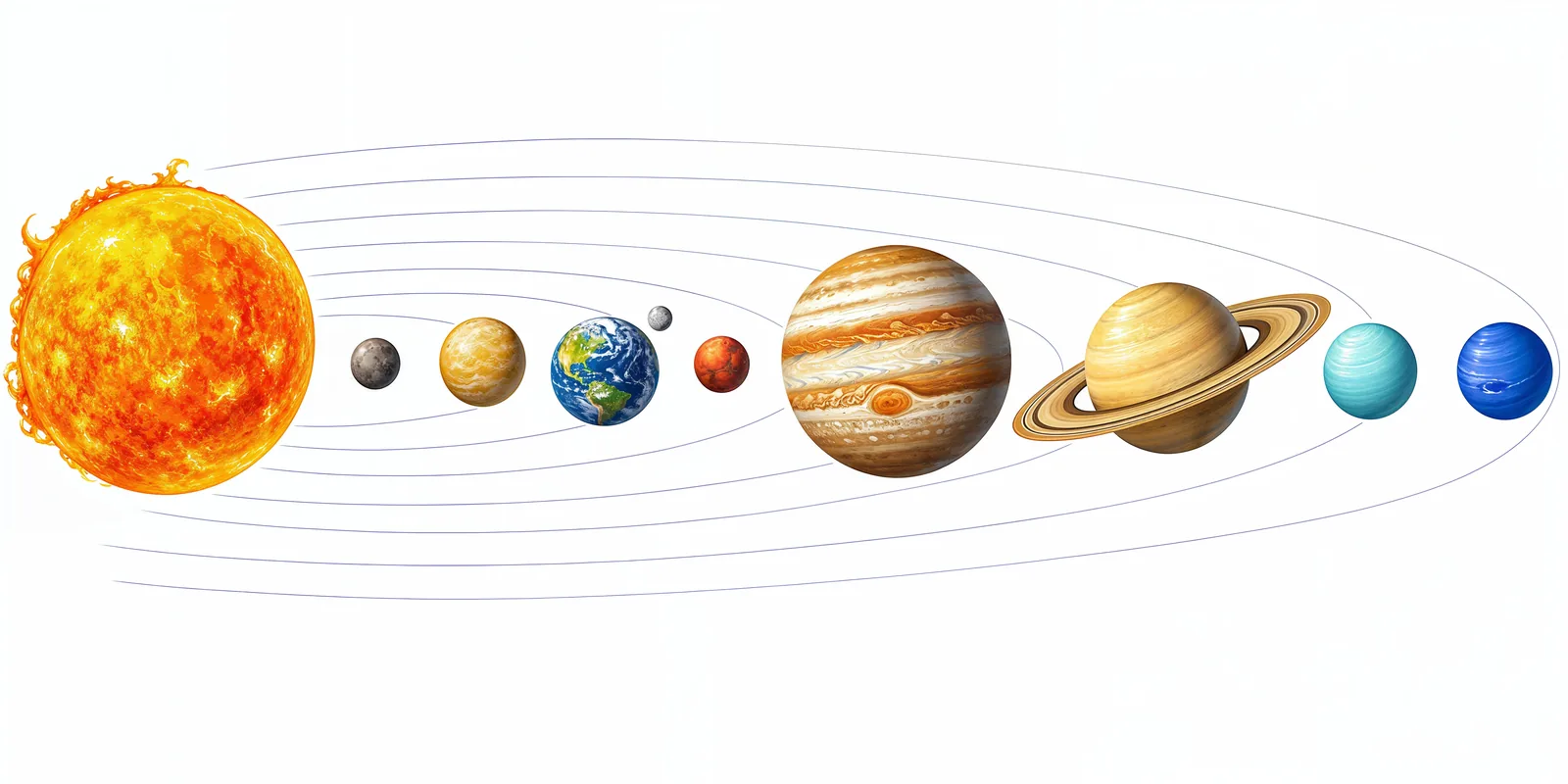
The solar system — the Sun and its family of planets.
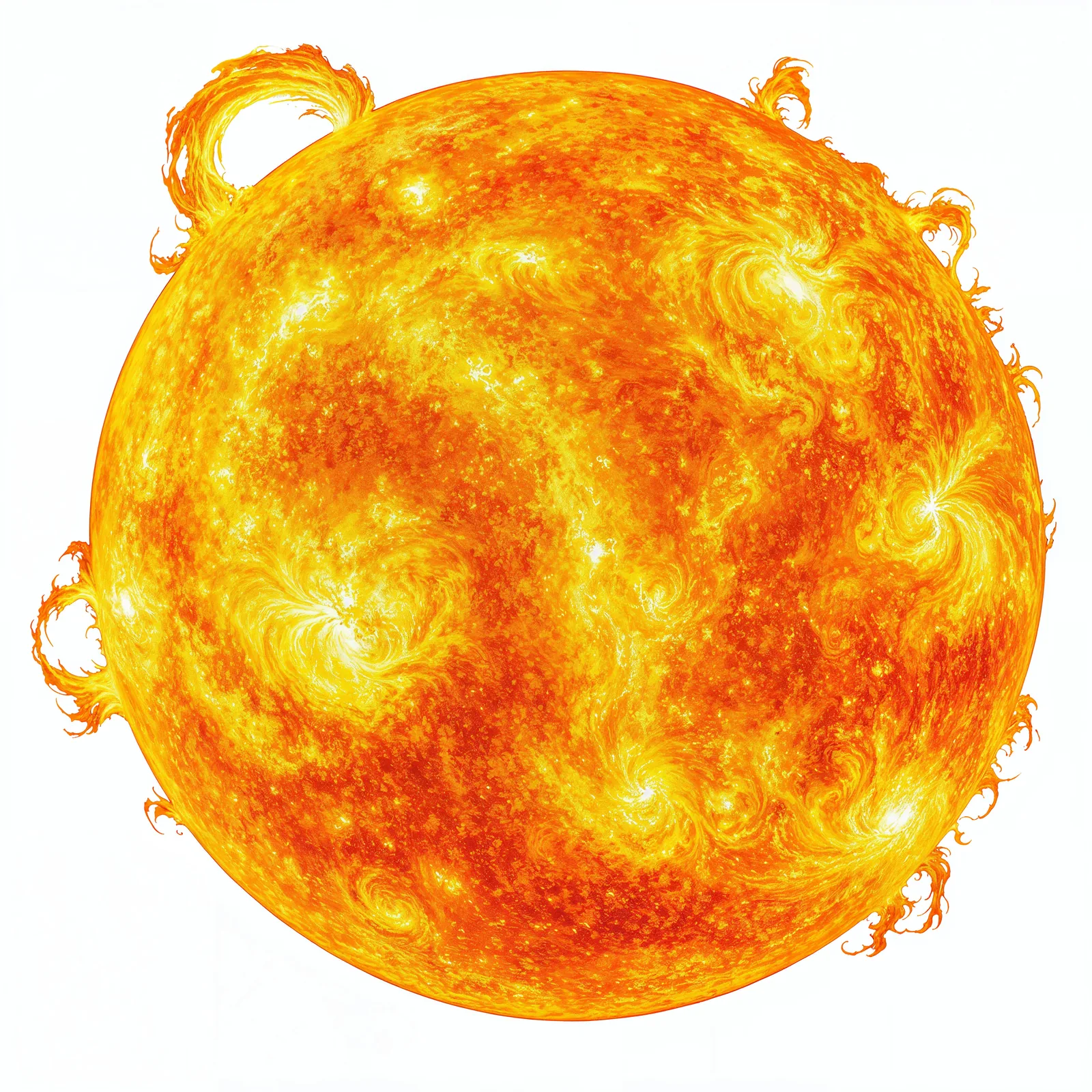
The Sun — our nearest star, a giant ball of burning gas.
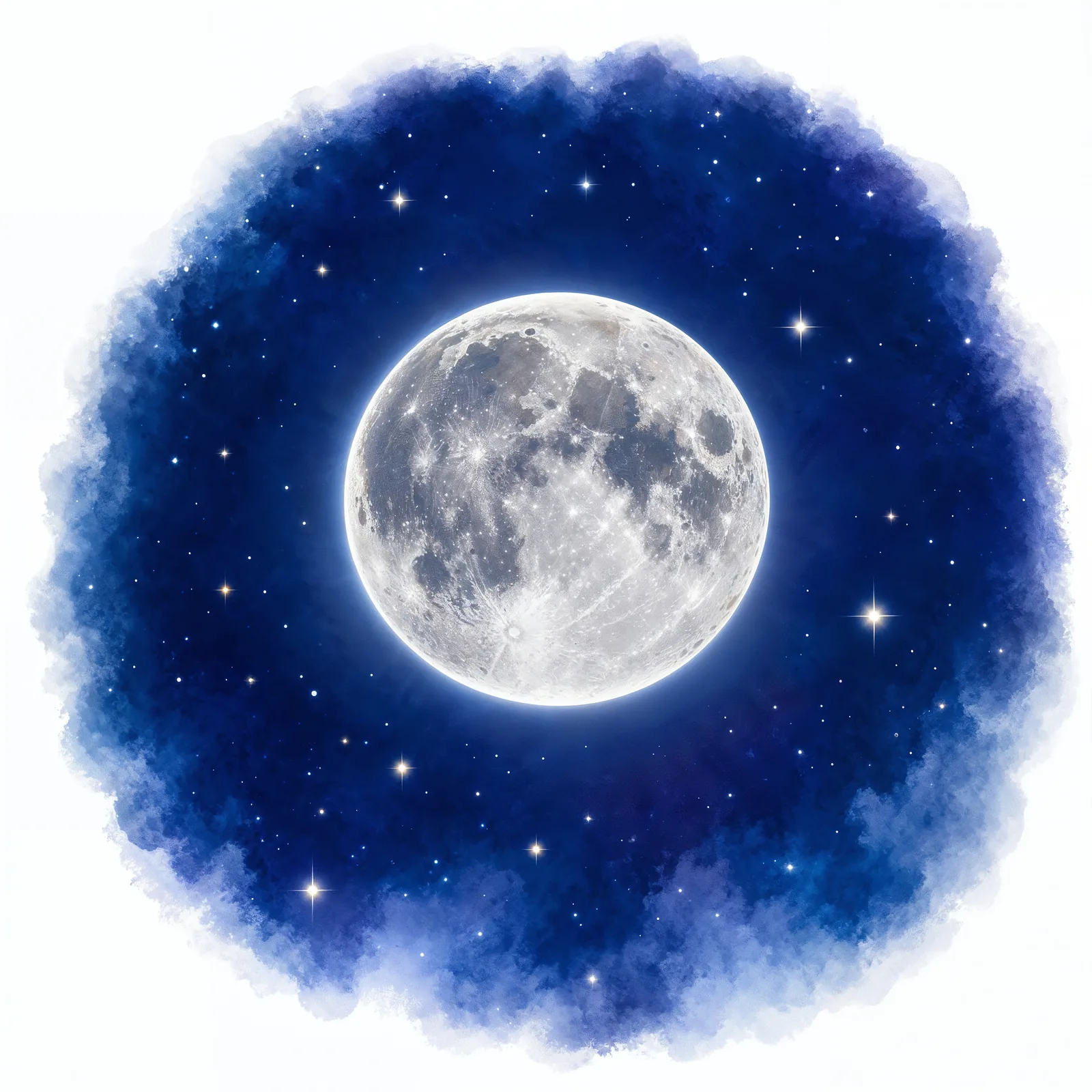
The Moon — Earth's companion, glowing in the night sky.
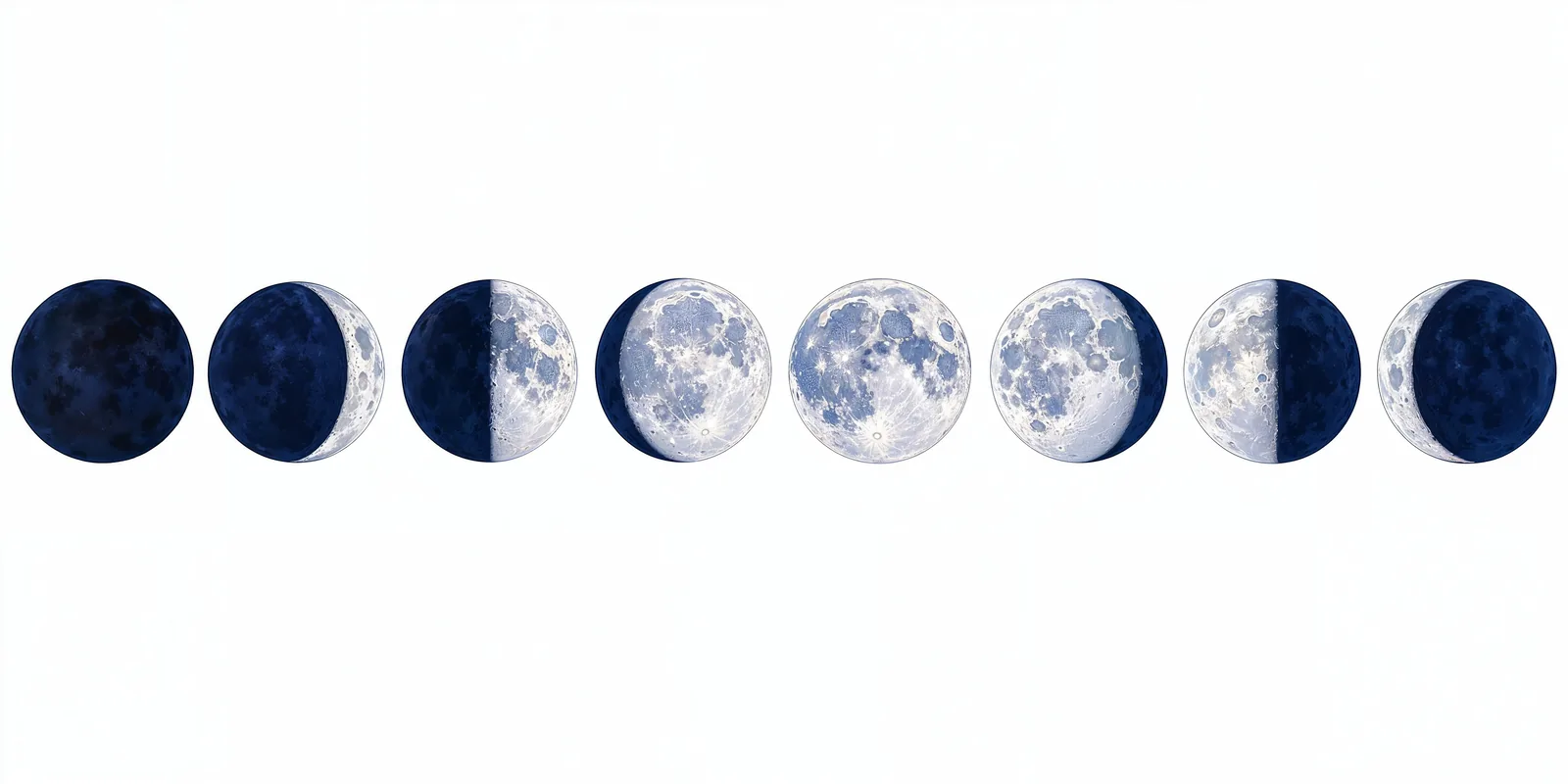
The phases of the Moon, from new to full and back.
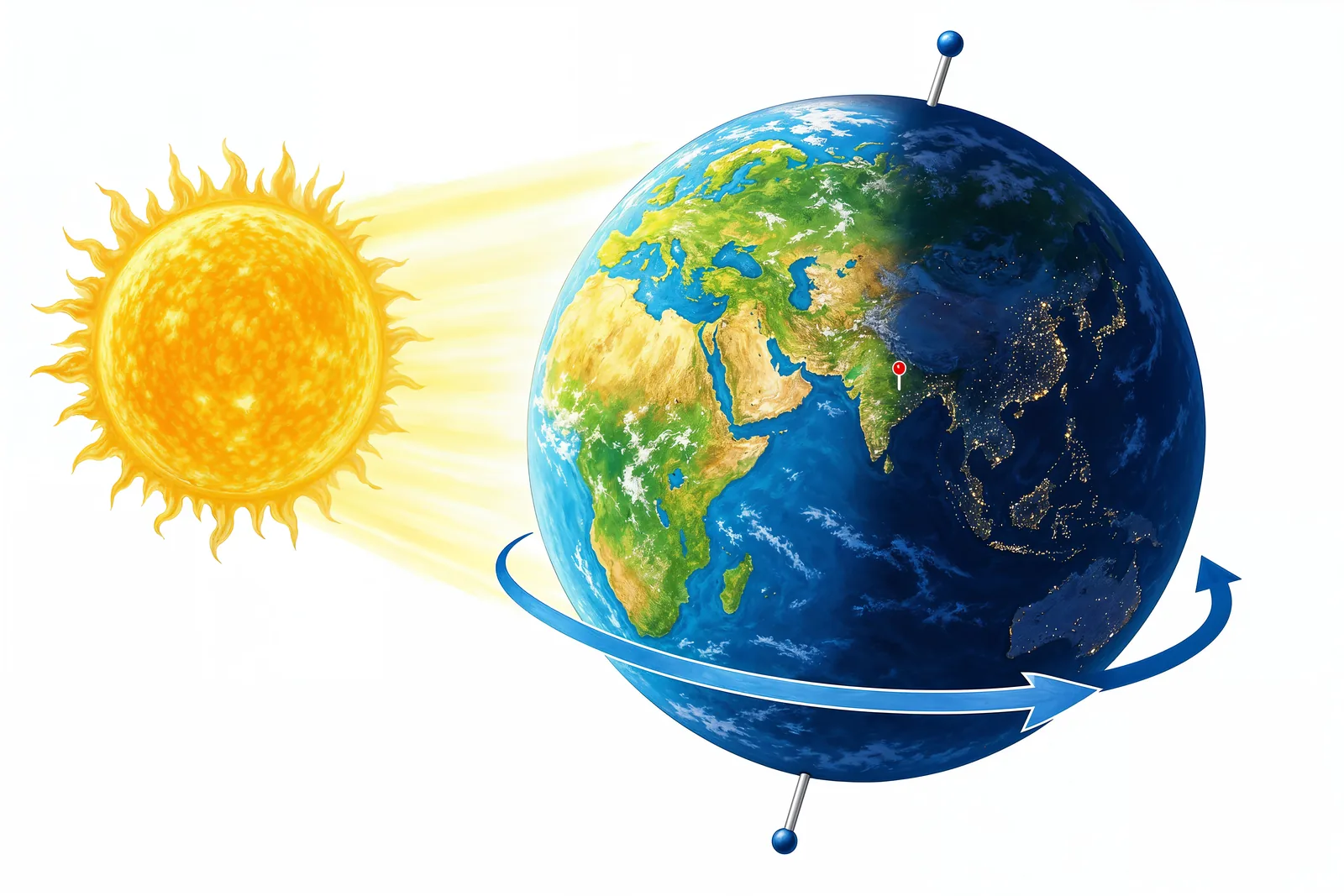
Earth spins on its axis, giving us day and night.
Aryabhata, the ancient Indian astronomer, studying the heavens.
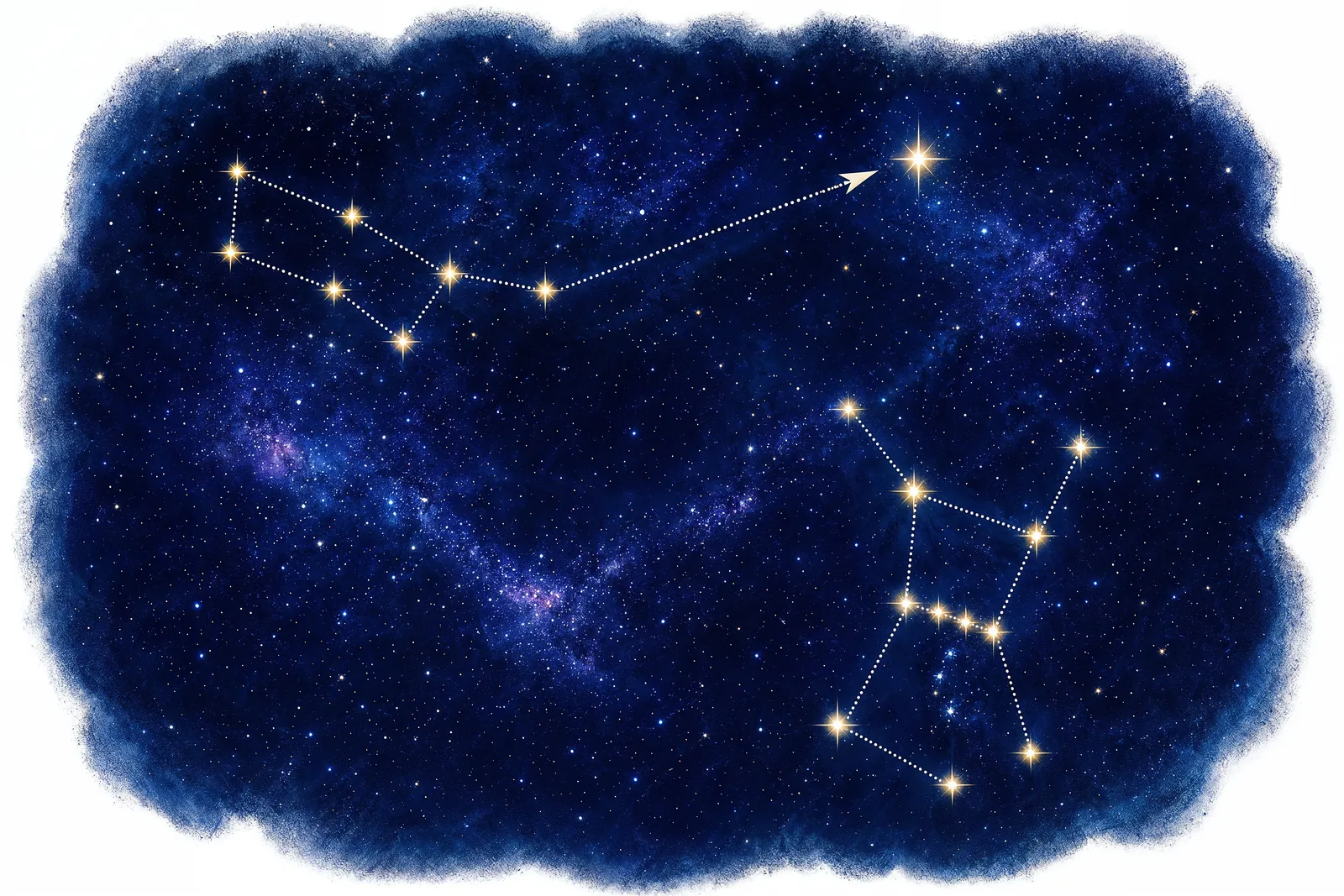
Constellations — patterns the stars make across the night sky.

Chapter 4 — Where Do Animals Live?
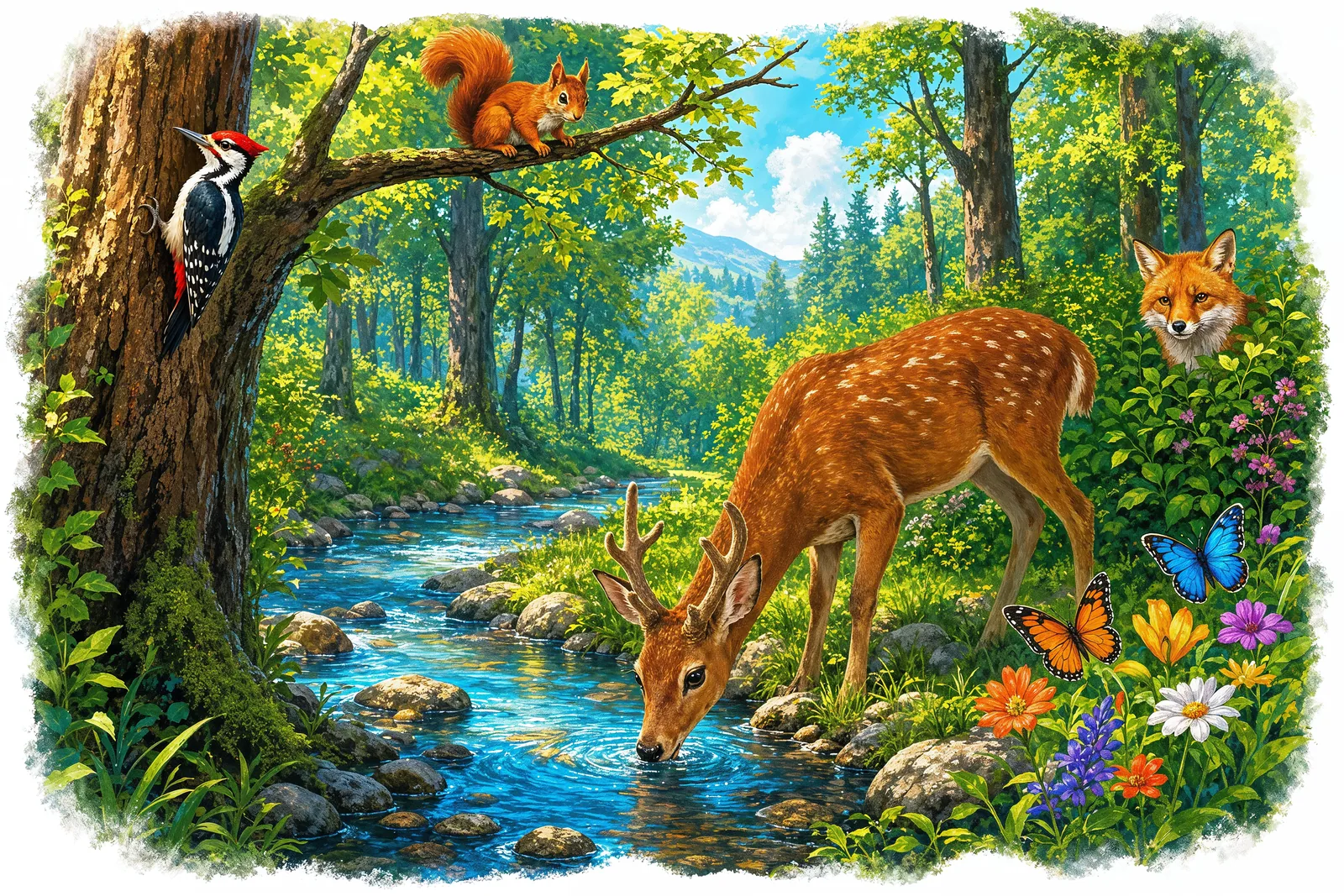
A forest habitat, alive with creatures big and small.
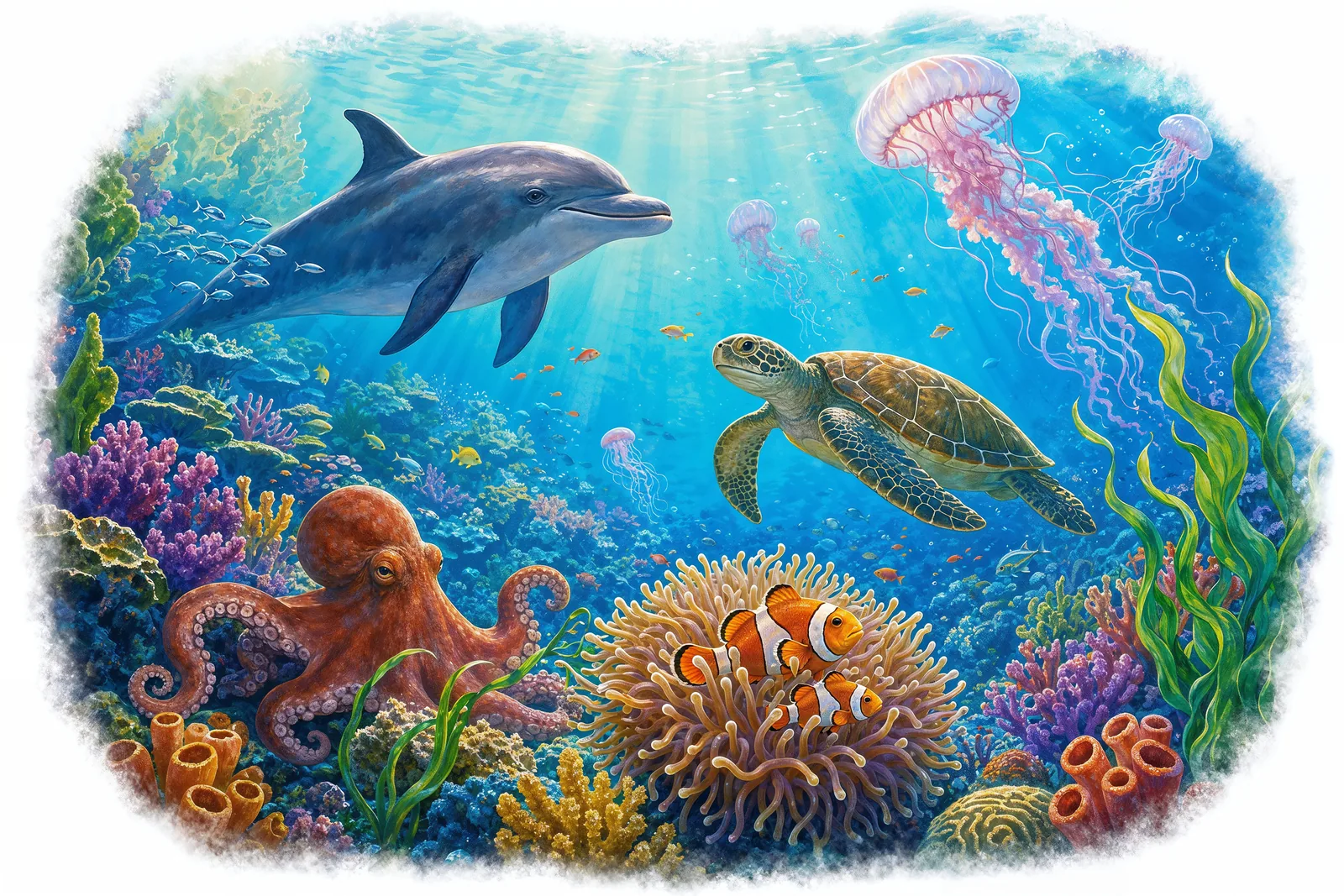
The colourful world of an ocean coral reef.
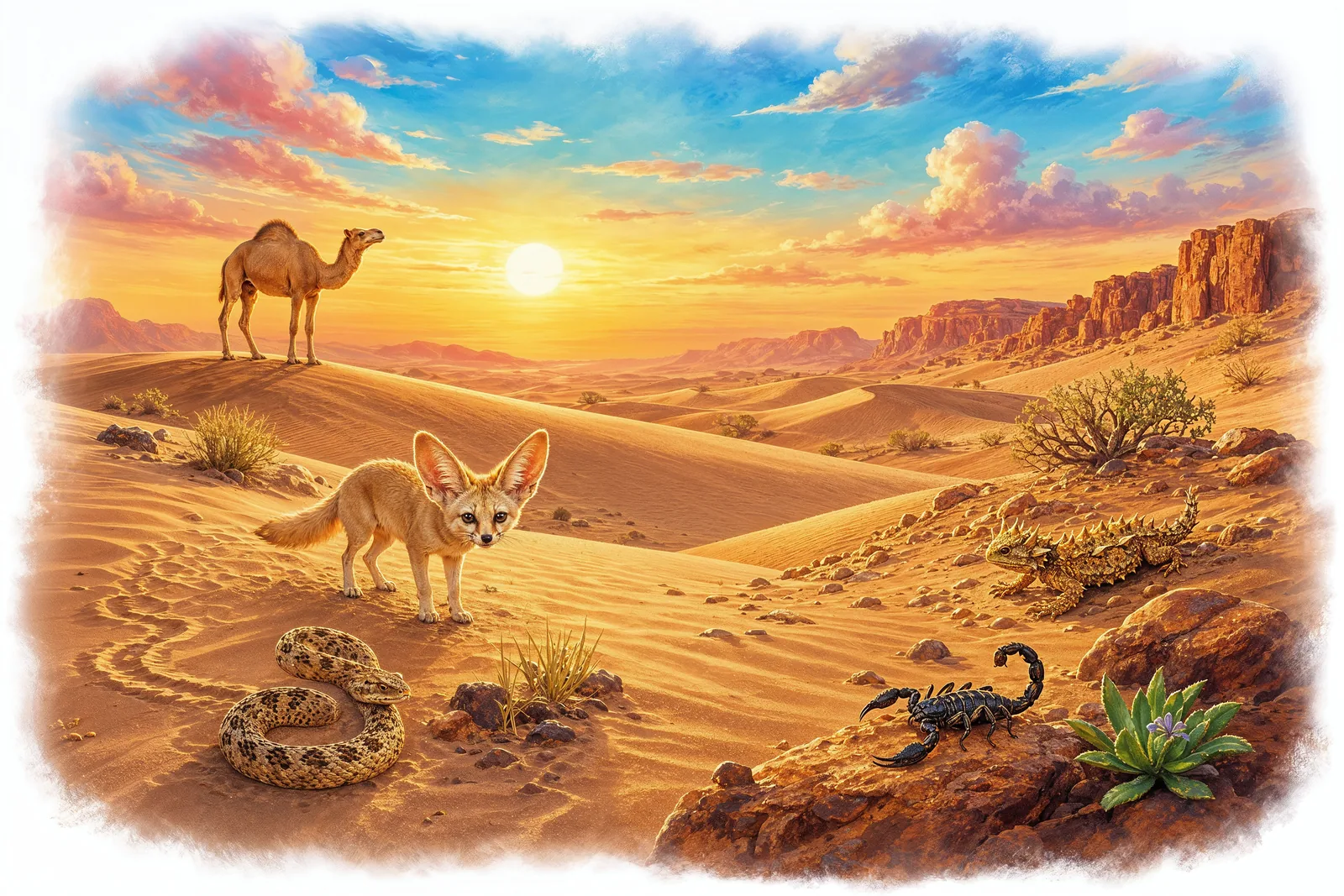
The desert at sunset — home to animals built for heat.
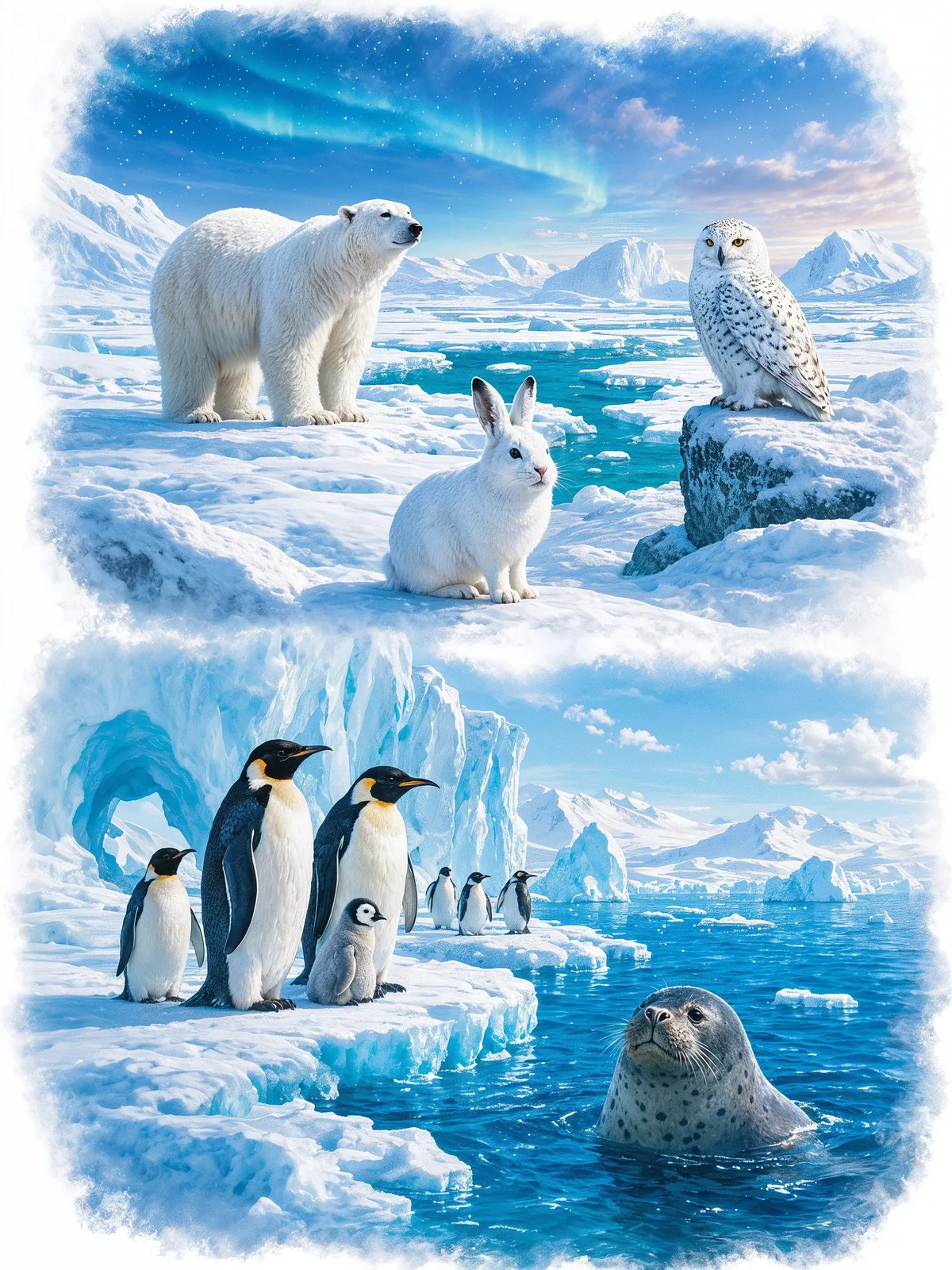
The icy polar habitat and the animals that thrive there.
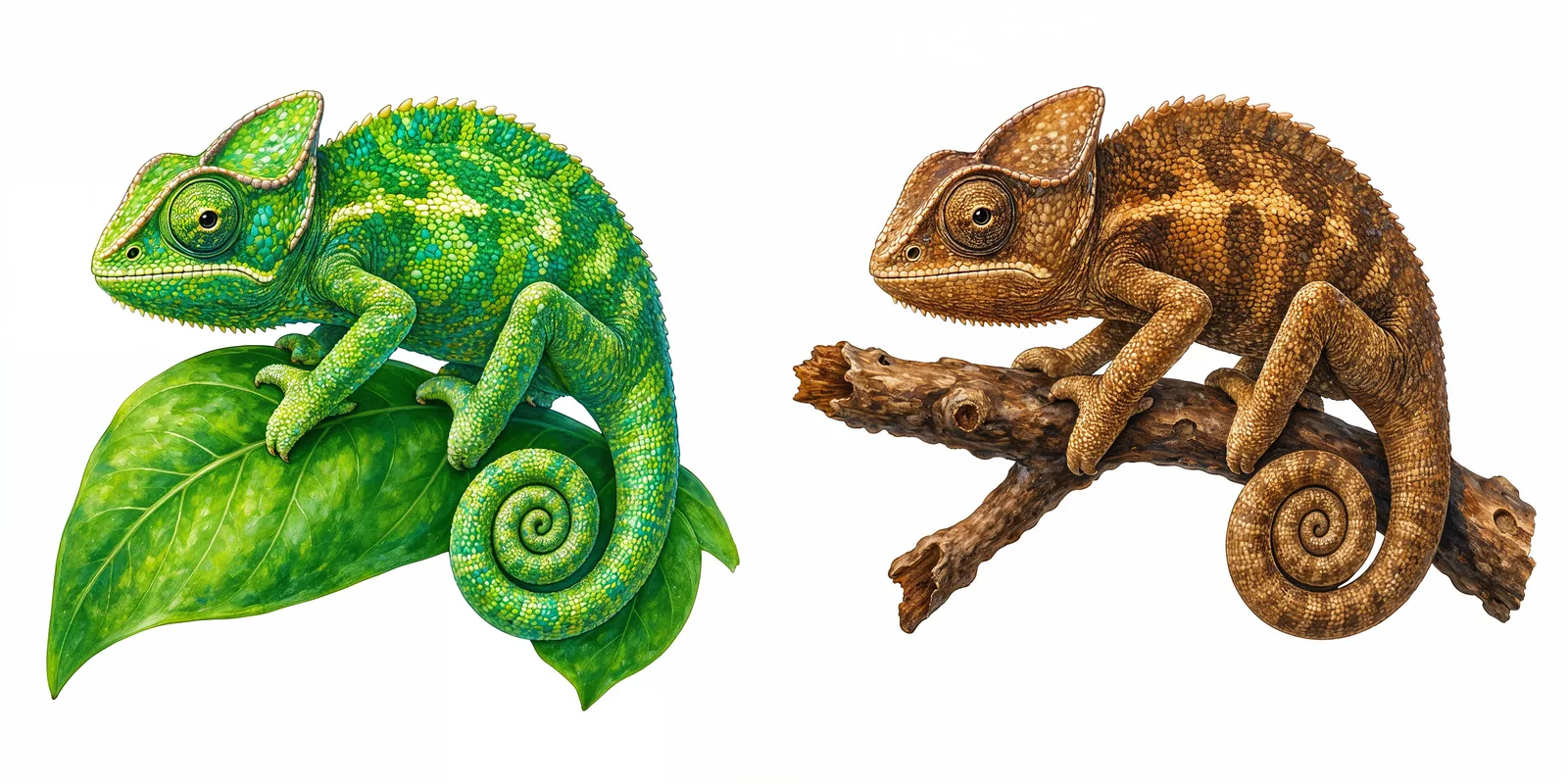
A chameleon blends in — camouflage as a survival trick.
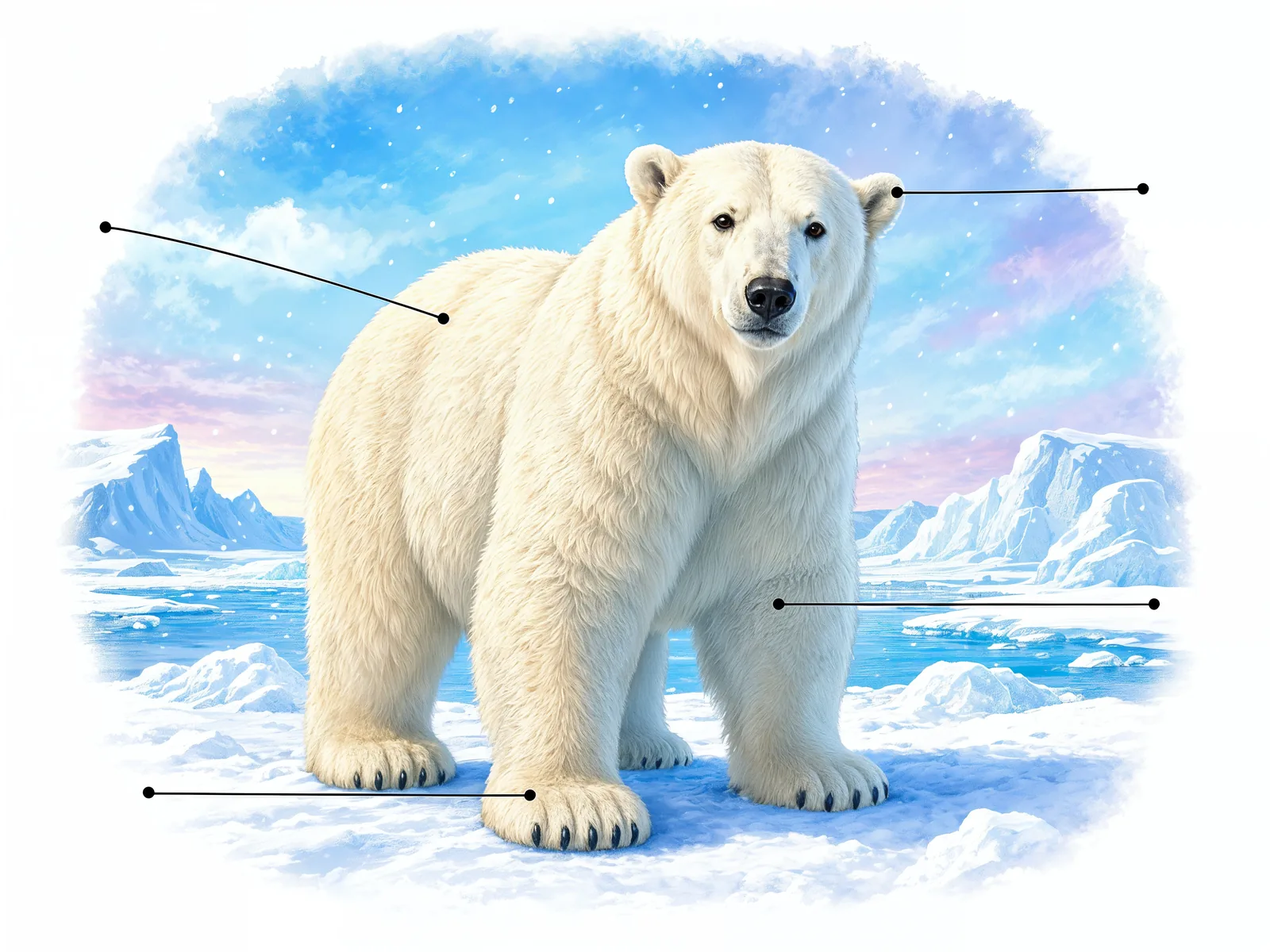
How a polar bear's body is adapted to the cold.
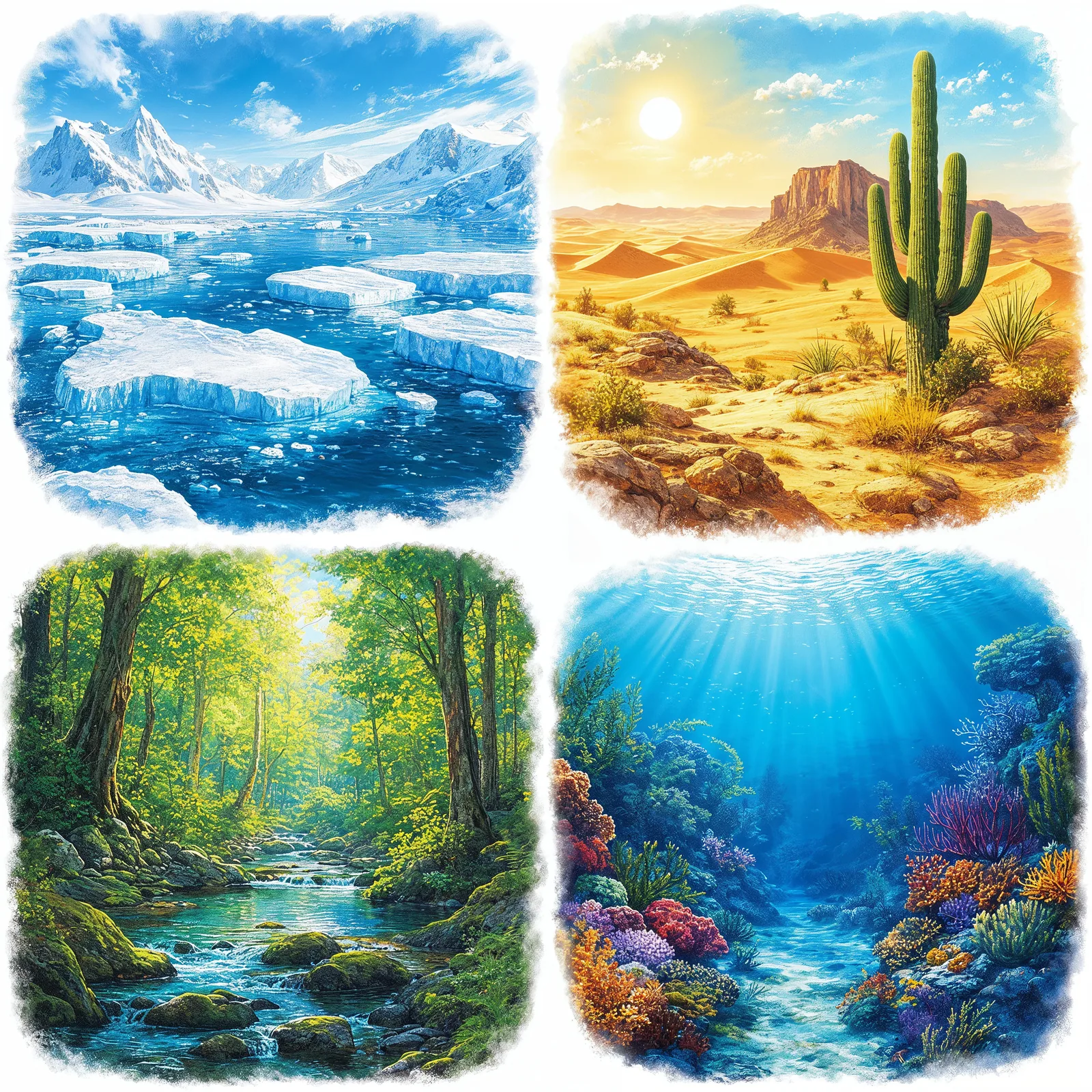
Four habitats compared — ice, desert, forest and sea.
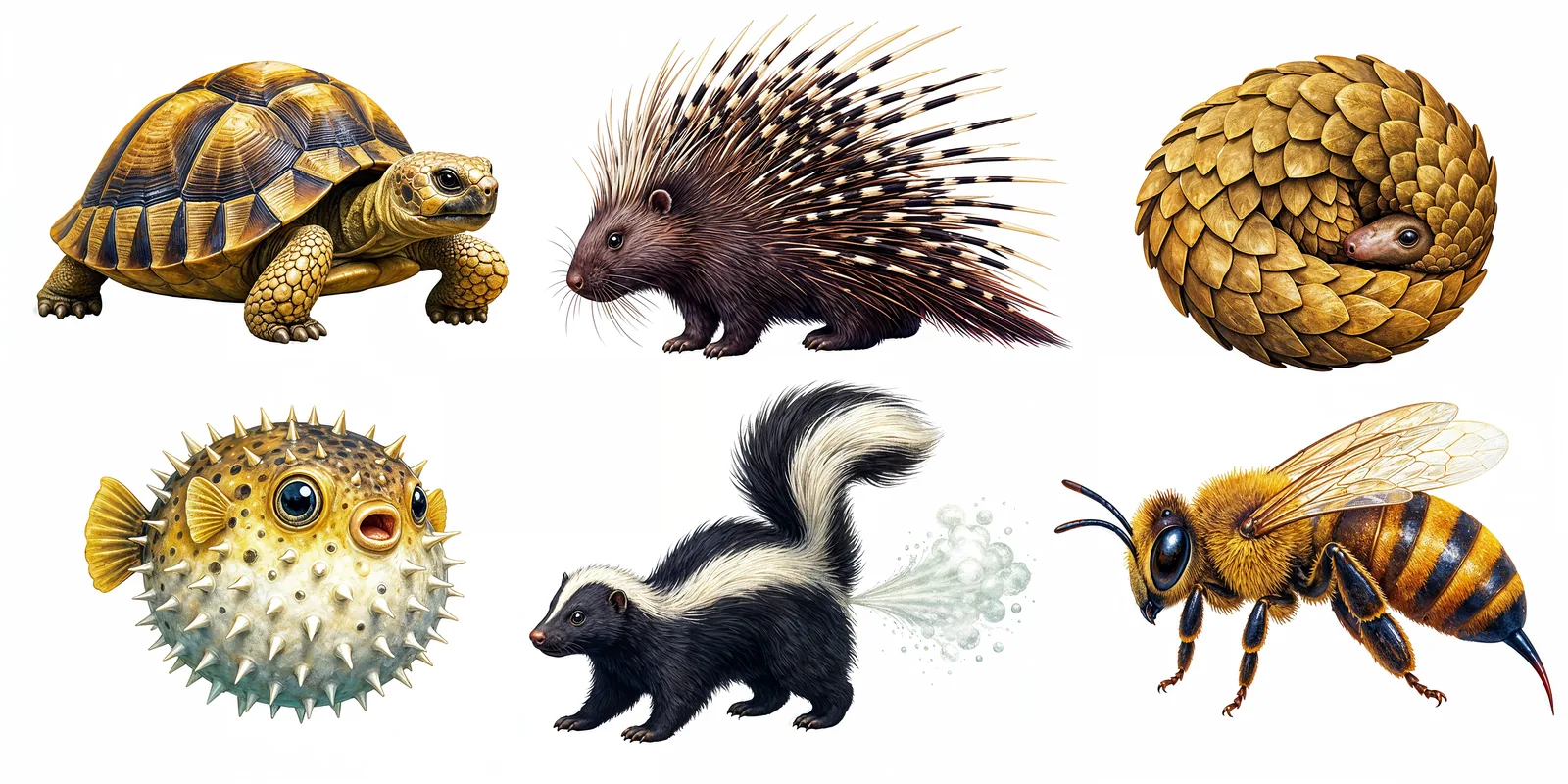
Body armour — shells, quills and scales that protect.

Chapter 5 — What Do Animals Eat?
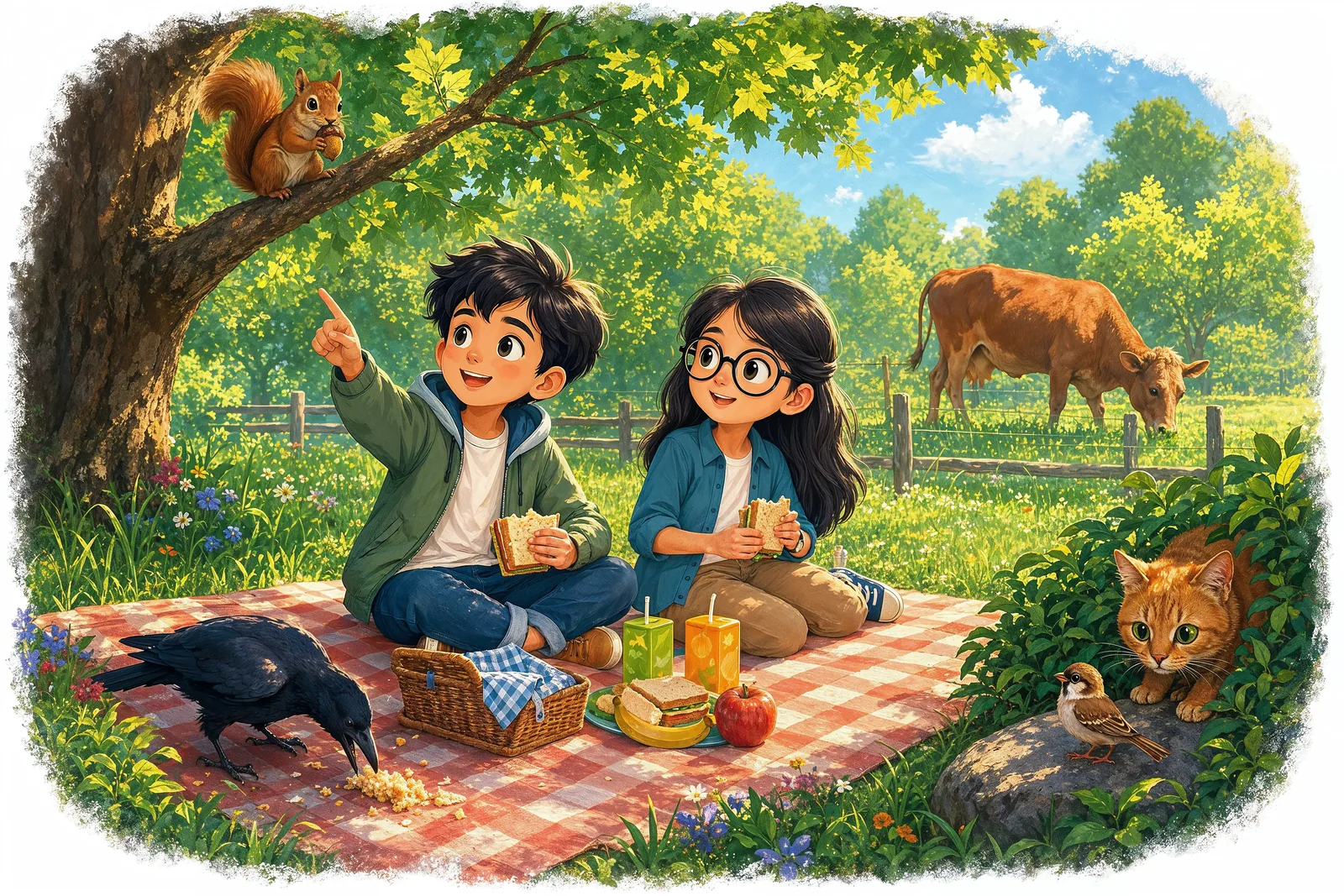
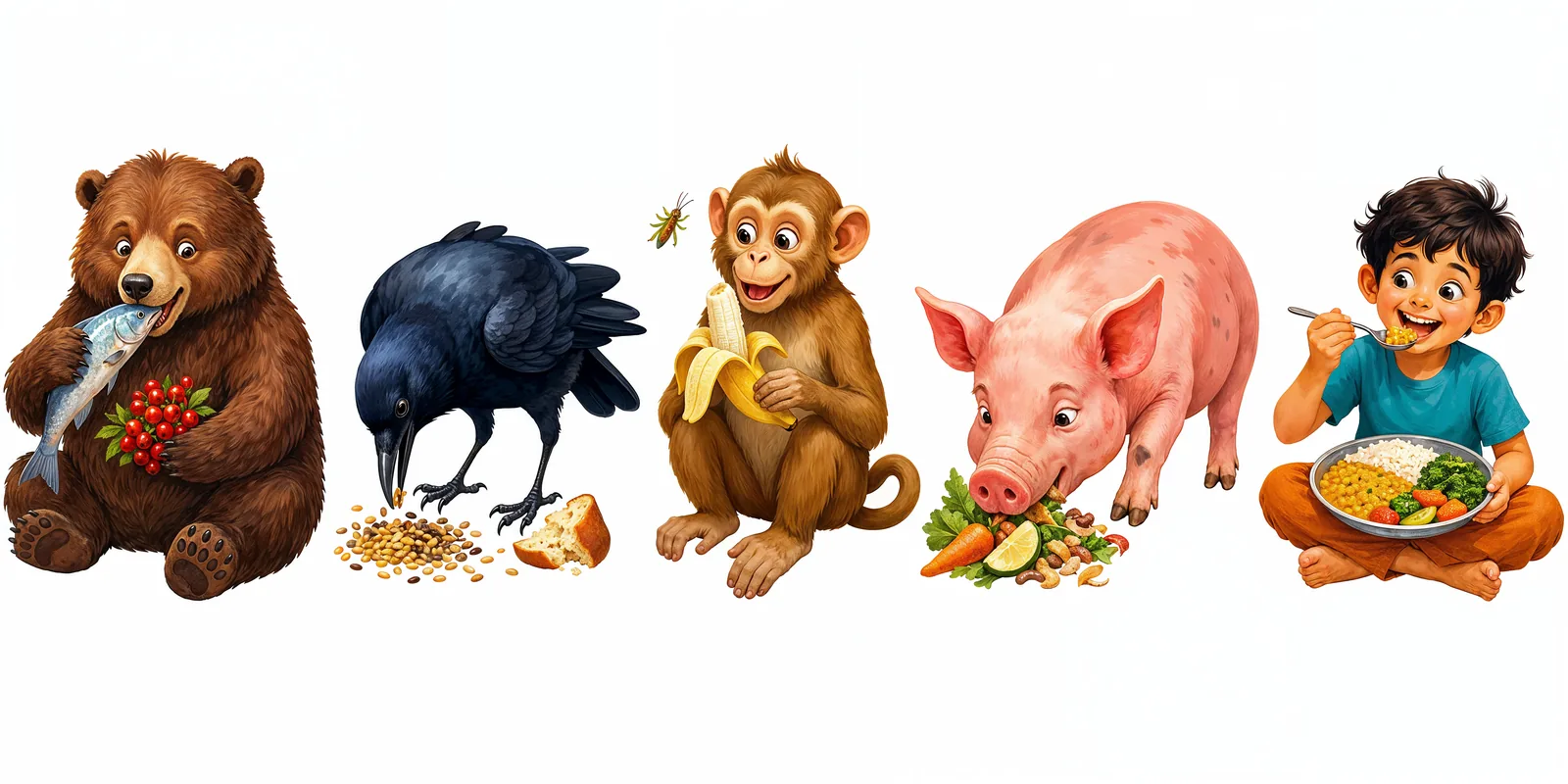
A picnic in nature, surrounded by animals big and small.
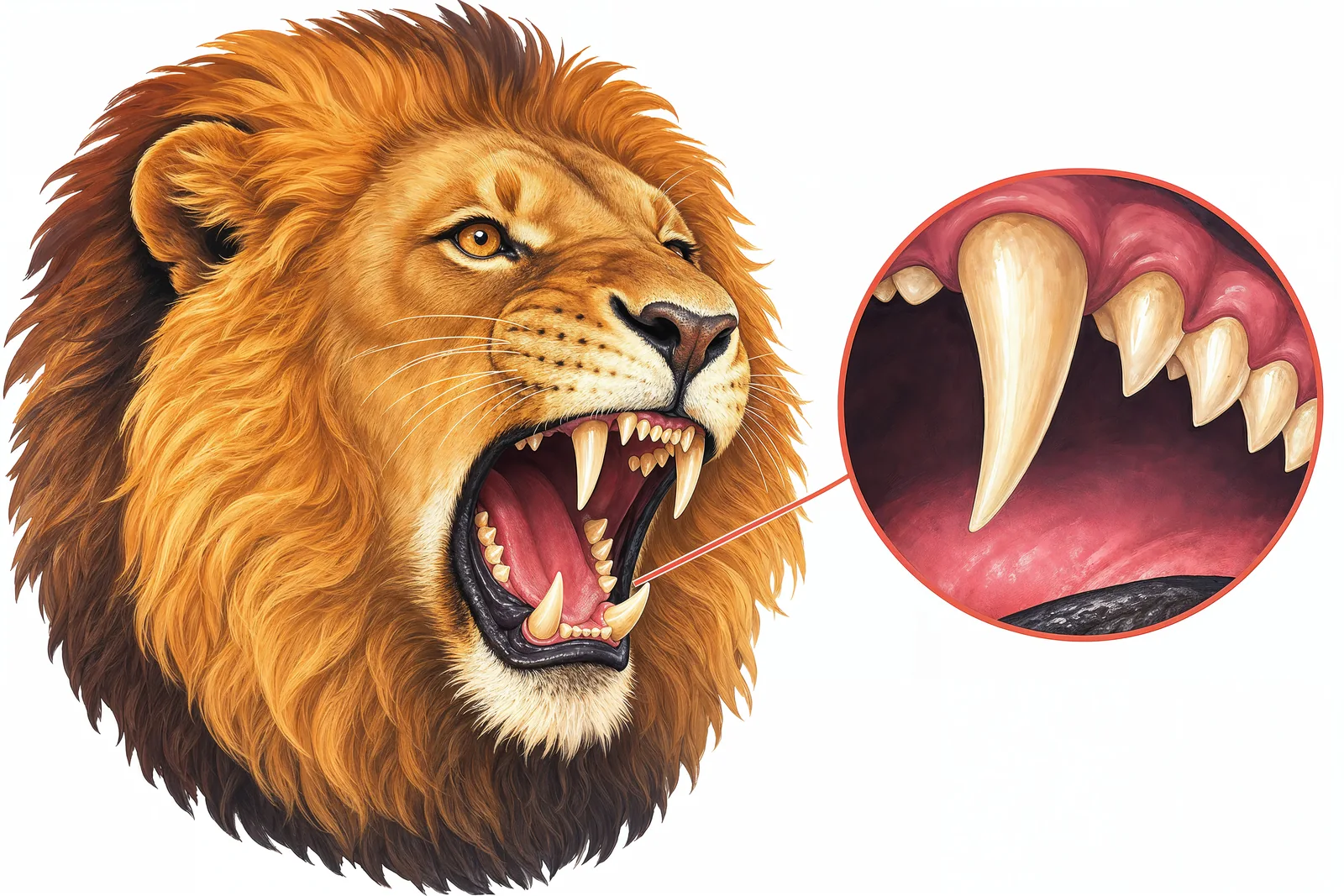
A lion's sharp teeth — built for eating meat.
Different beaks for different foods.
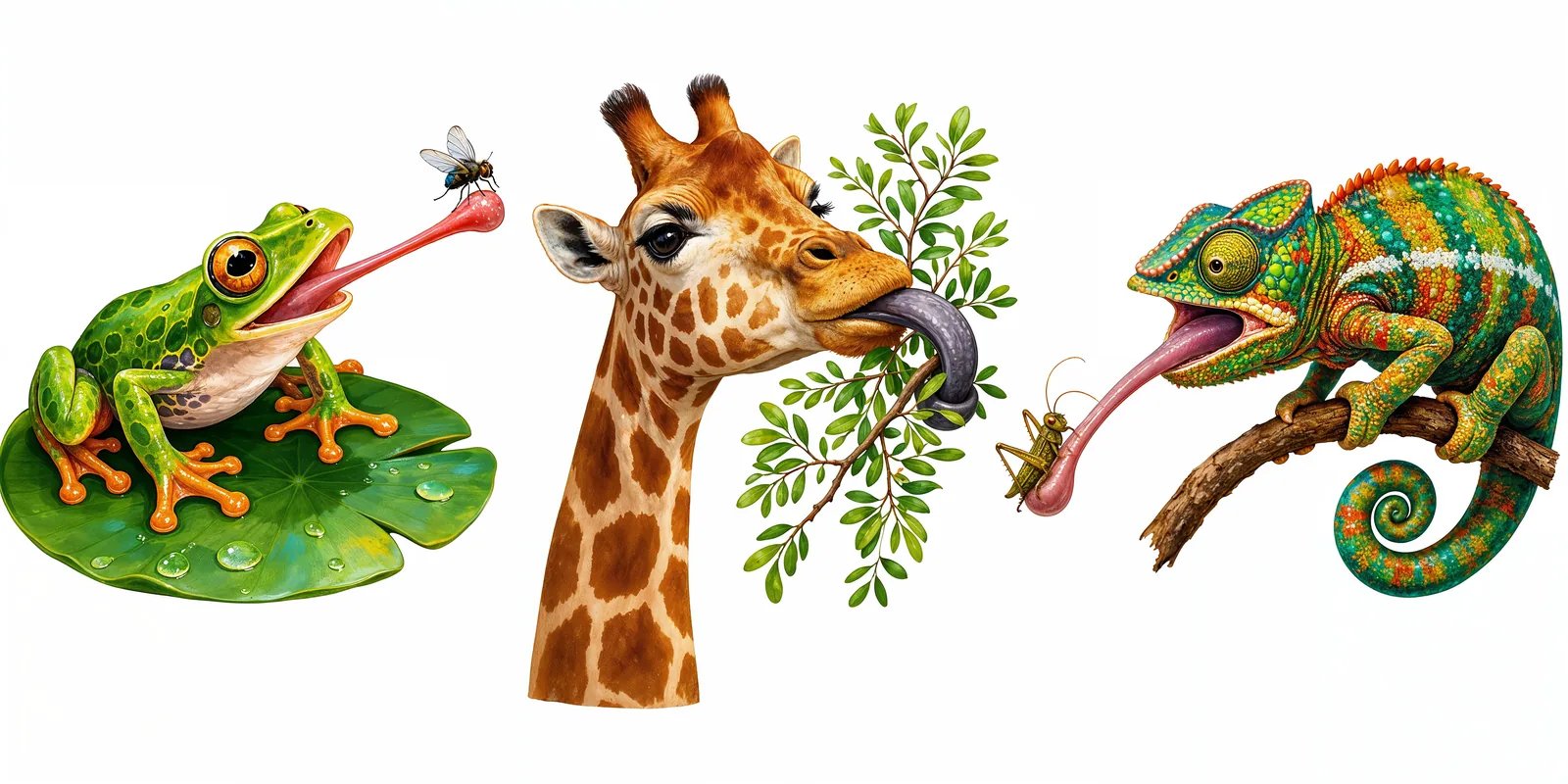
Special tongues — from frogs to giraffes to chameleons.
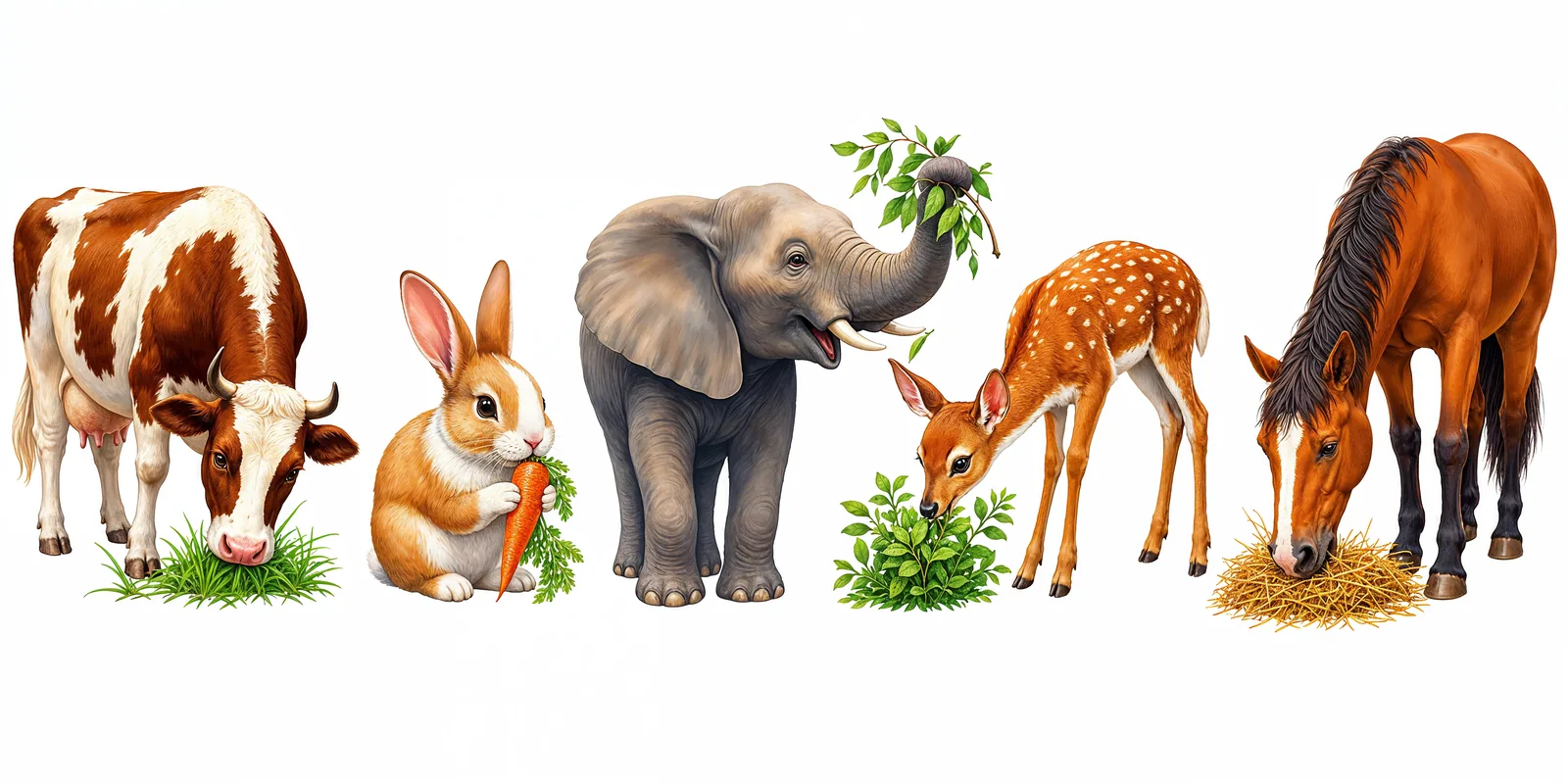
Herbivores — animals that eat only plants.
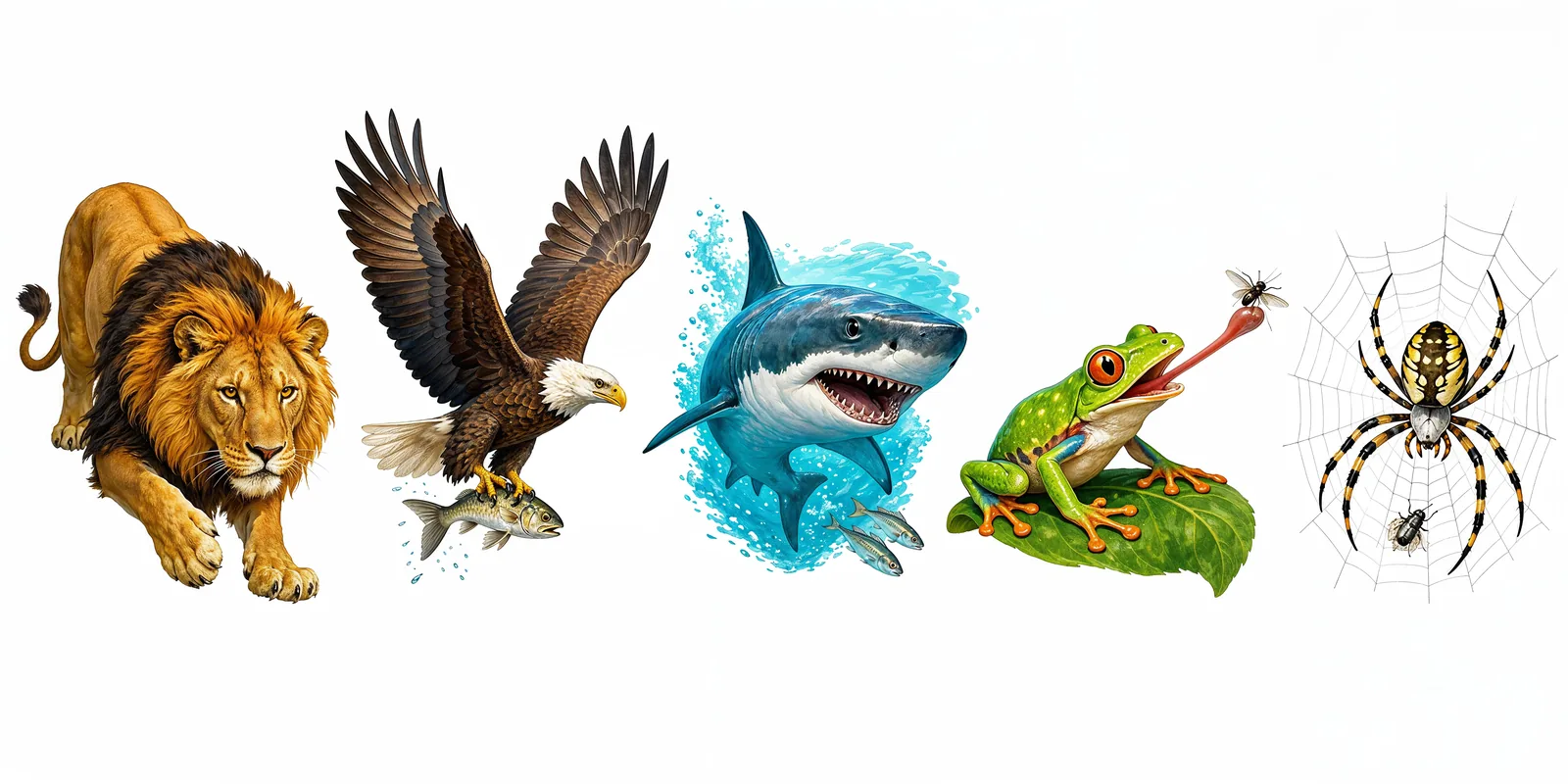
Carnivores — animals that hunt and eat meat.
Omnivores — animals that eat both plants and meat.
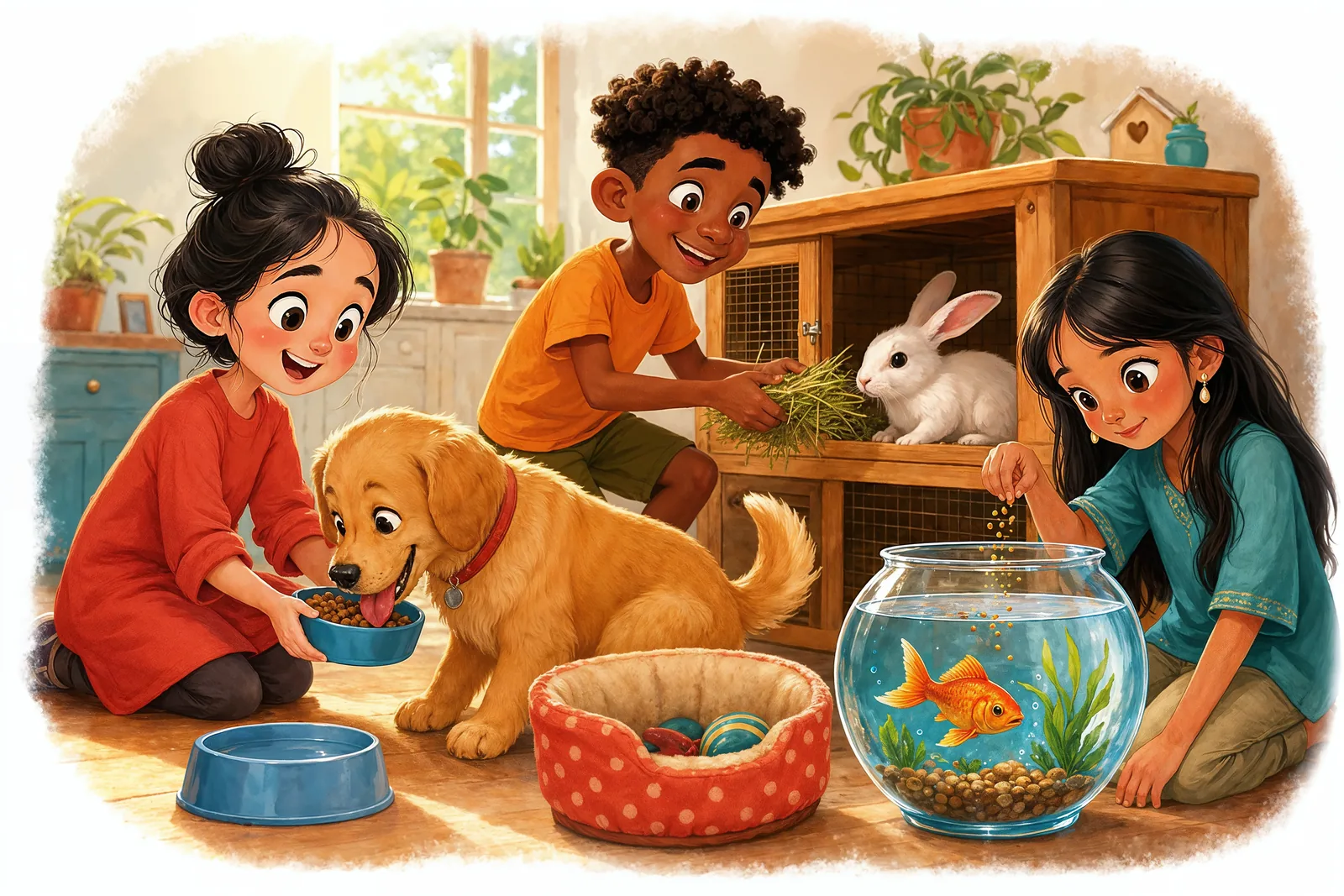
Feeding and caring for pets at home.

Chapter 6 — Plants Around Us
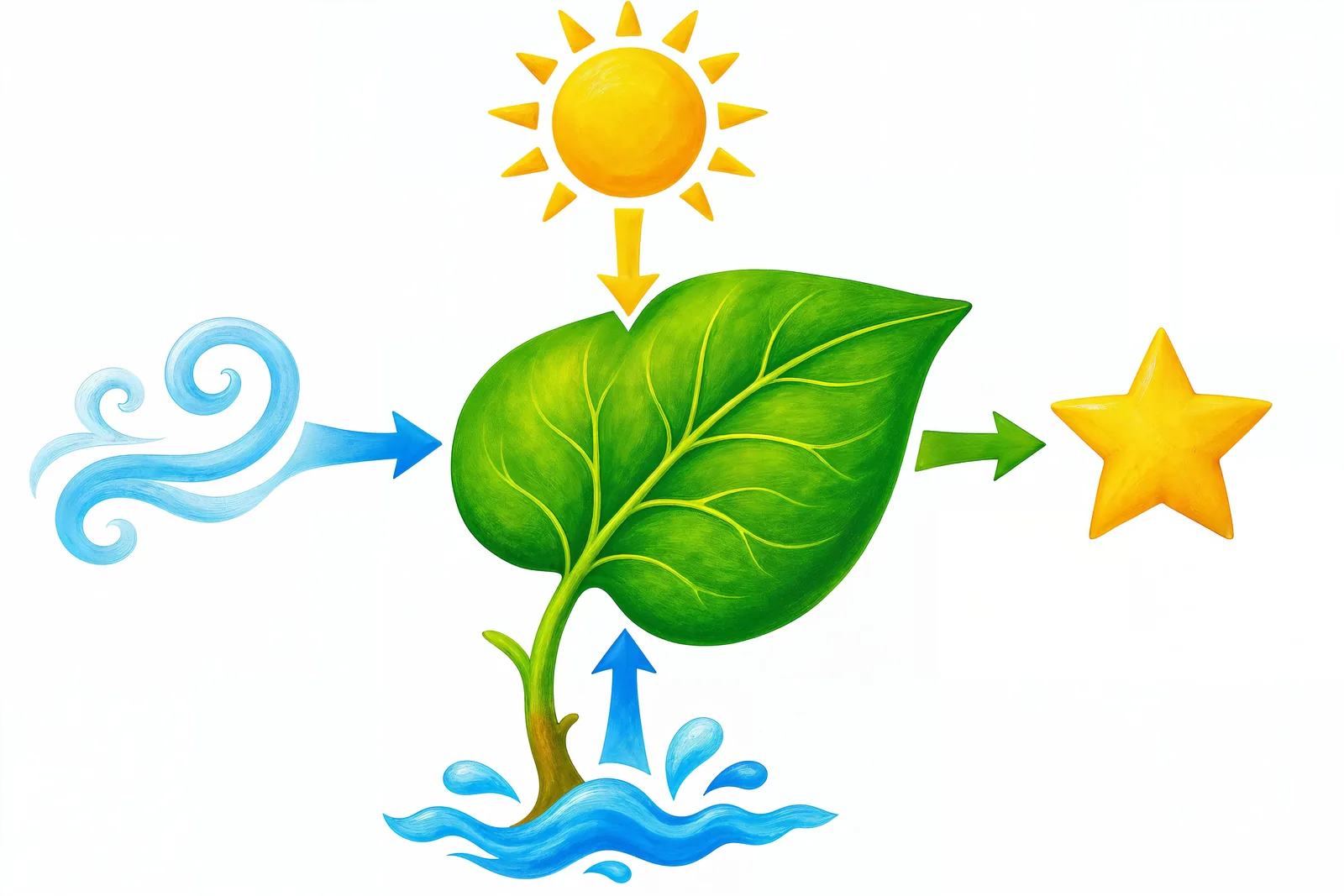
Photosynthesis — how leaves make food from sunlight, air and water.
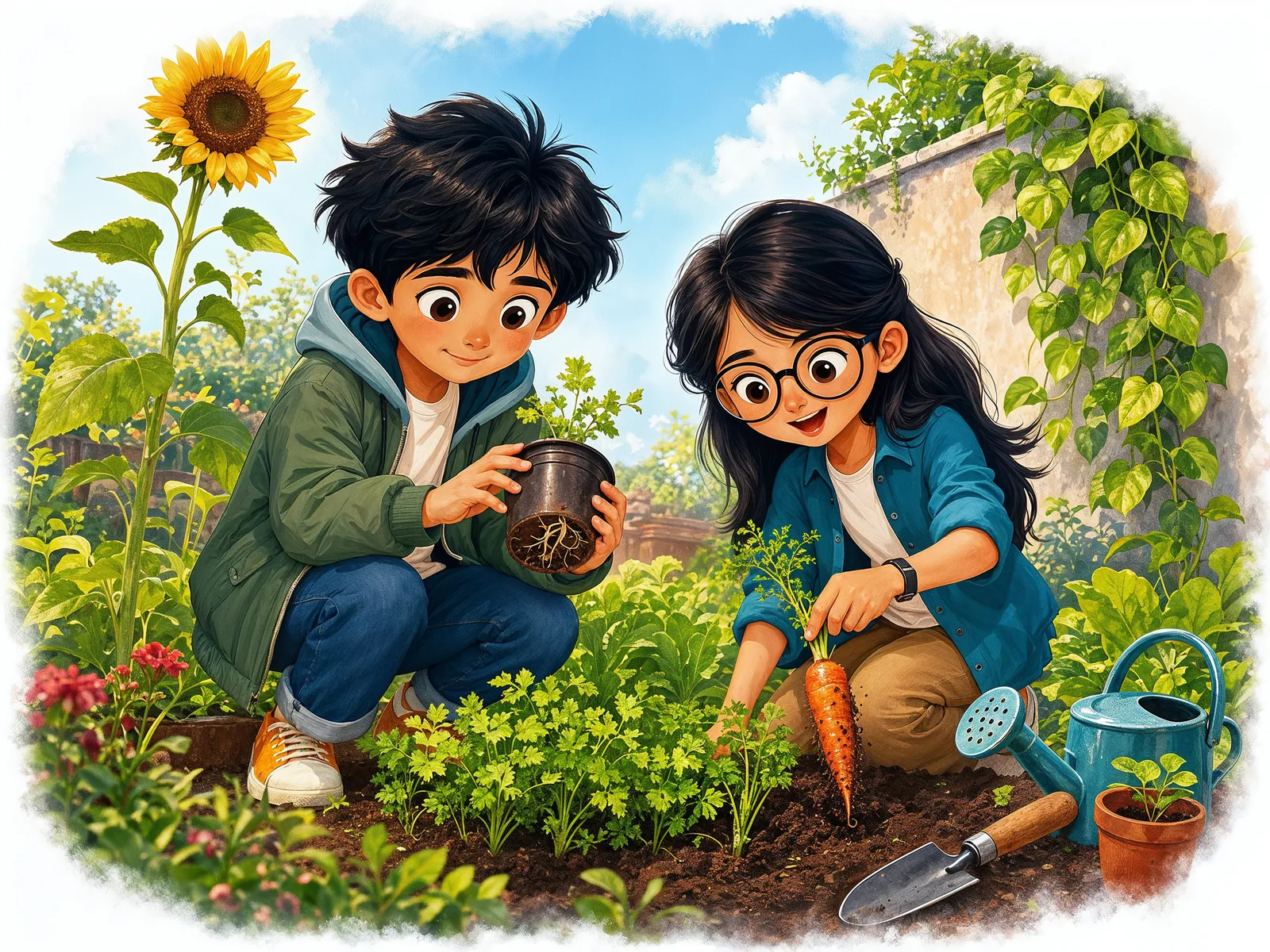
Children planting and caring for a garden.
A plant above and below the ground — roots, stem and flower.
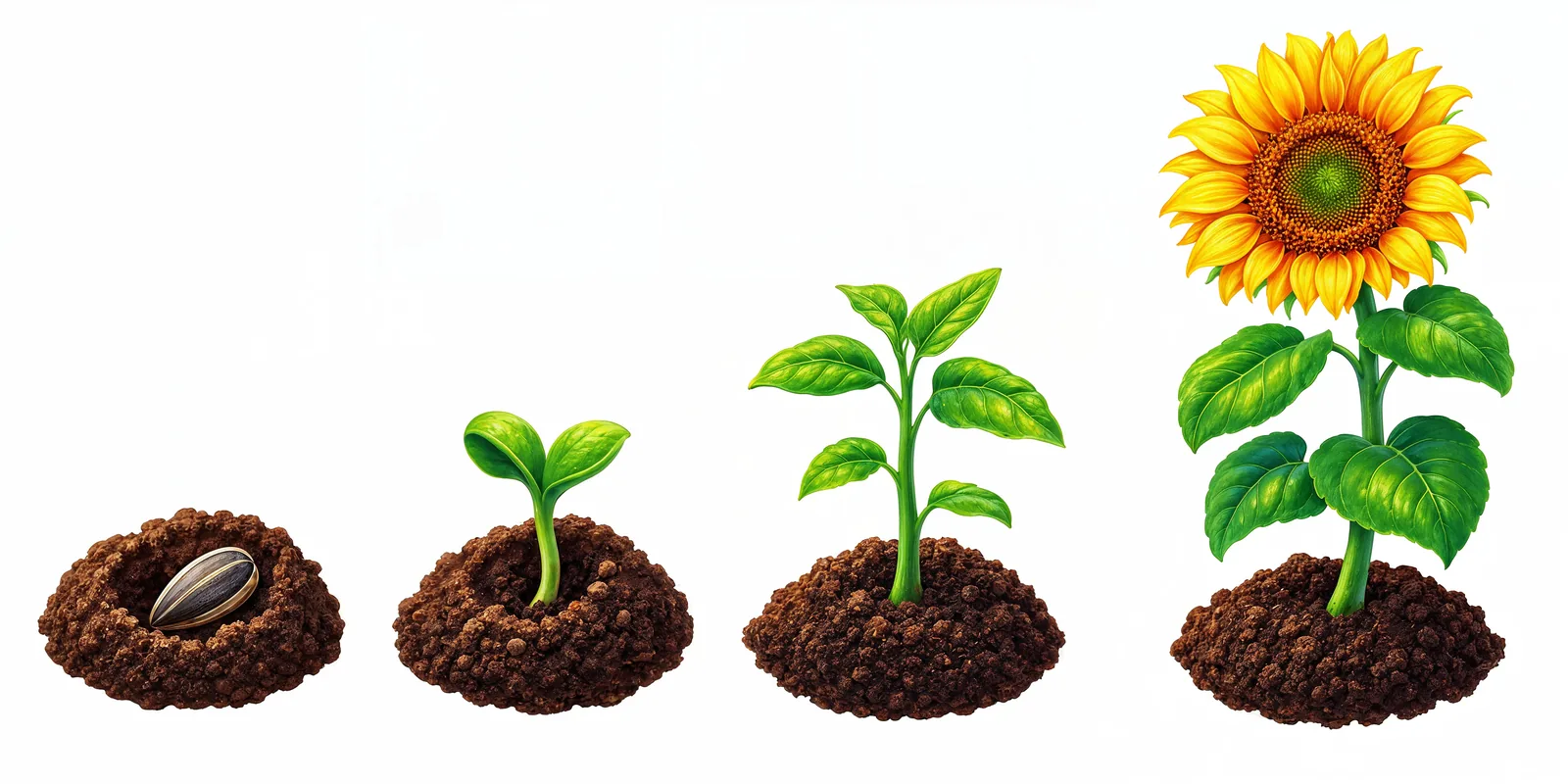
From seed to sunflower — the stages of plant growth.
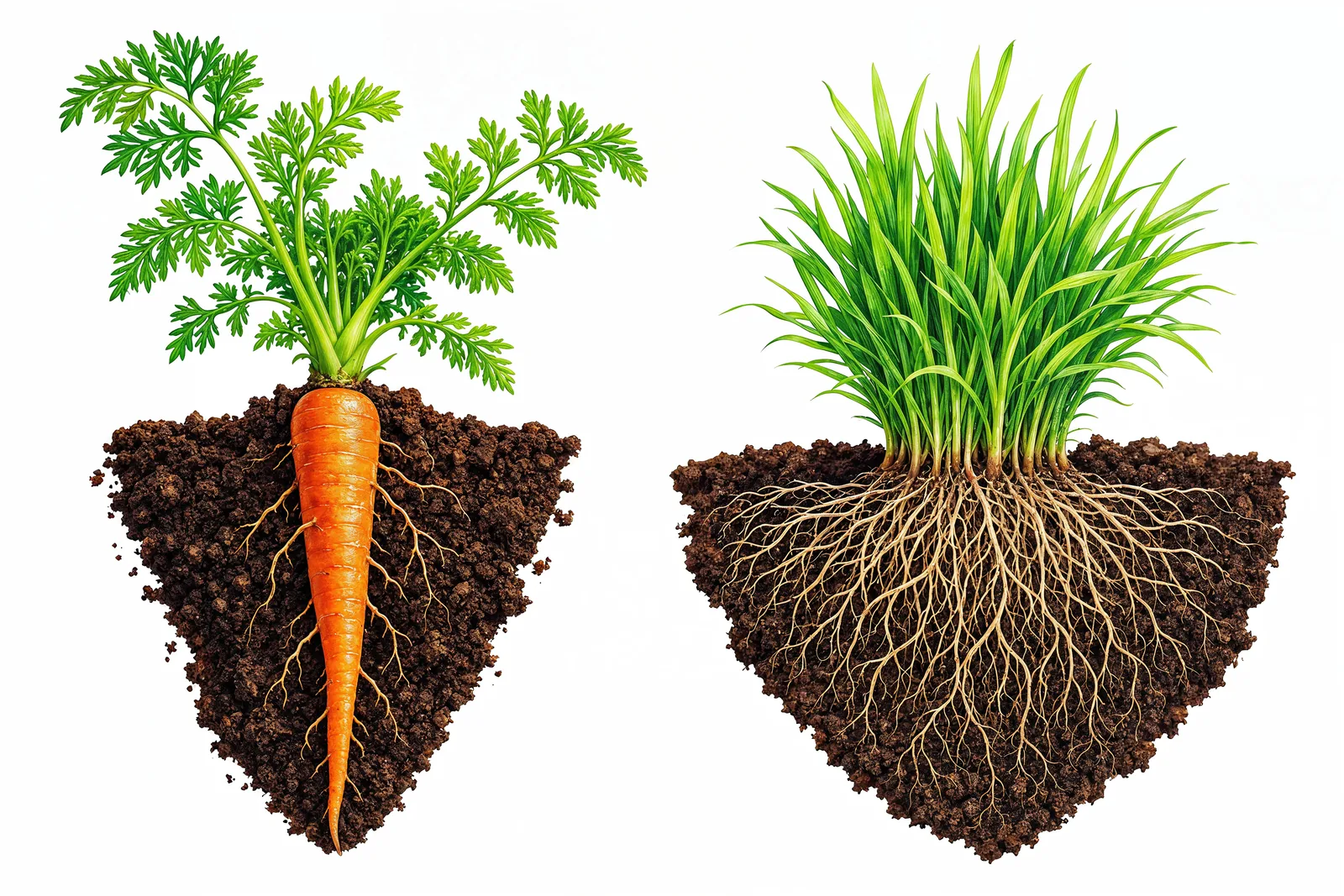
Two kinds of roots — taproot and fibrous.
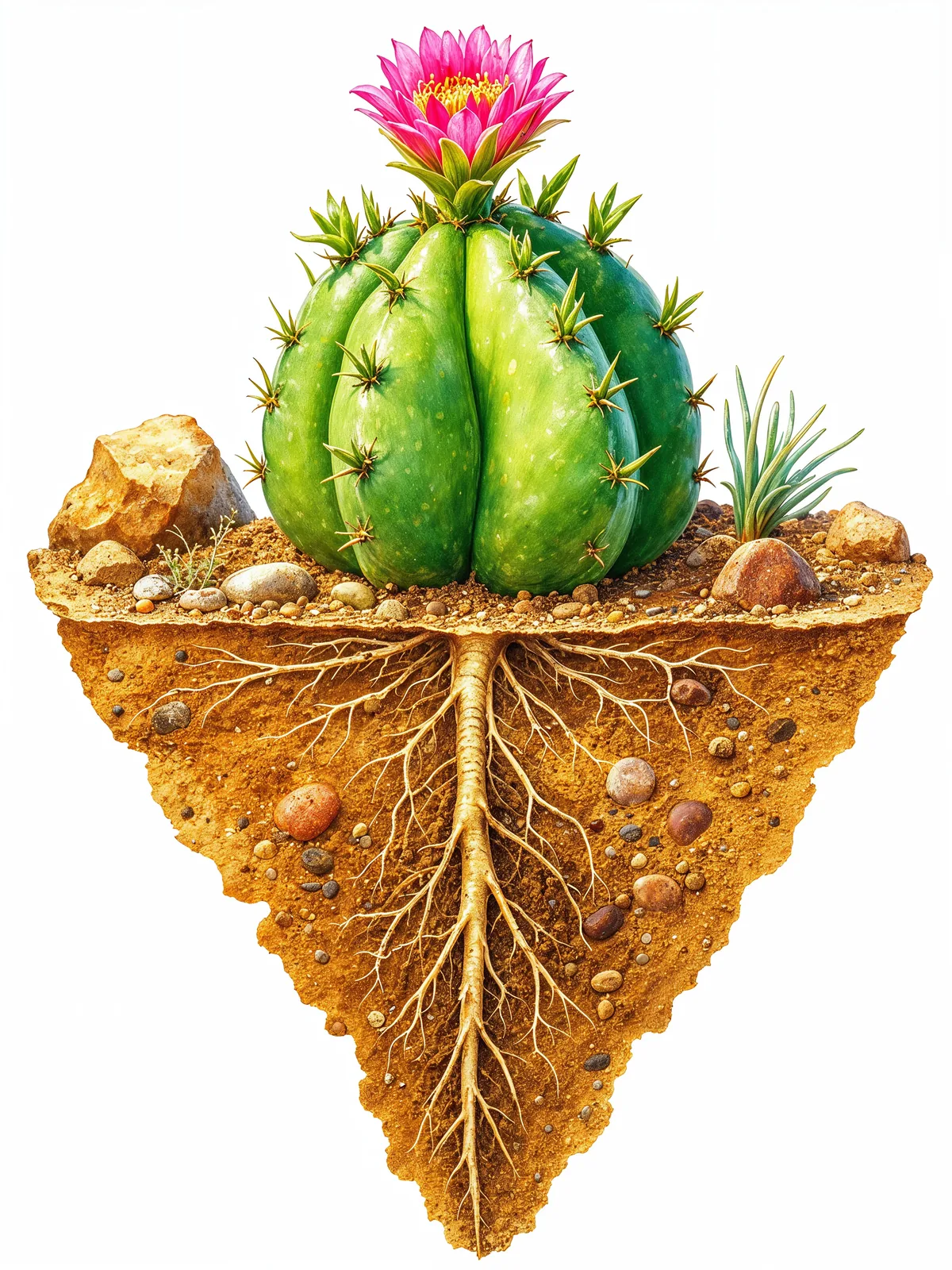
How a cactus survives with deep roots in dry soil.
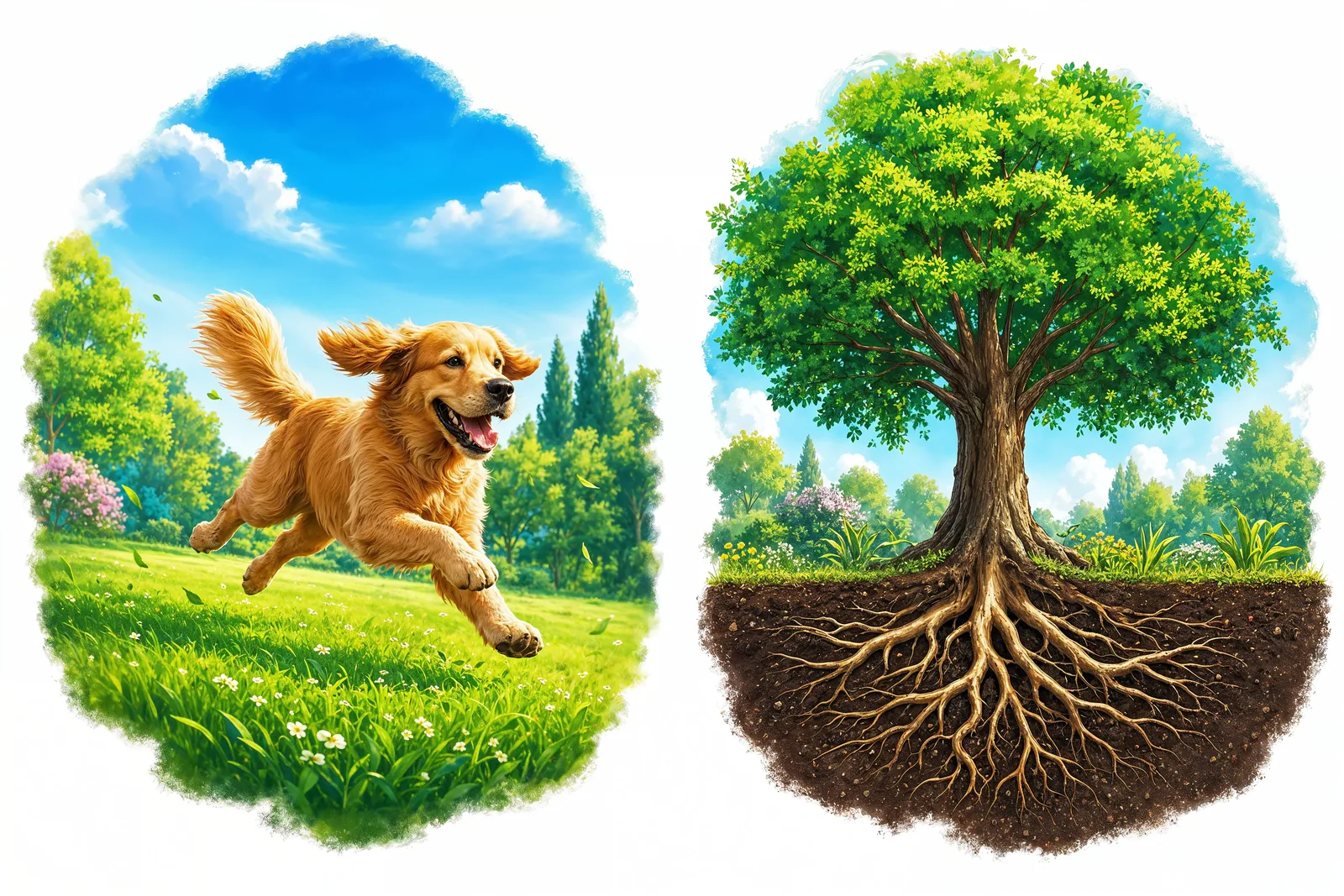
Comparing how animals and plants live and grow.
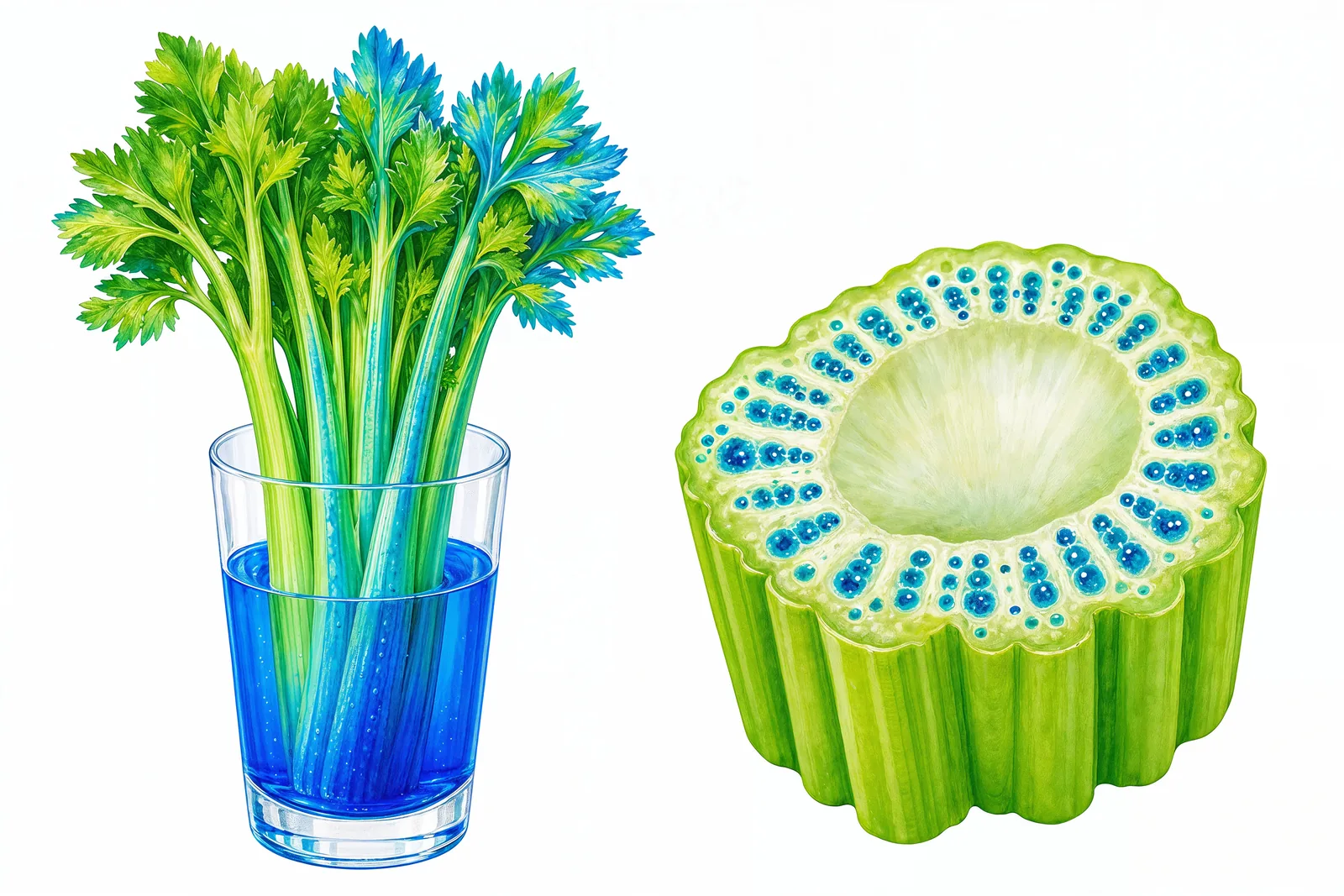
Inside a stem — the tubes that carry water up a plant.

Chapter 7 — Weather and the Water Cycle
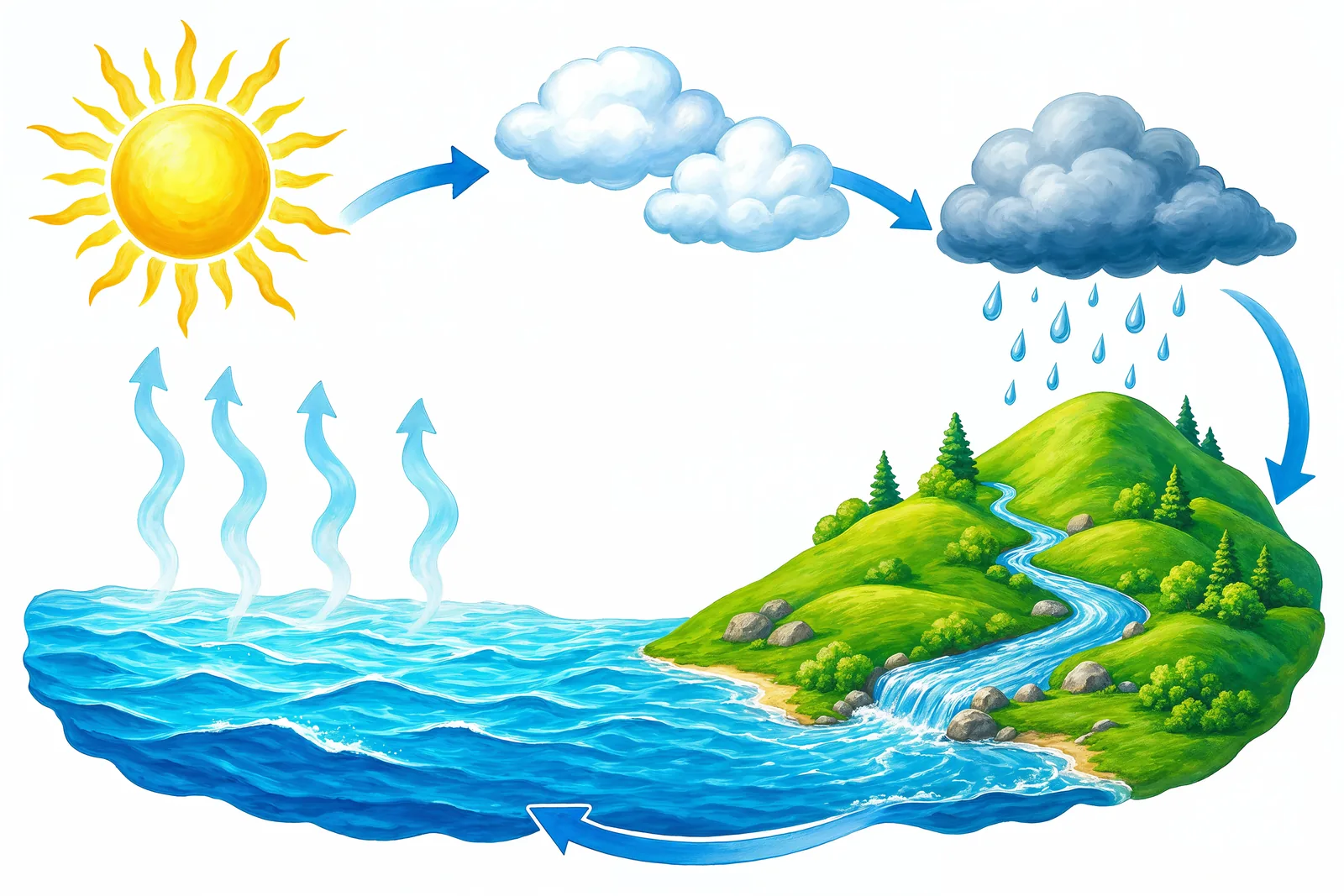
The water cycle — how water moves between sea, sky and land.
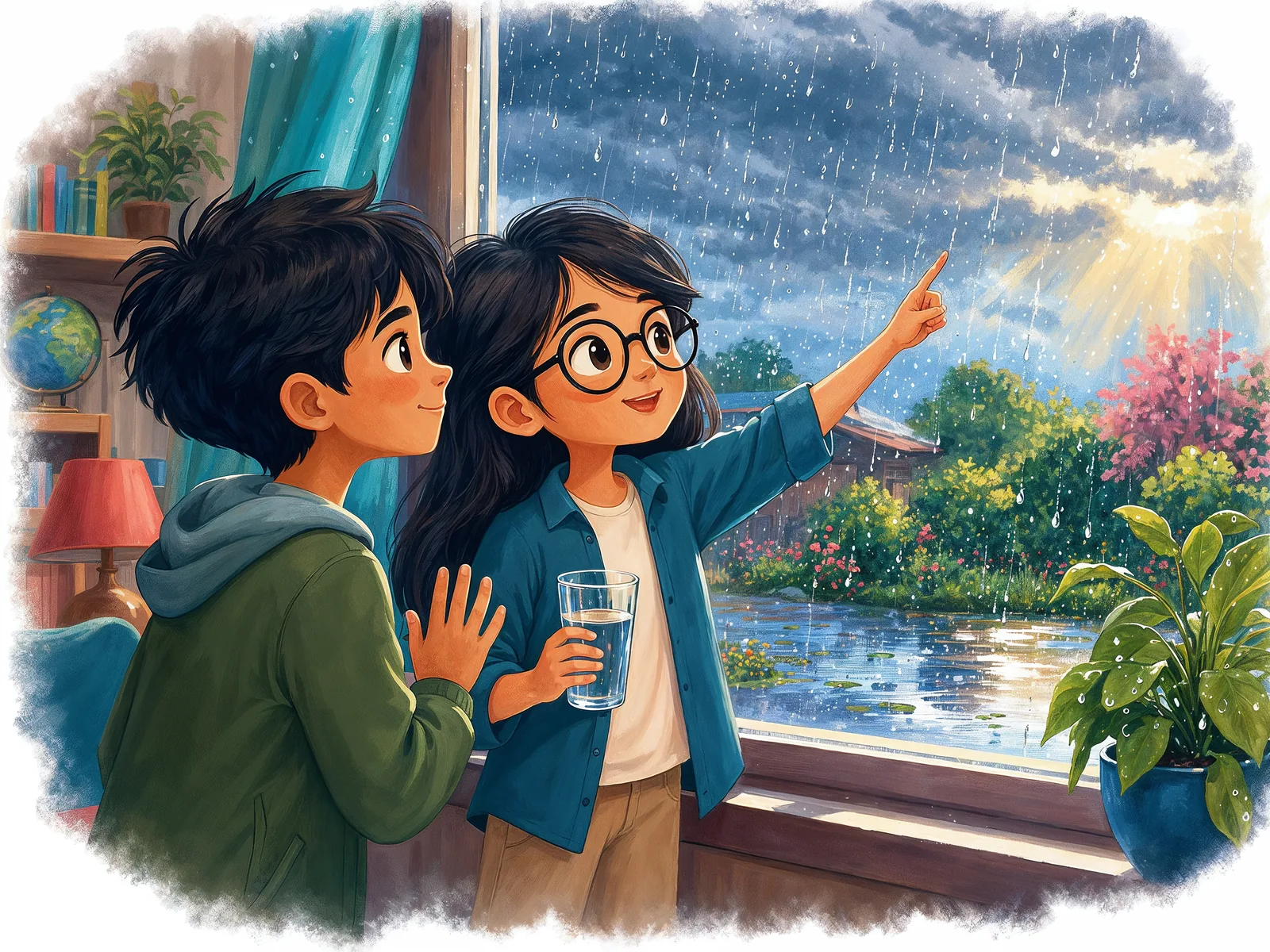
Watching the rain from a window — where does weather come from?
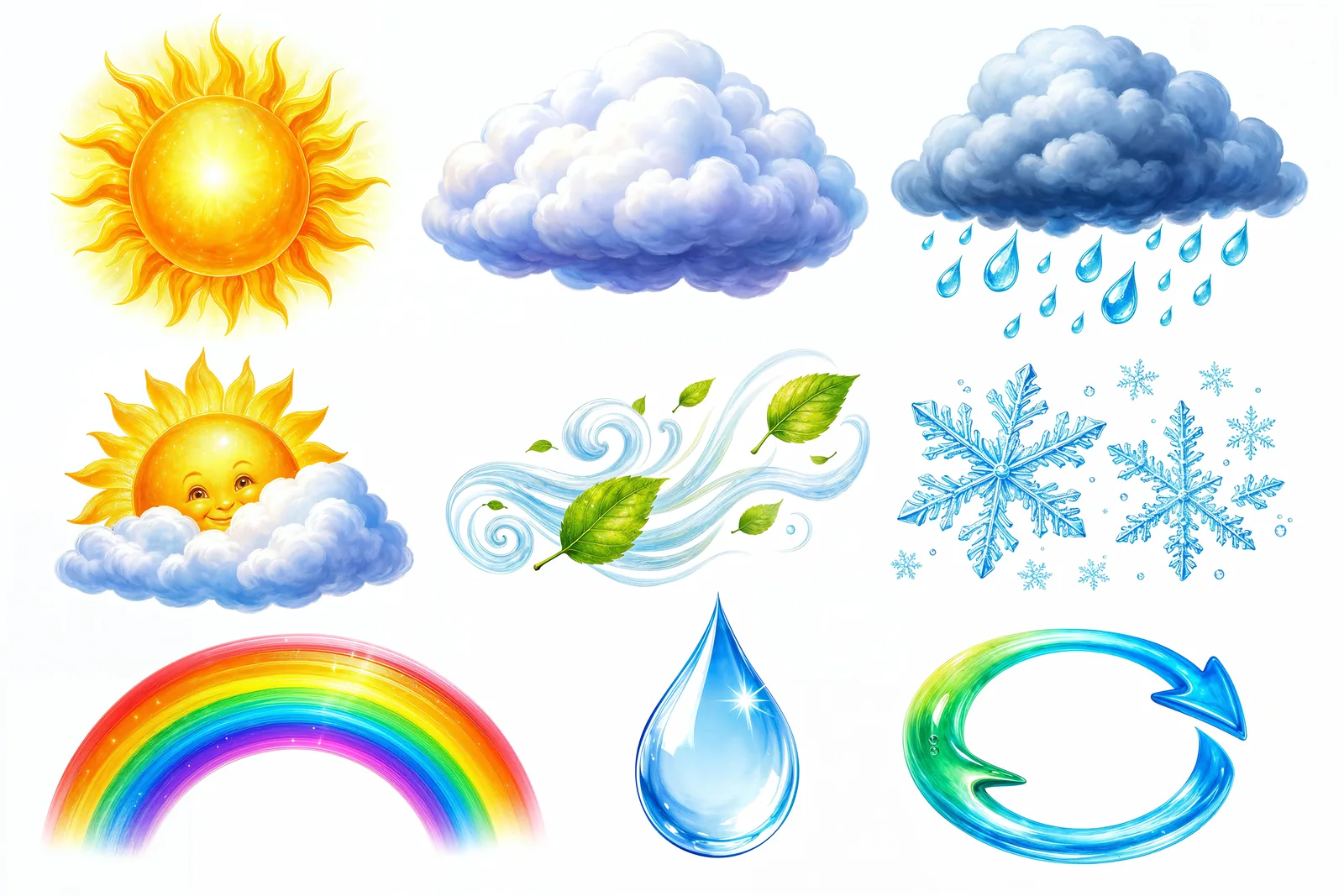
The many faces of weather — sun, rain, snow and rainbows.
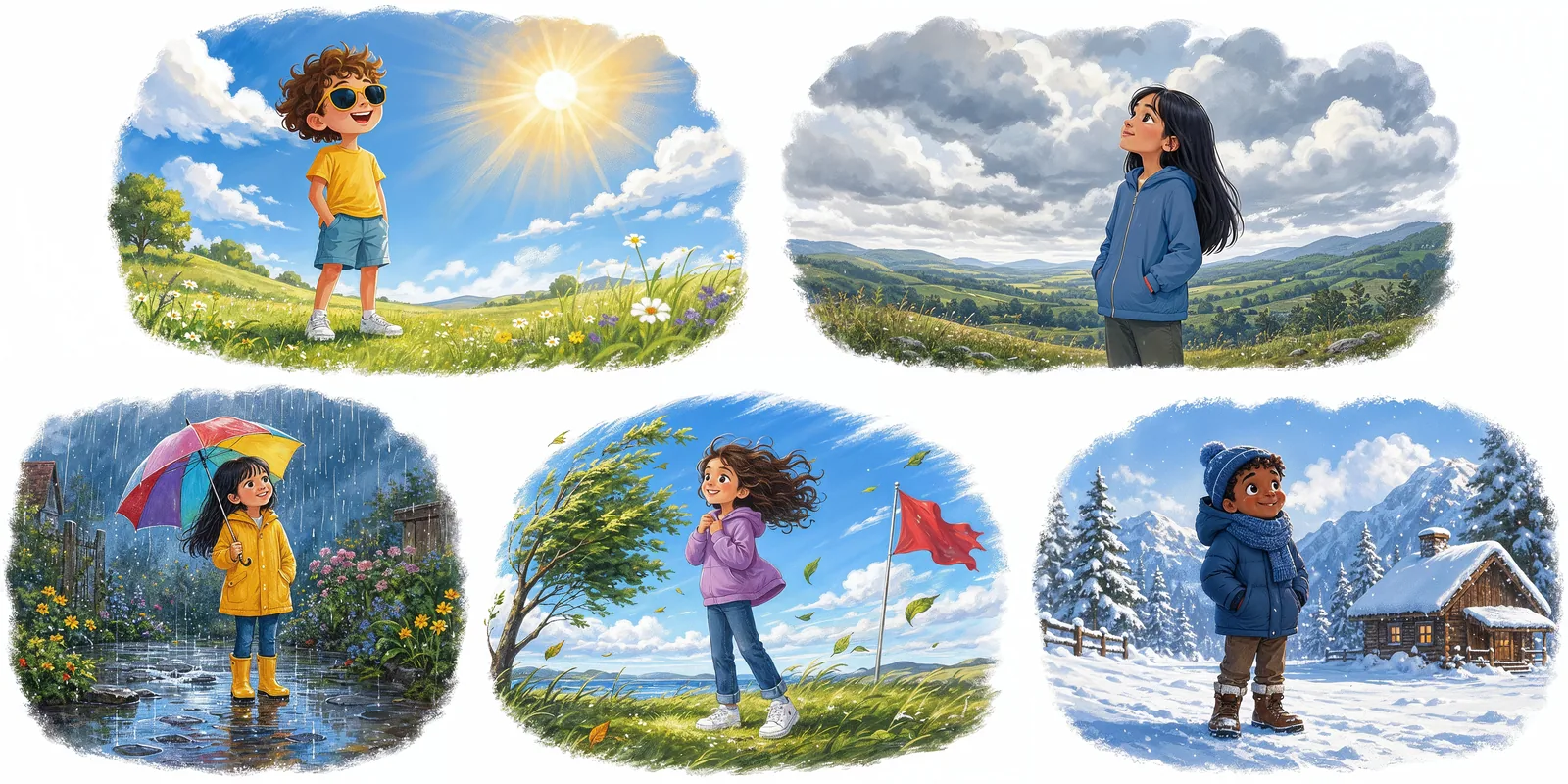
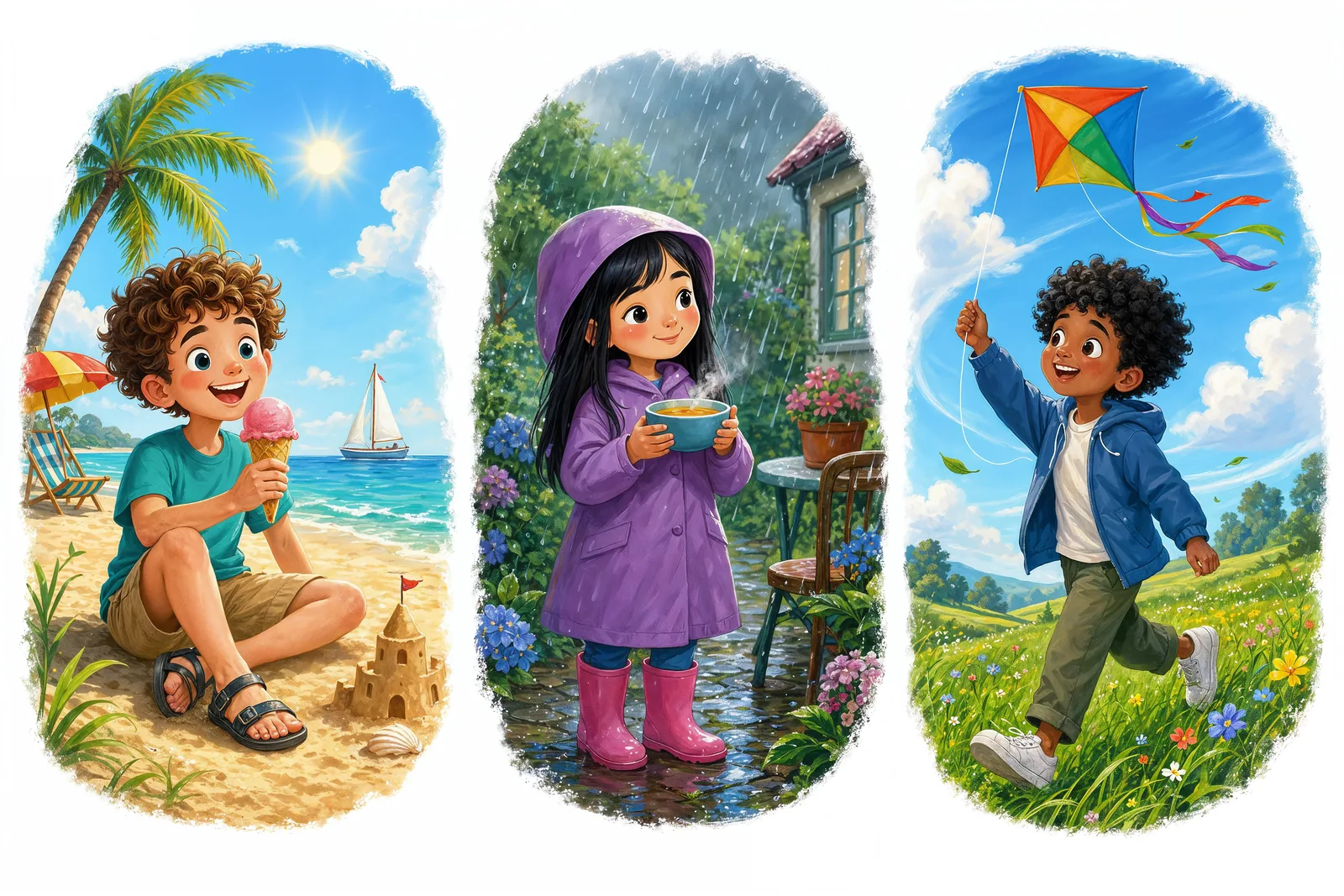
Different kinds of weather across the seasons.
How weather shapes what we wear and do.
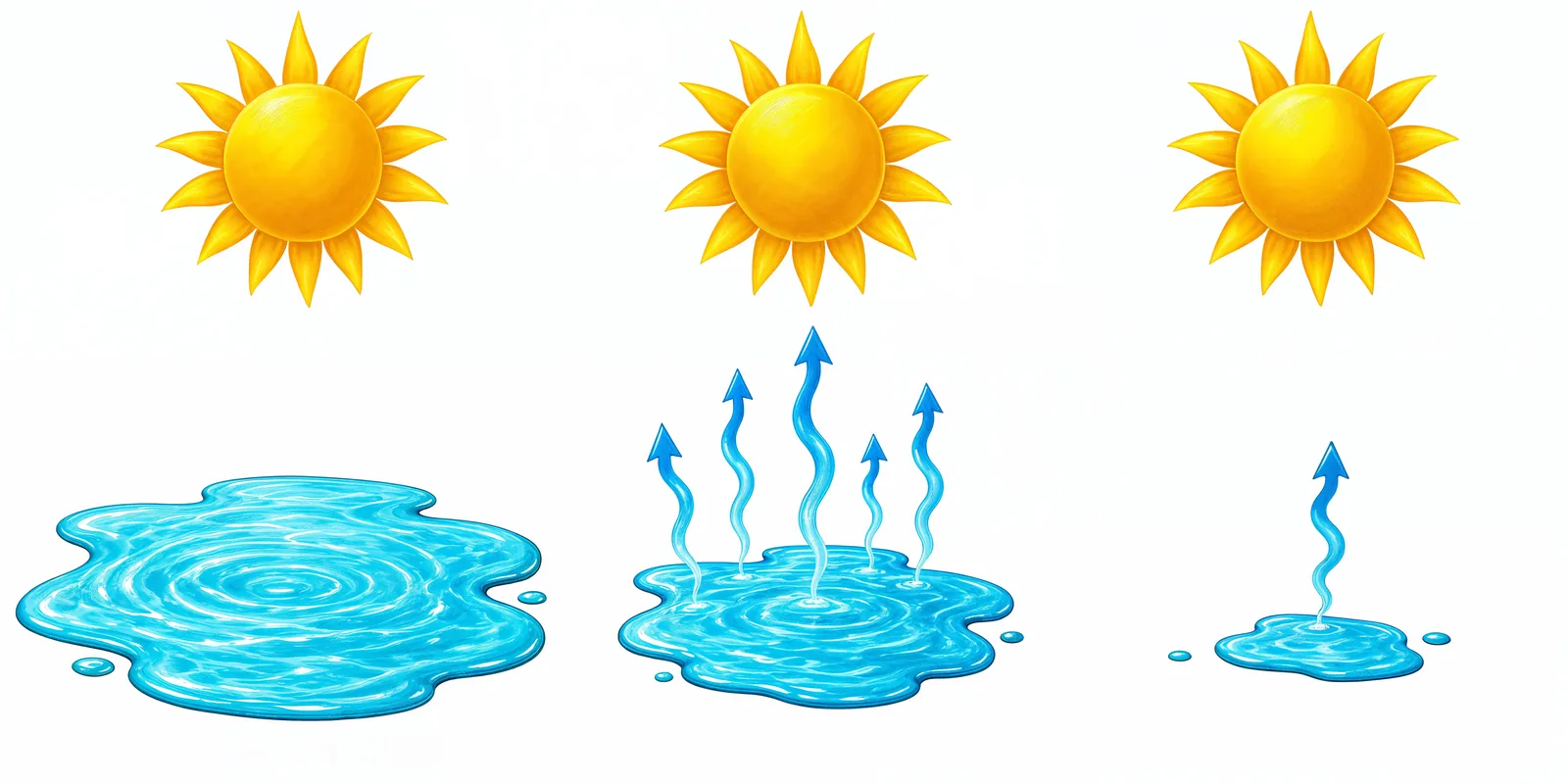
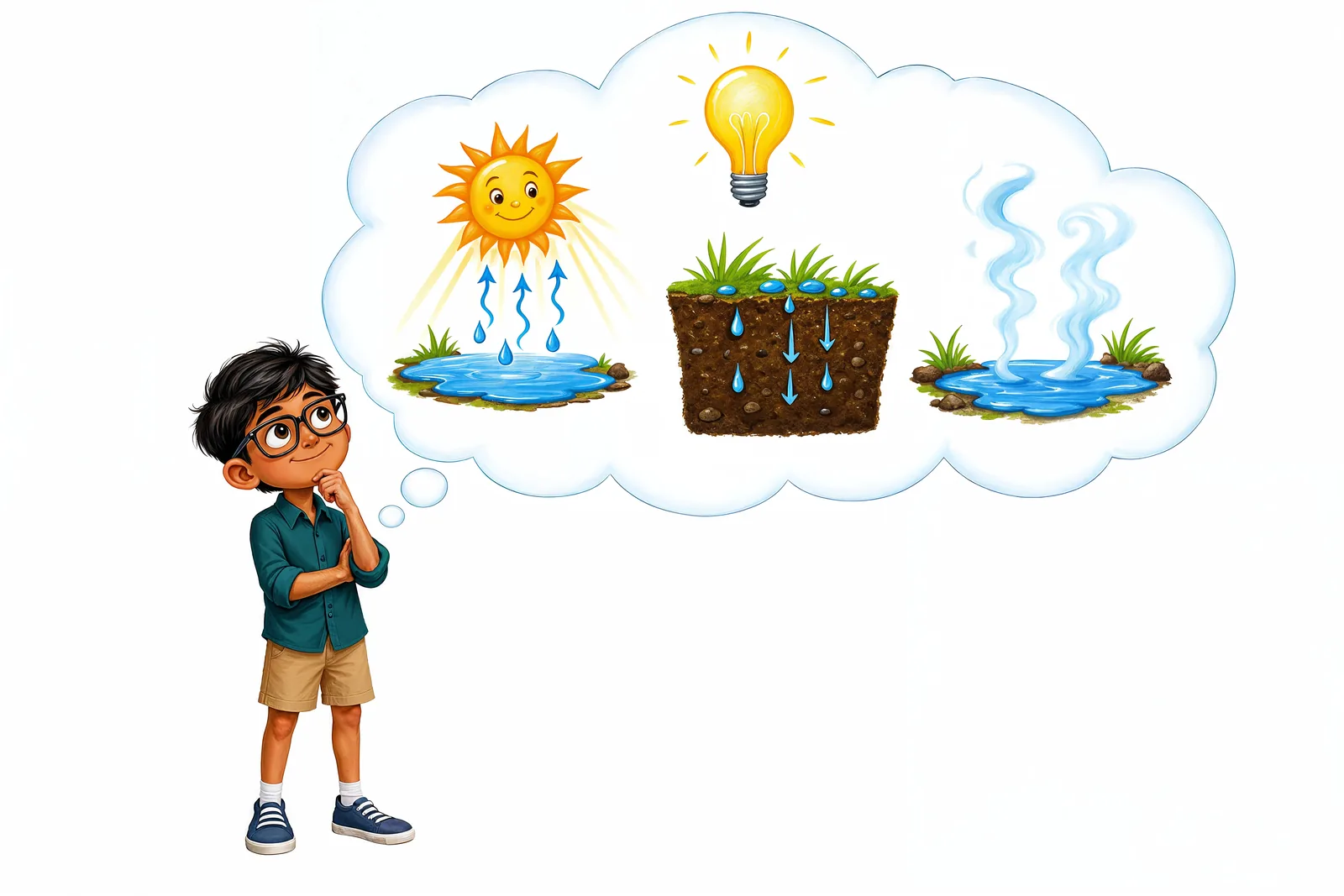
The sun warms water and turns it into vapour.
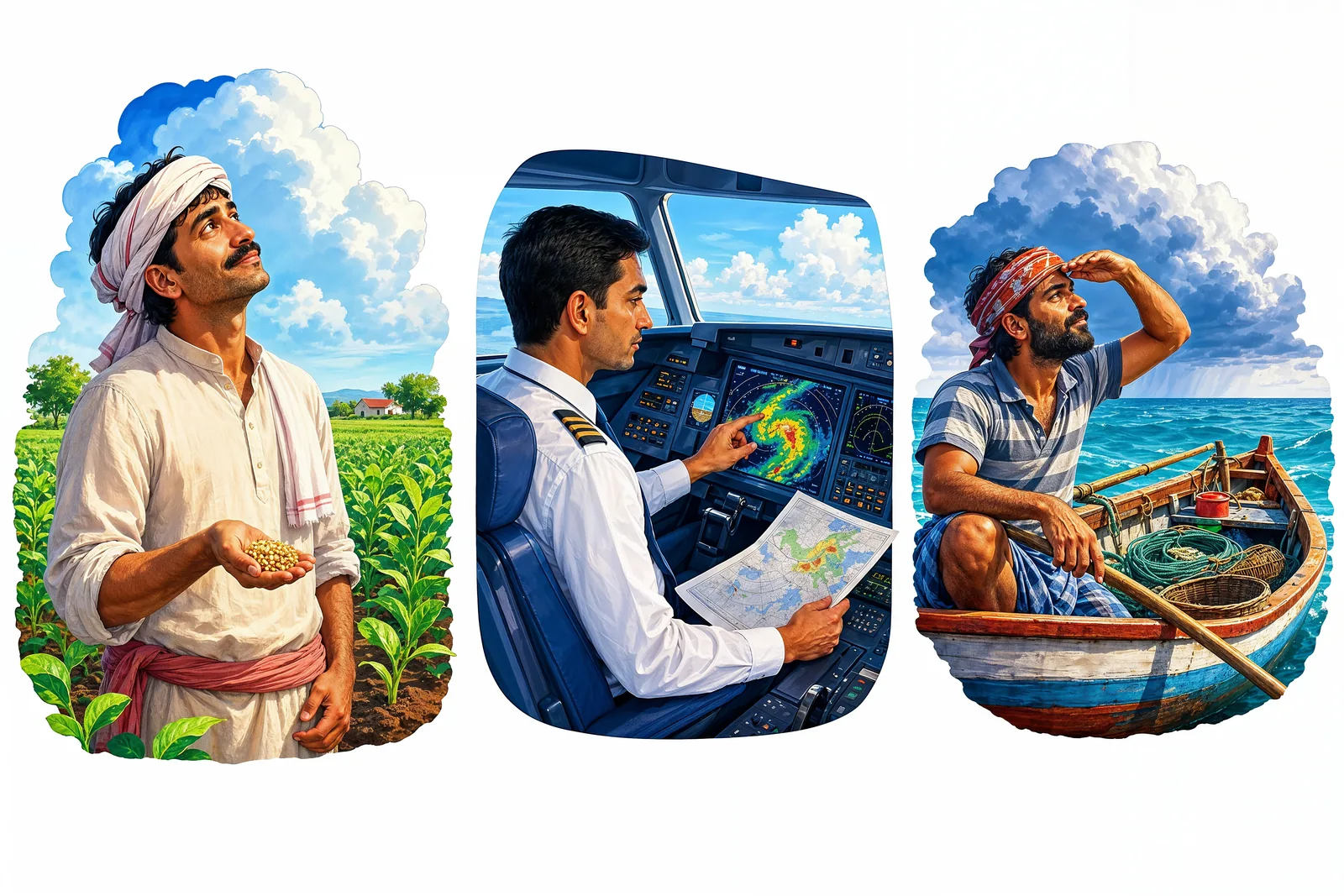
Weather matters at work — for farmers, pilots and fishermen.

Chapter 8 — How Do We Stay Safe?
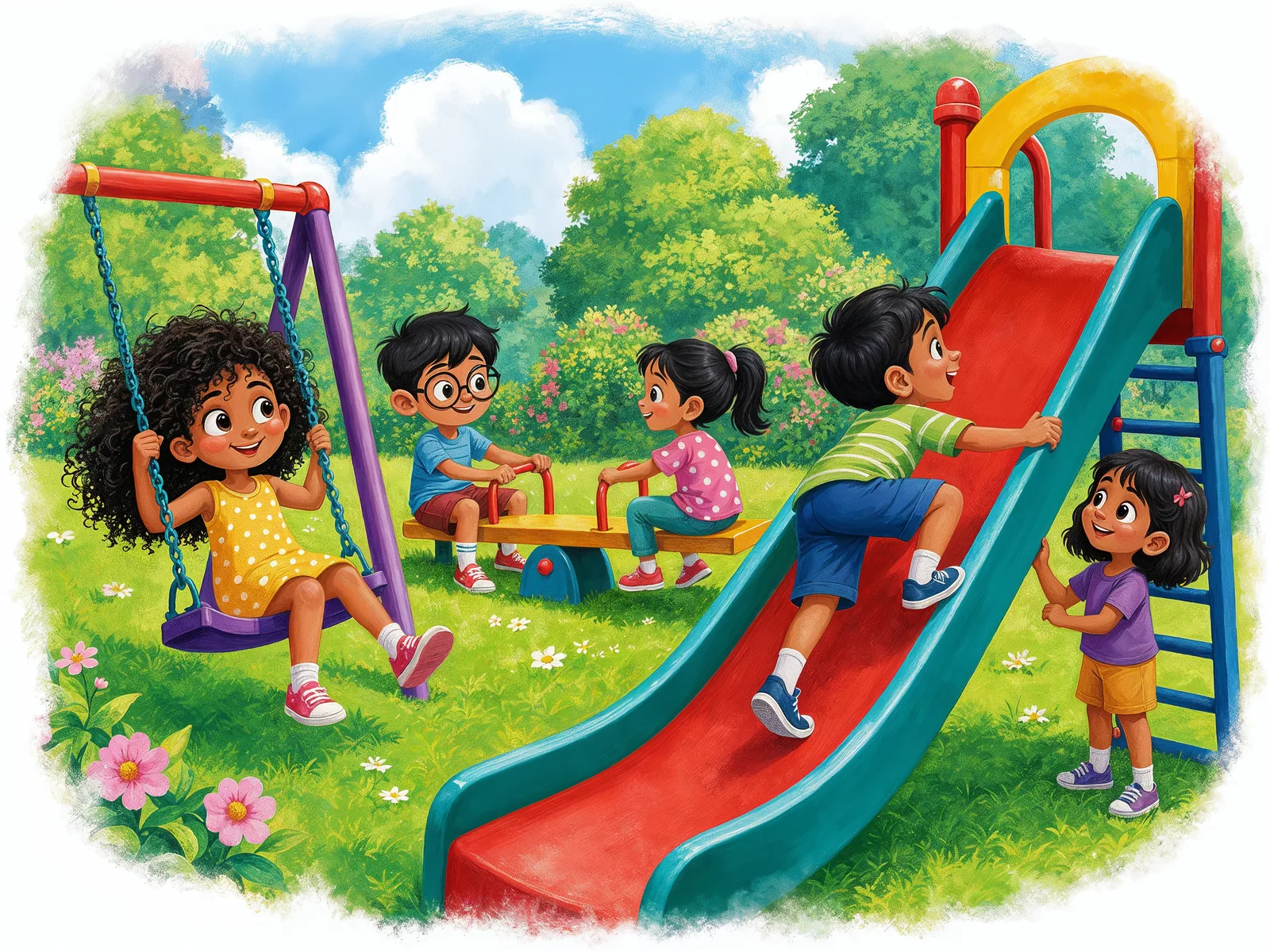
Playing safely together at the playground.
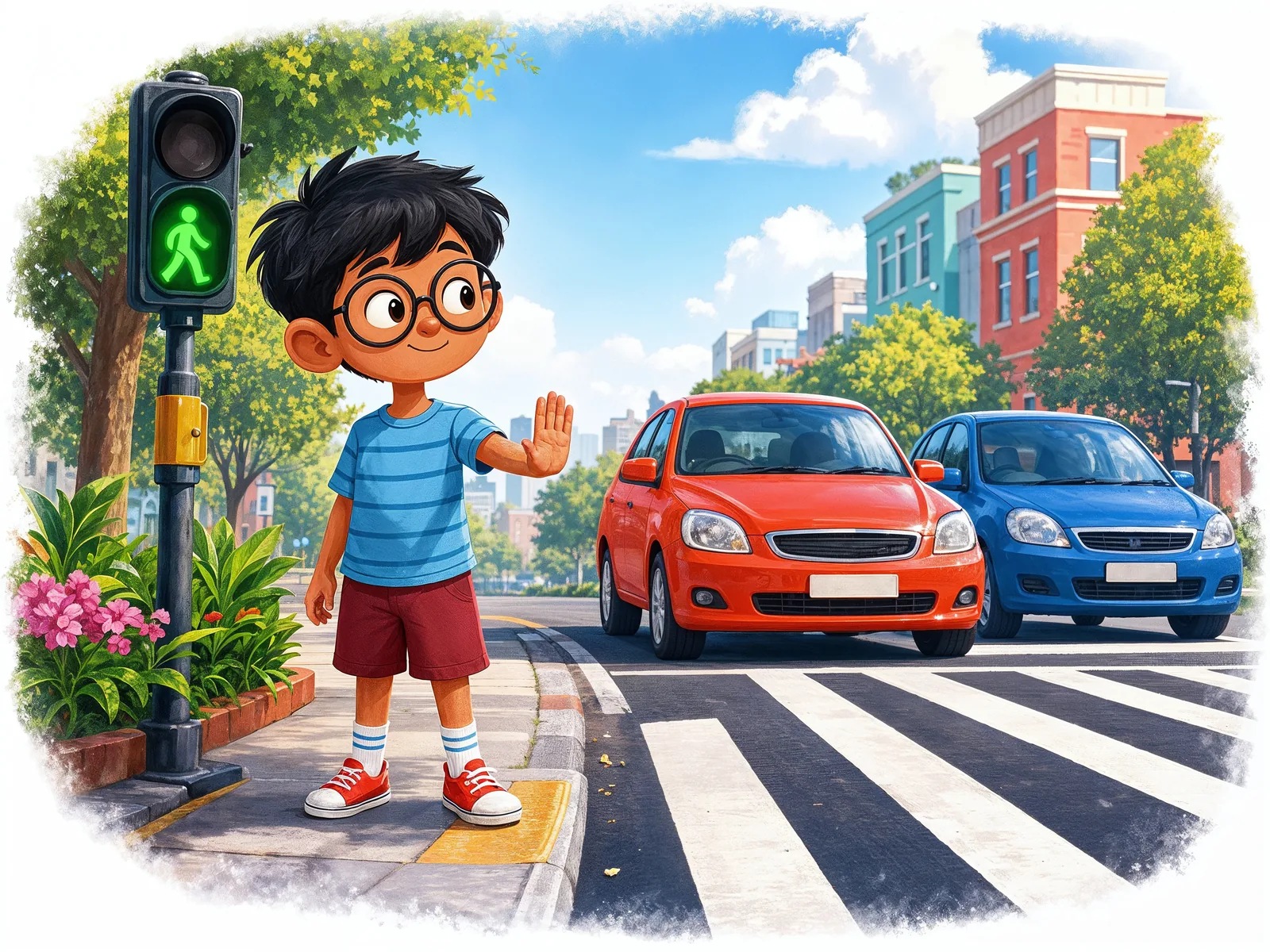
Crossing the road safely at the signal.
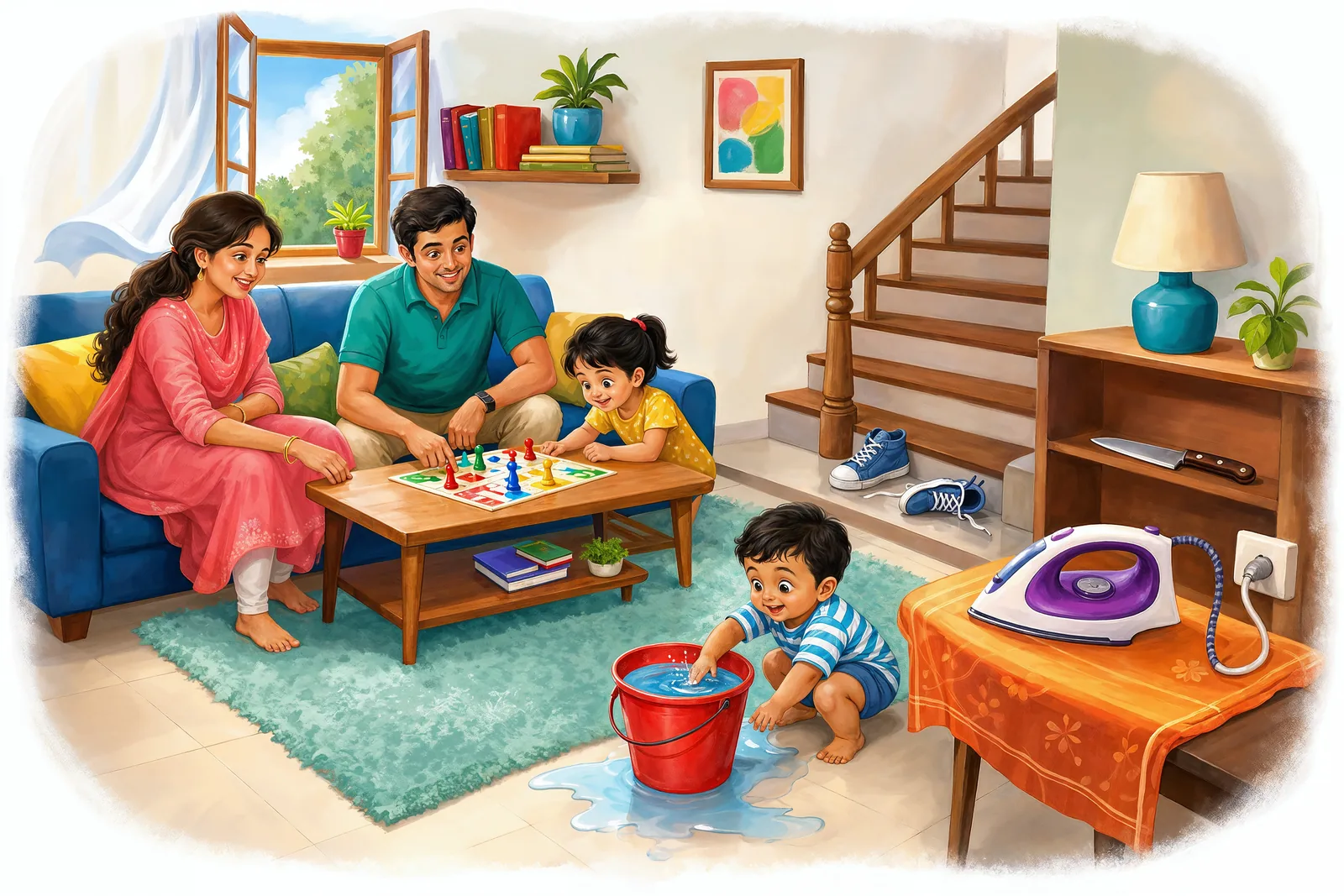
Spotting safety hazards around the home.
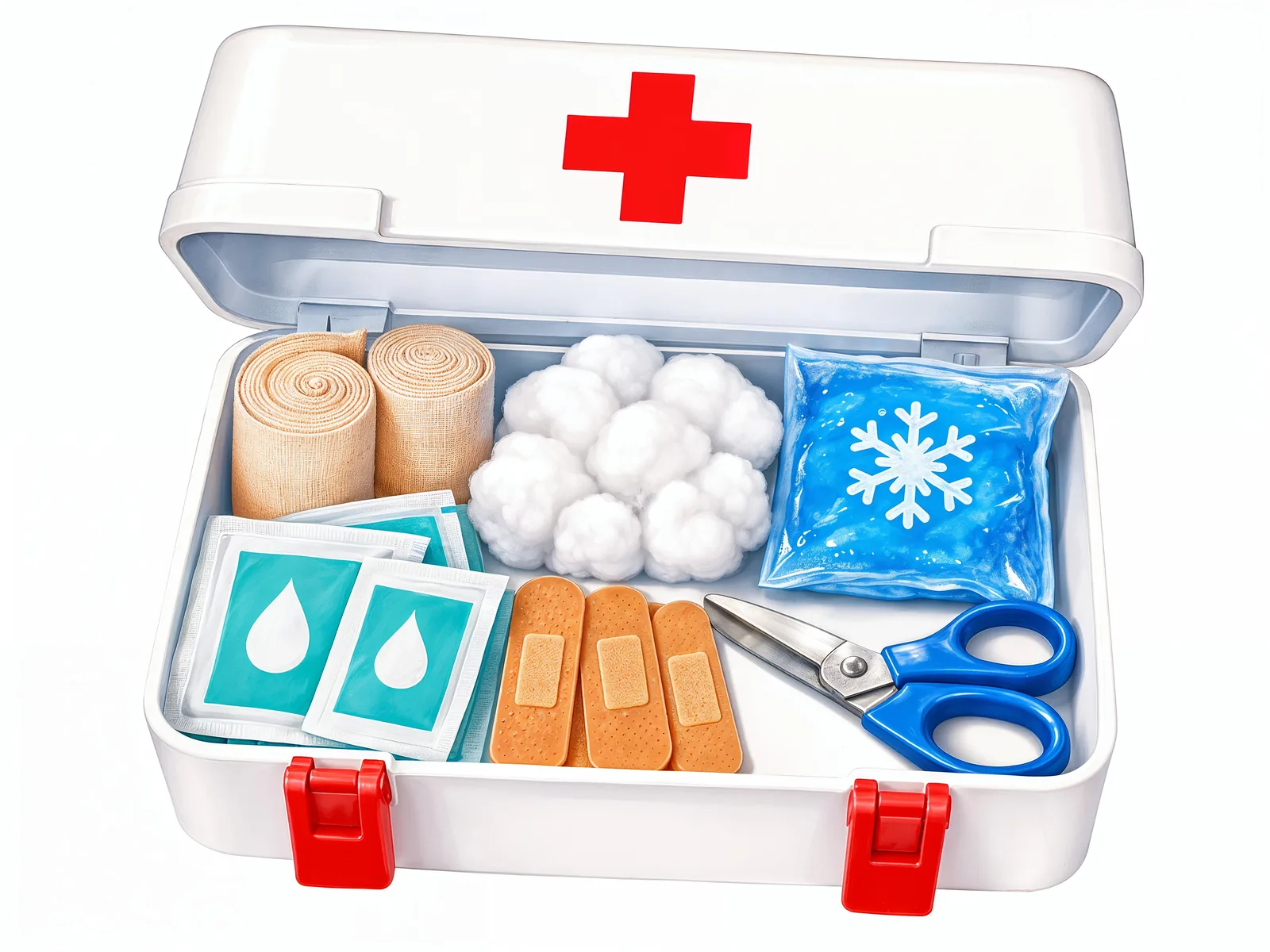
Inside a first-aid kit — what's there to help.
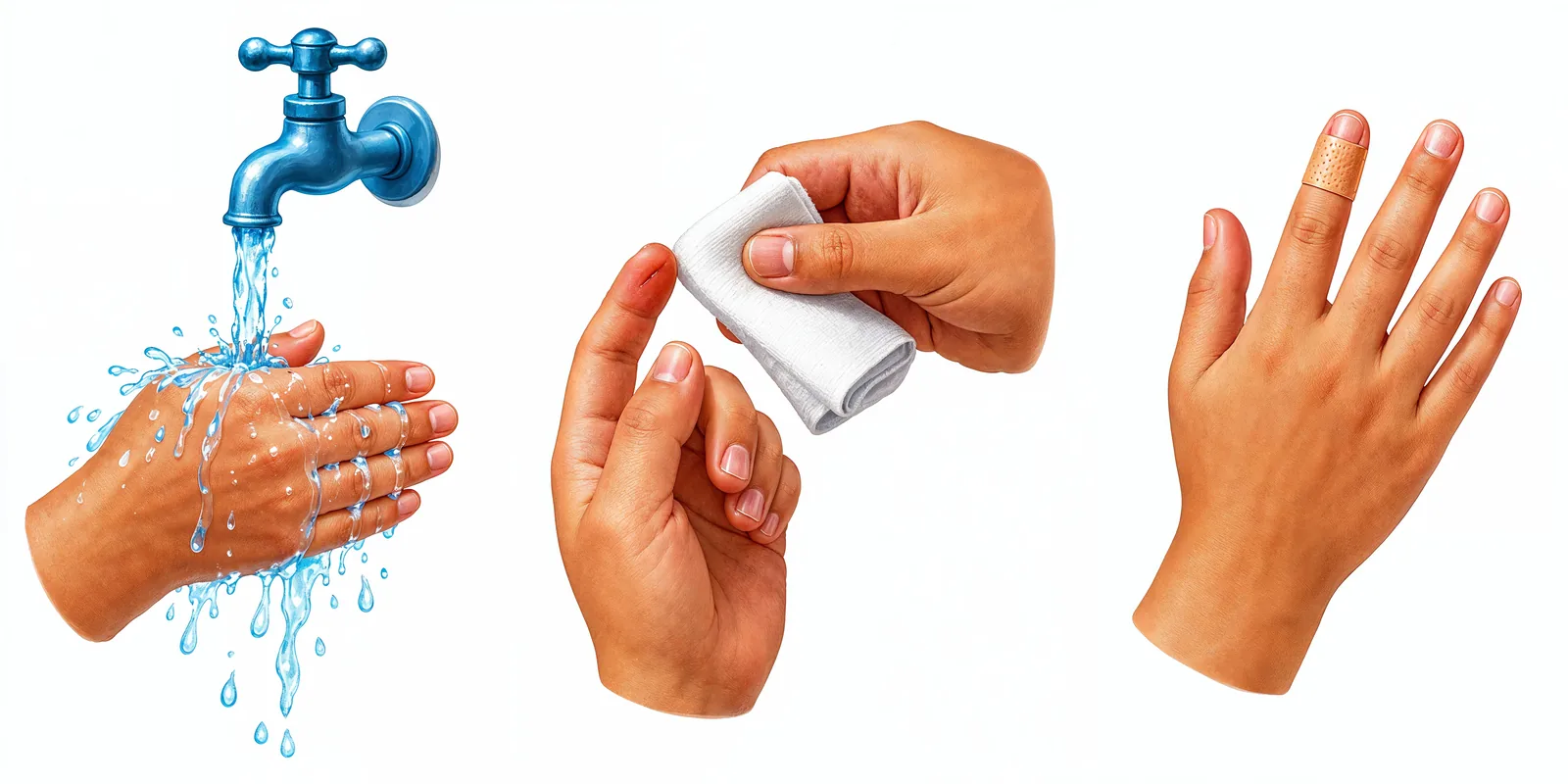
Simple steps to clean and cover a small cut.
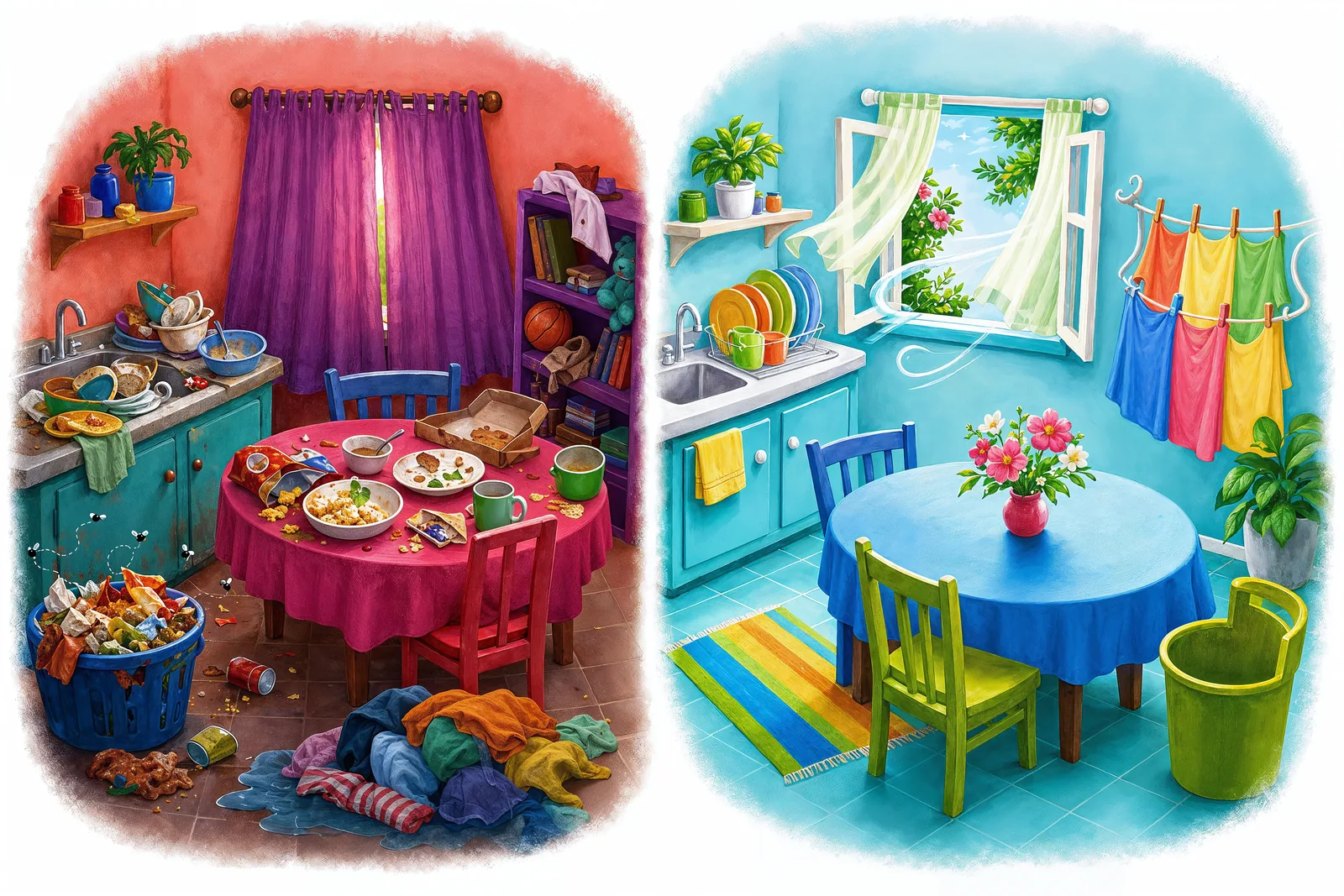
A messy room versus a clean, safe one.
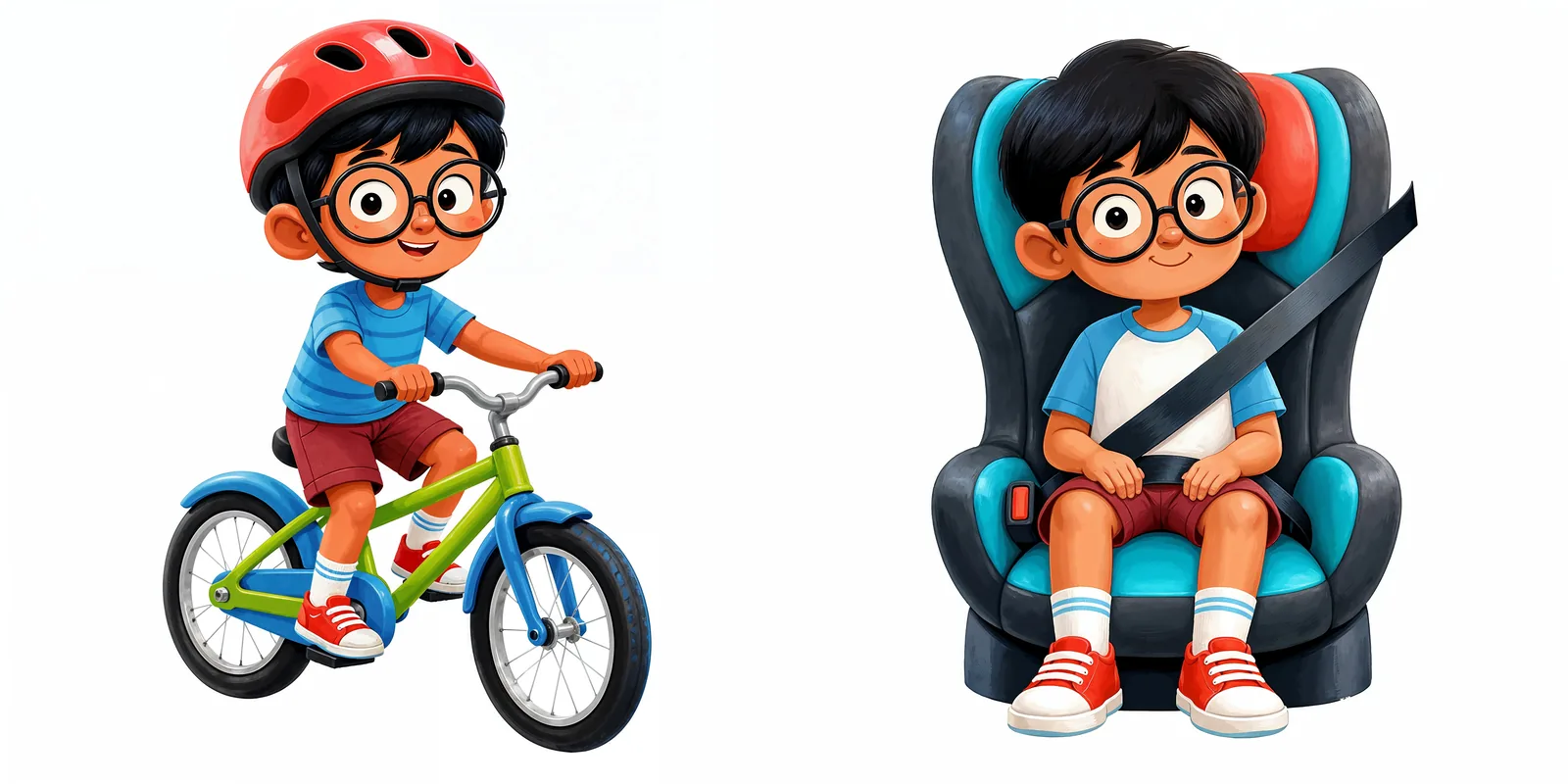
Helmets and seatbelts keep us safe on the move.

Chapter 9 — Living and Non-living Things
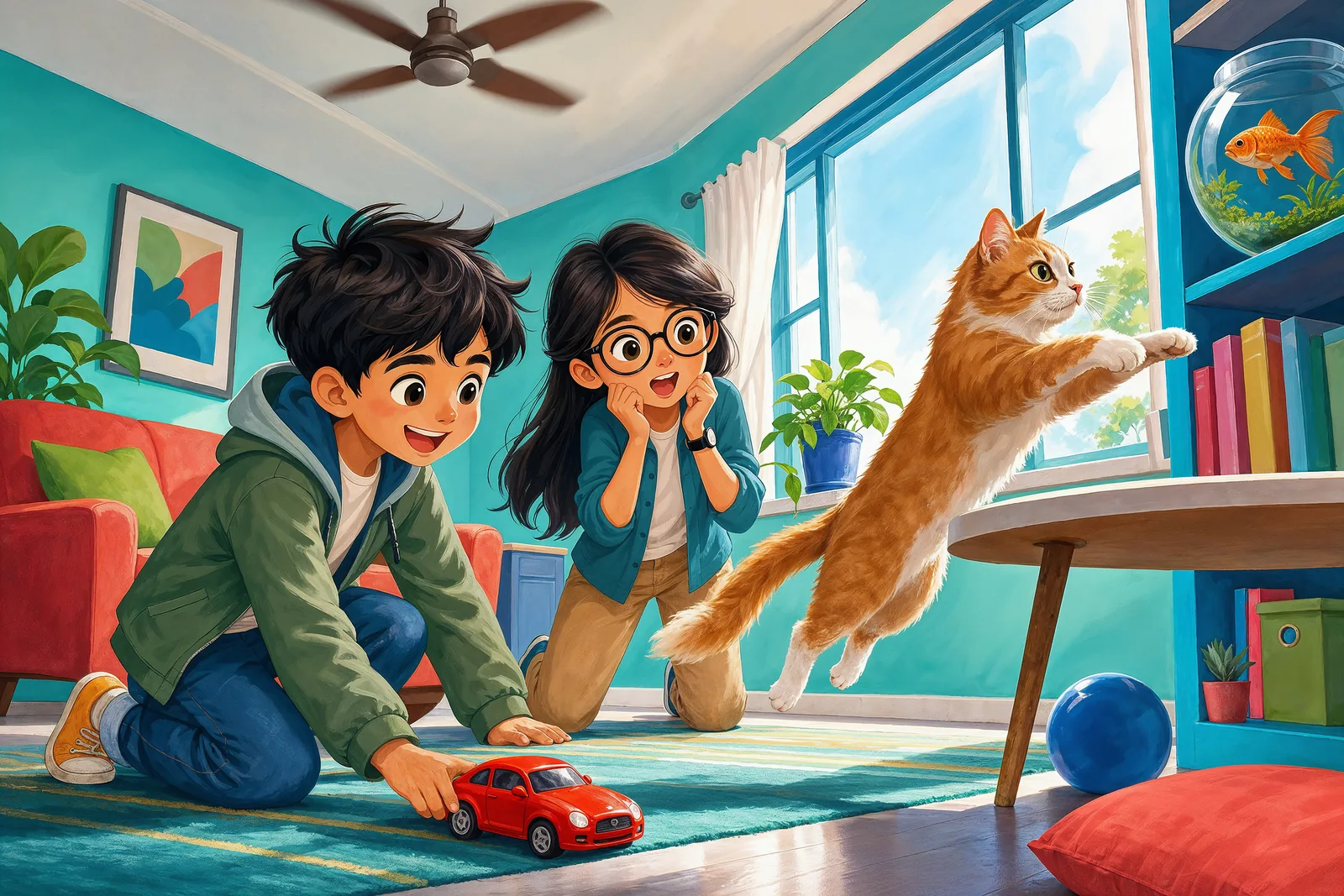
Children at play — spotting what is living and what is not.
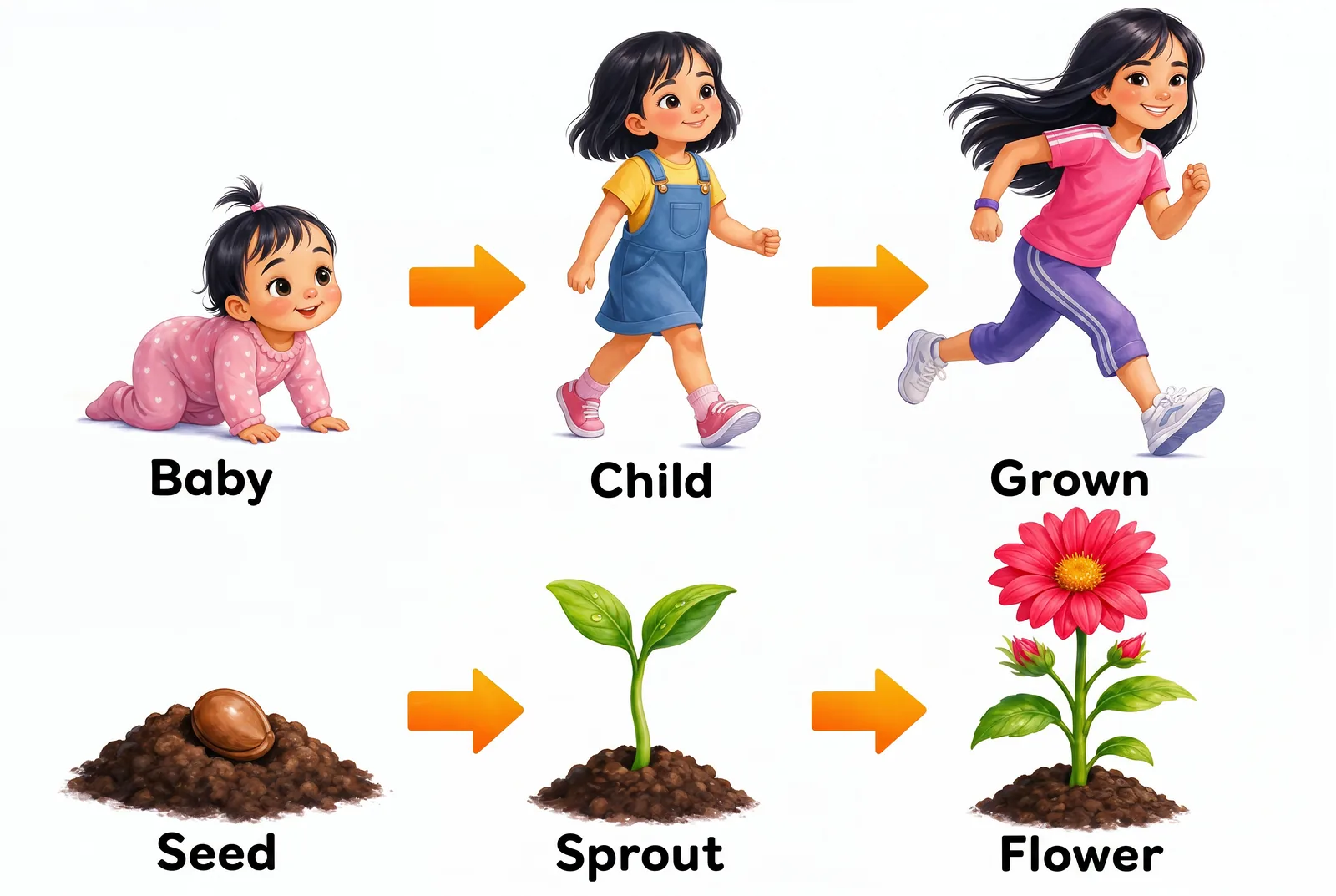
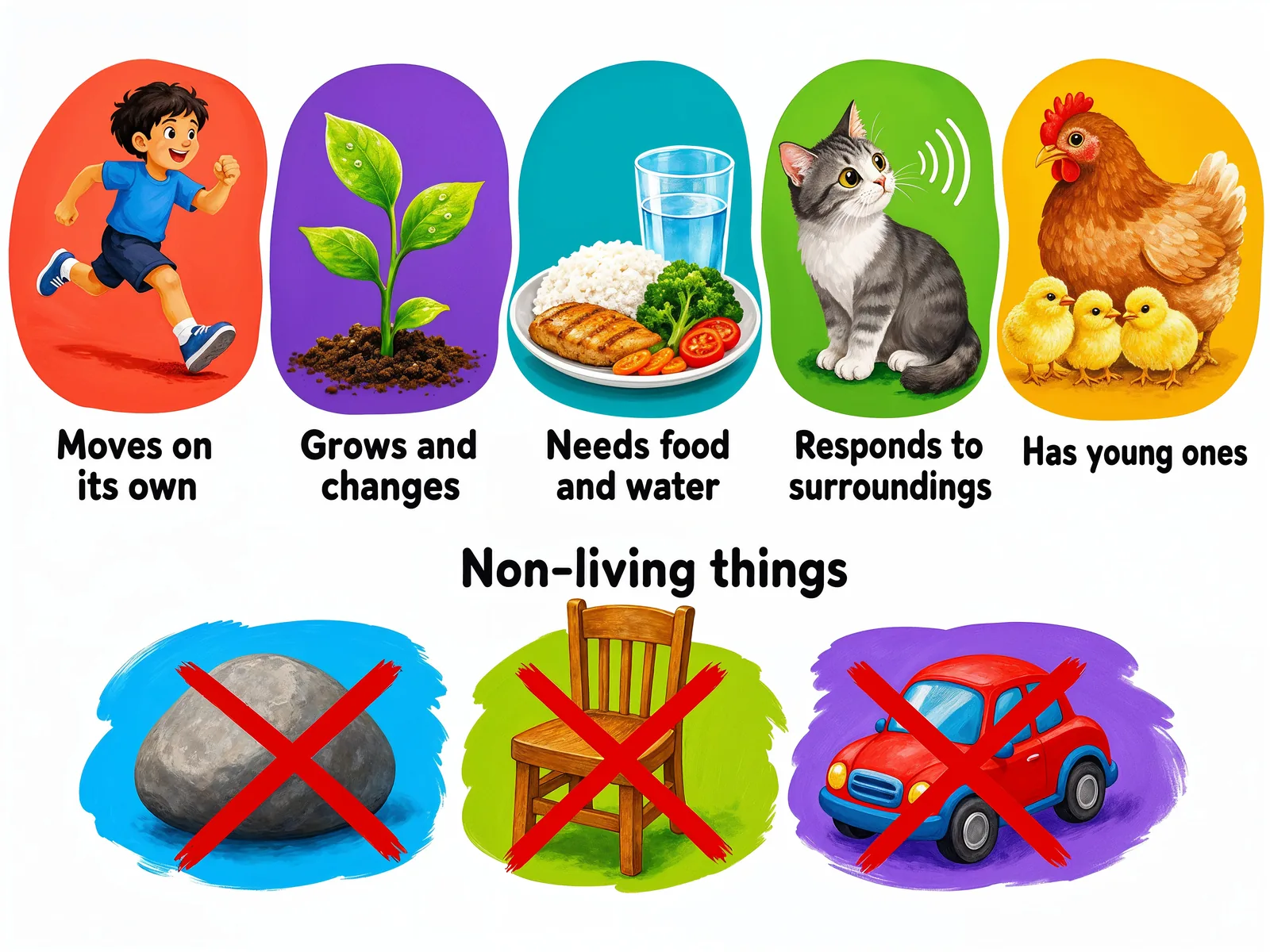
Living things grow and change — baby to adult, seed to flower.
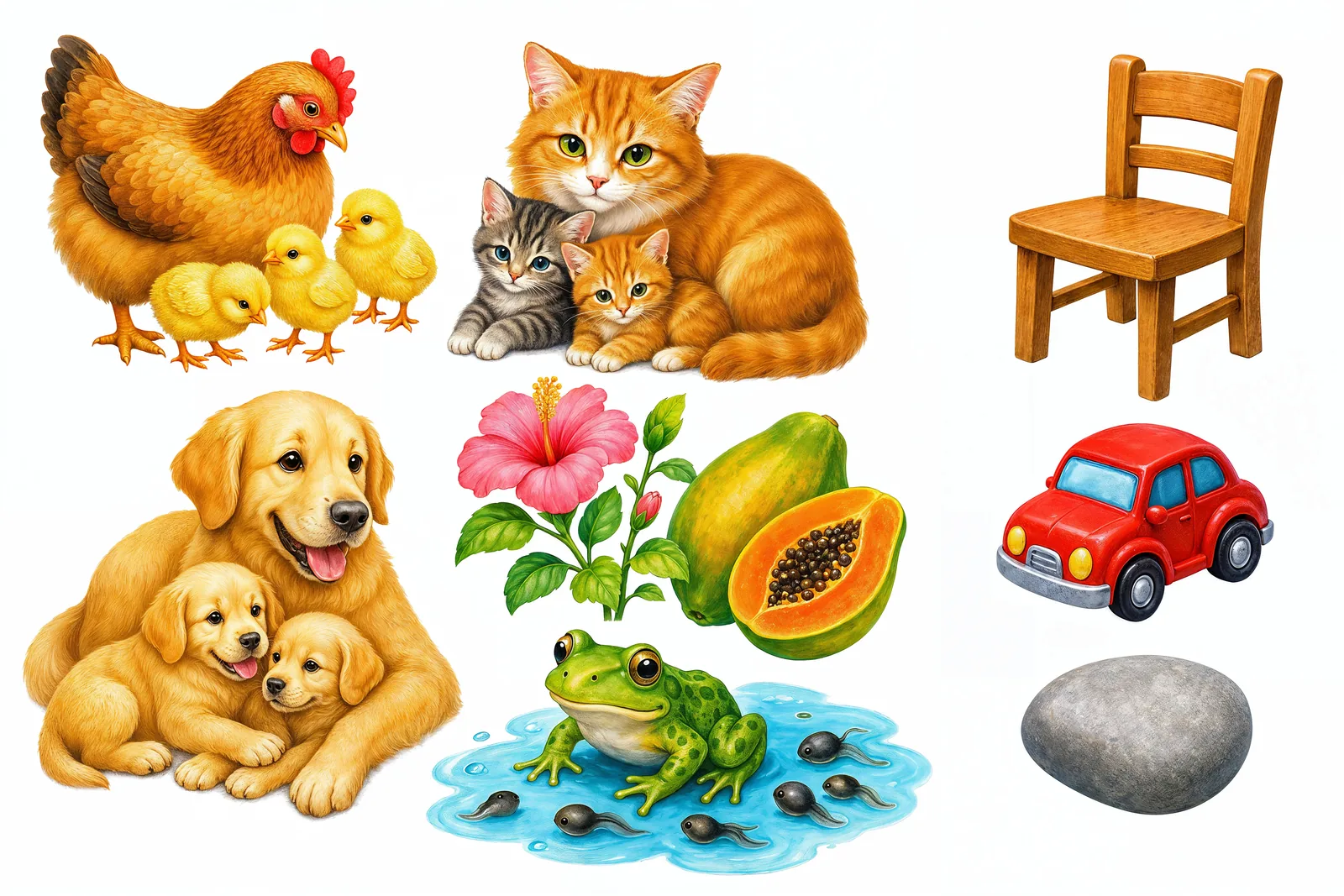
Living things have young ones of their own.
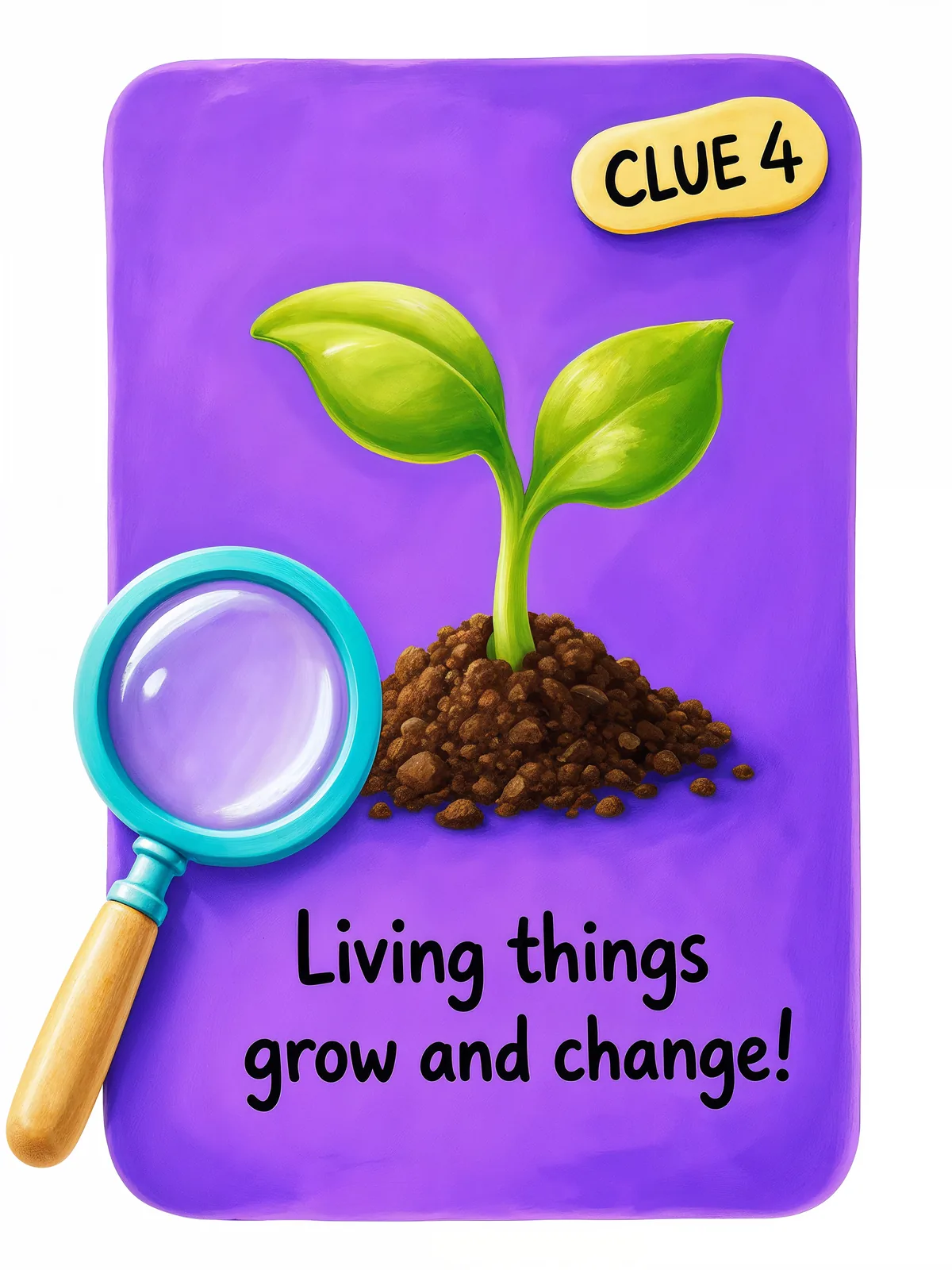
A teaching card — living things grow and change.
The signs of life that tell living things from non-living.
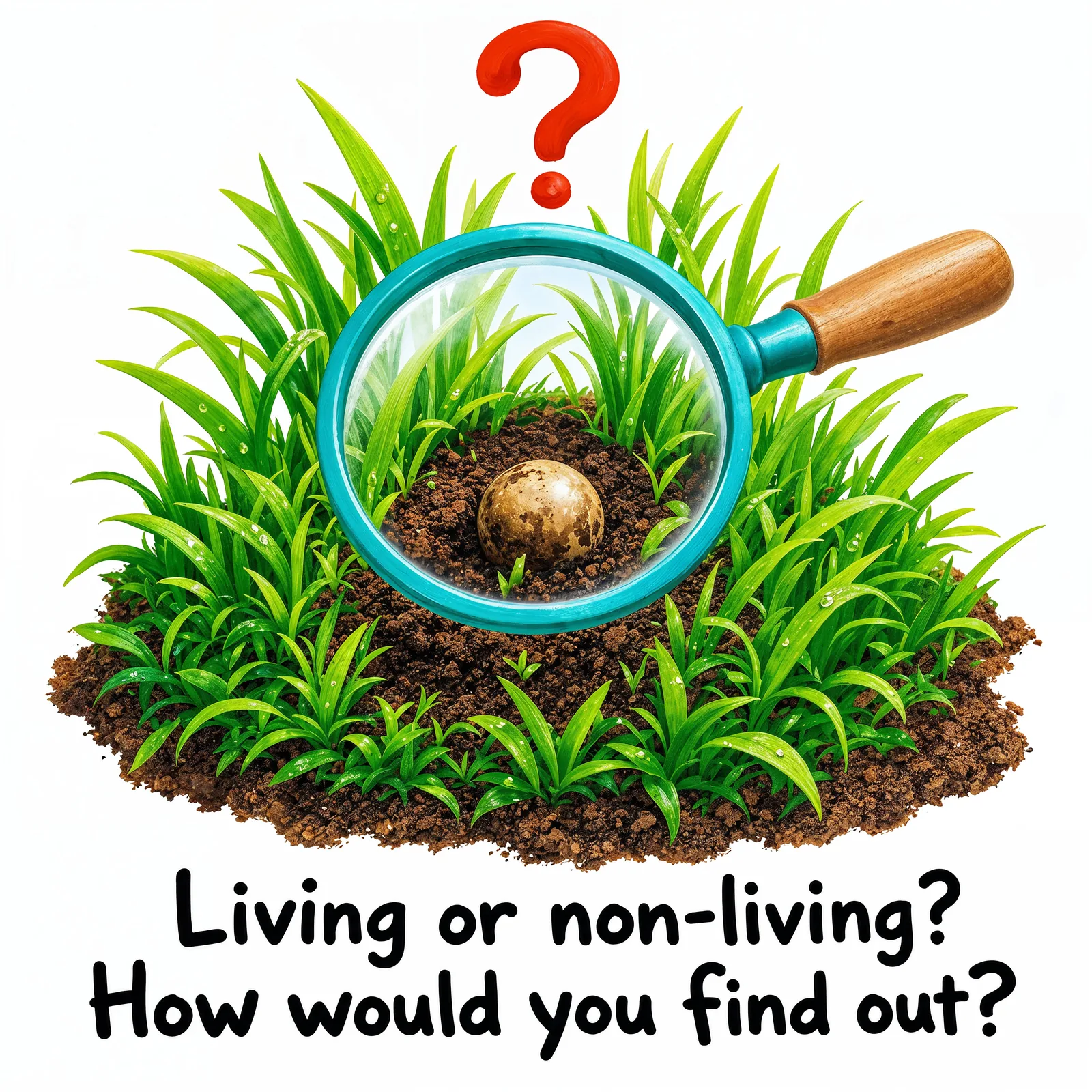
Living or non-living? A little detective work to find out.
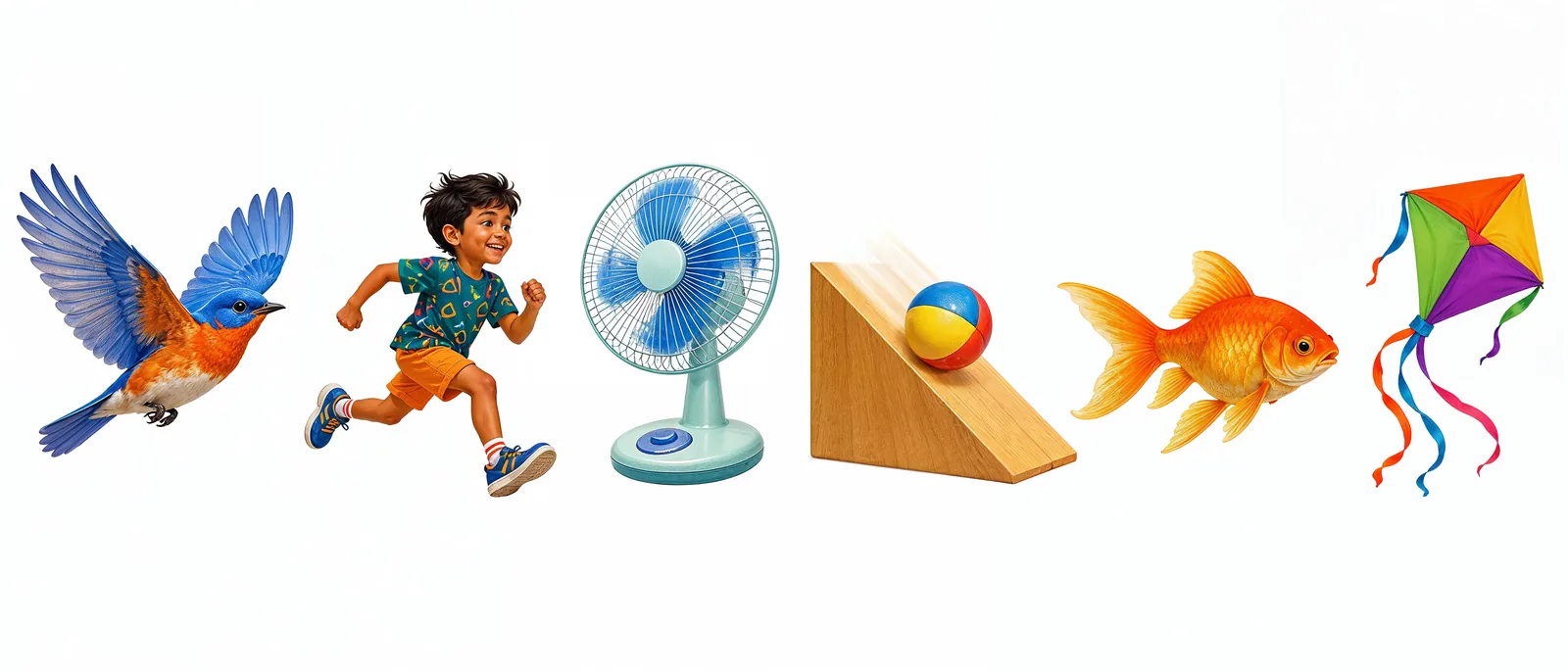
Tricky cases — some non-living things move too.

Chapter 10 — What Does Our Body Need?
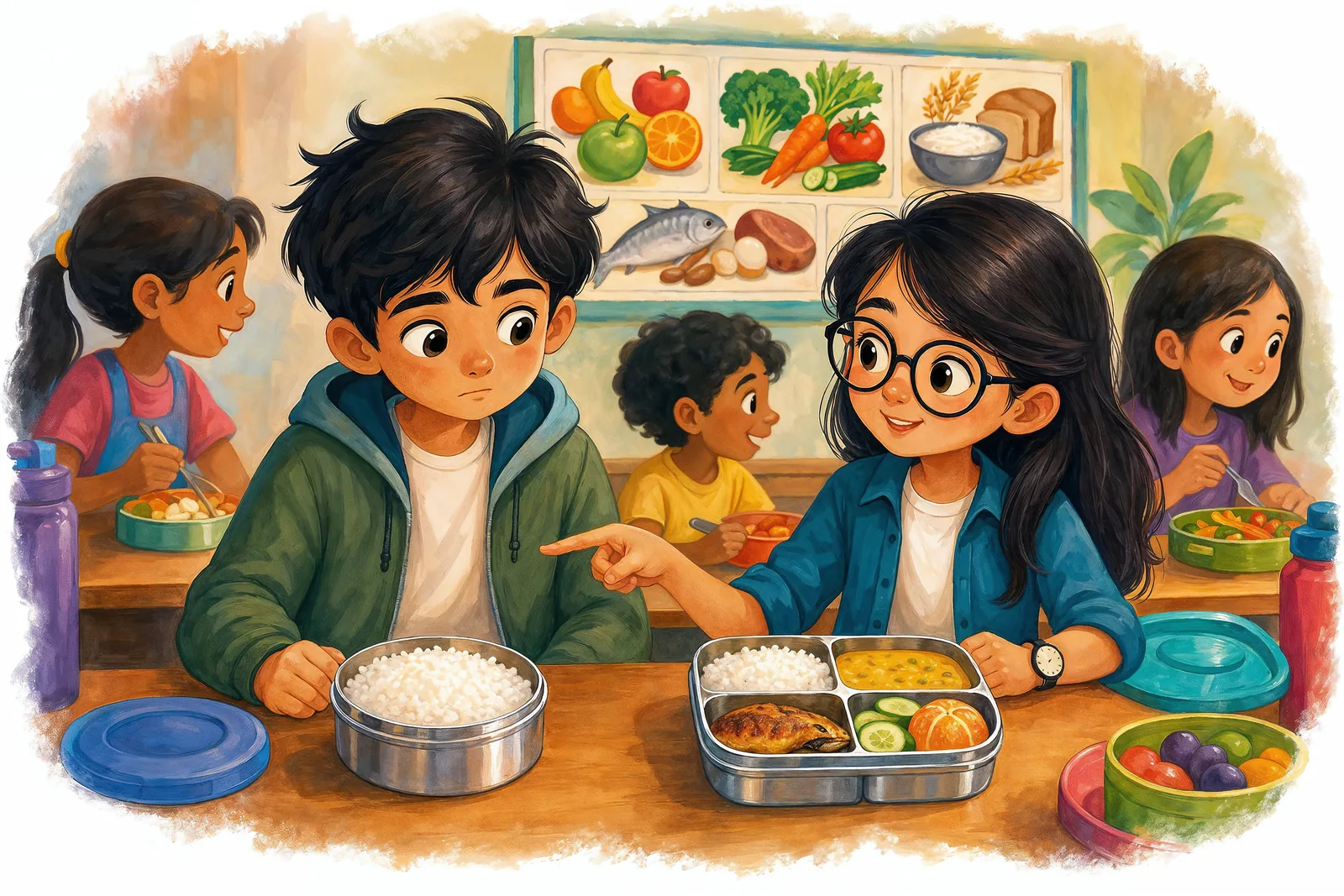
Friends sharing a healthy school lunch together.
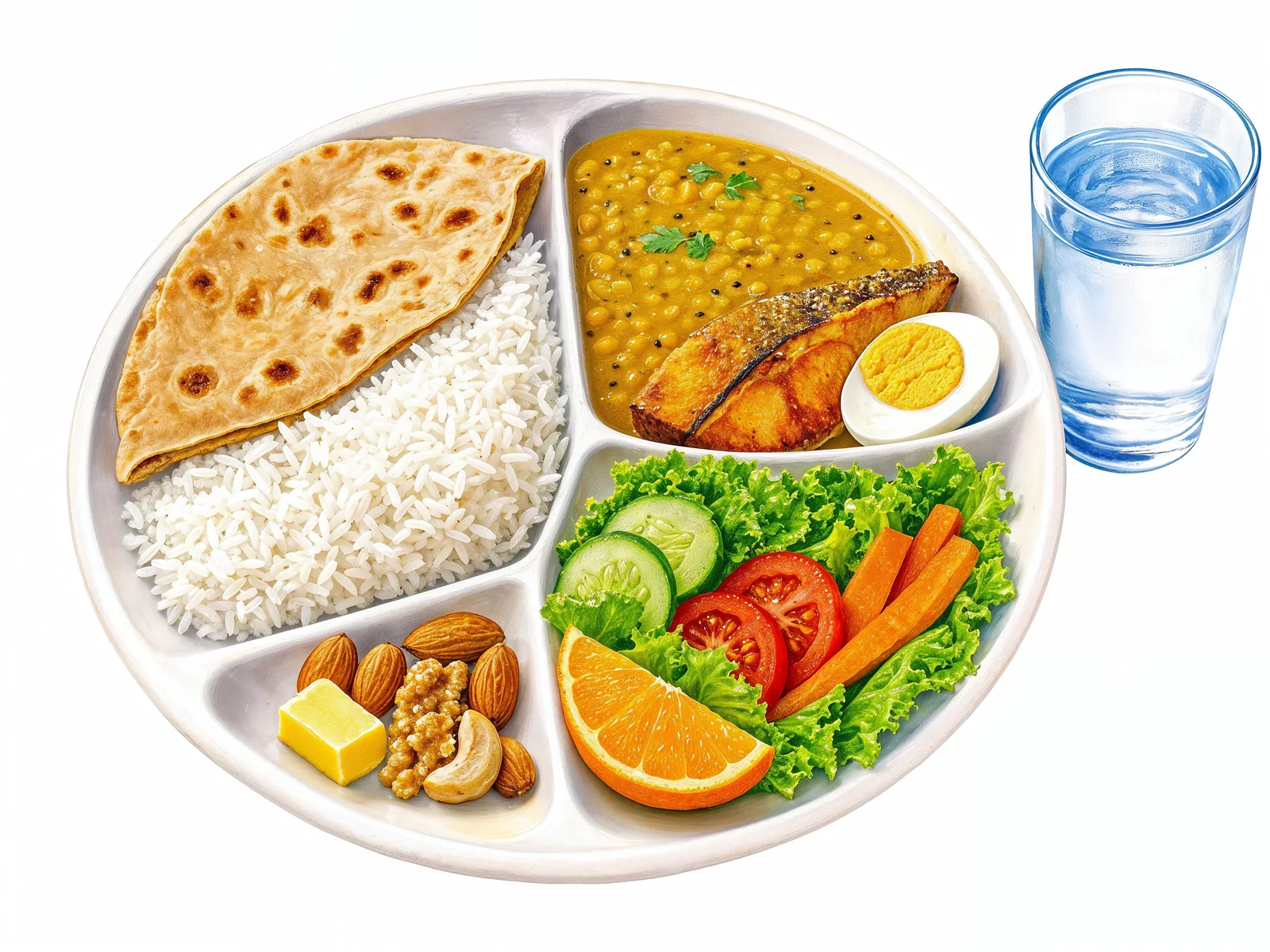
A balanced plate — the right mix from every food group.
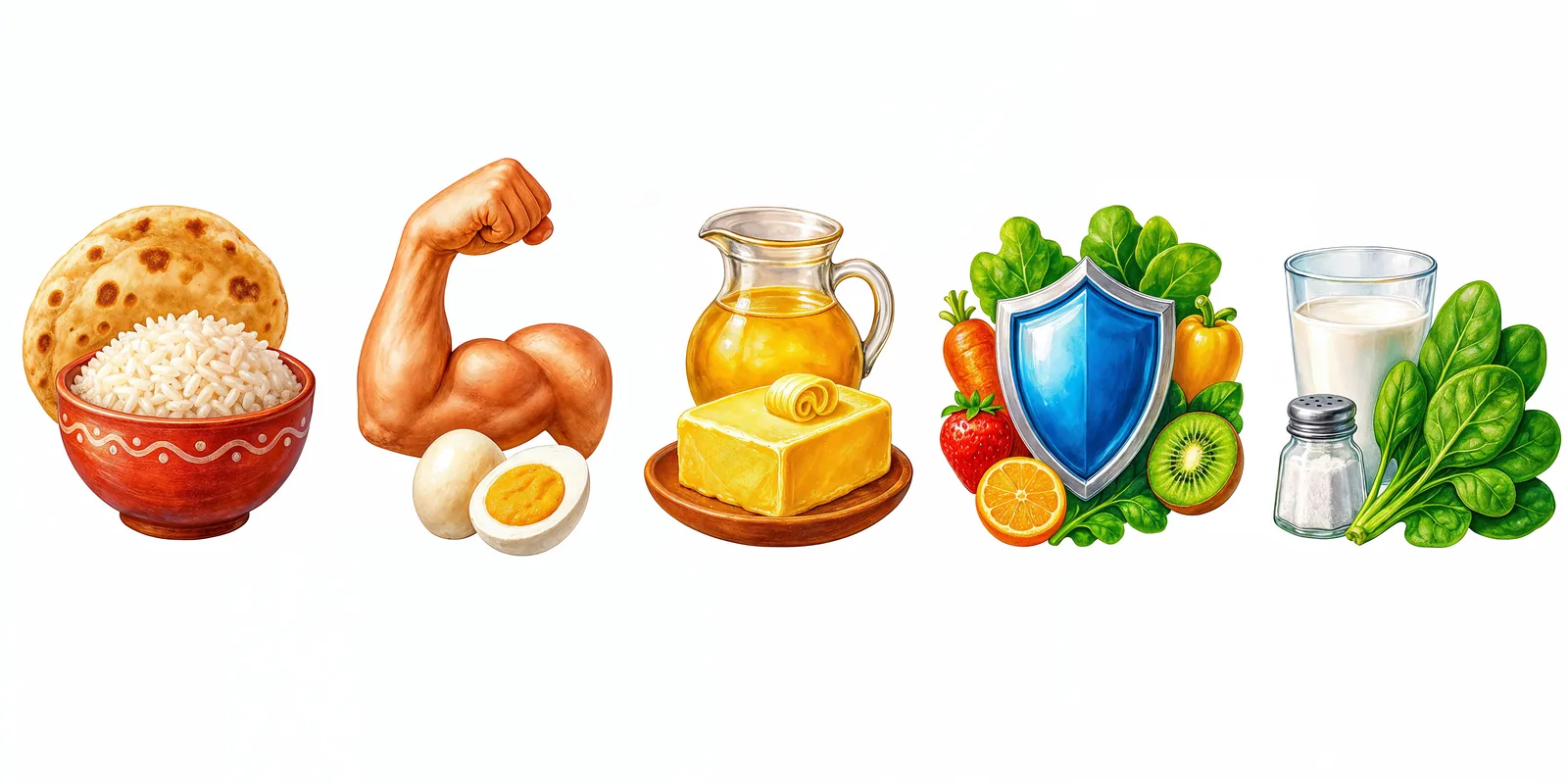
The main nutrients our body needs to stay strong.
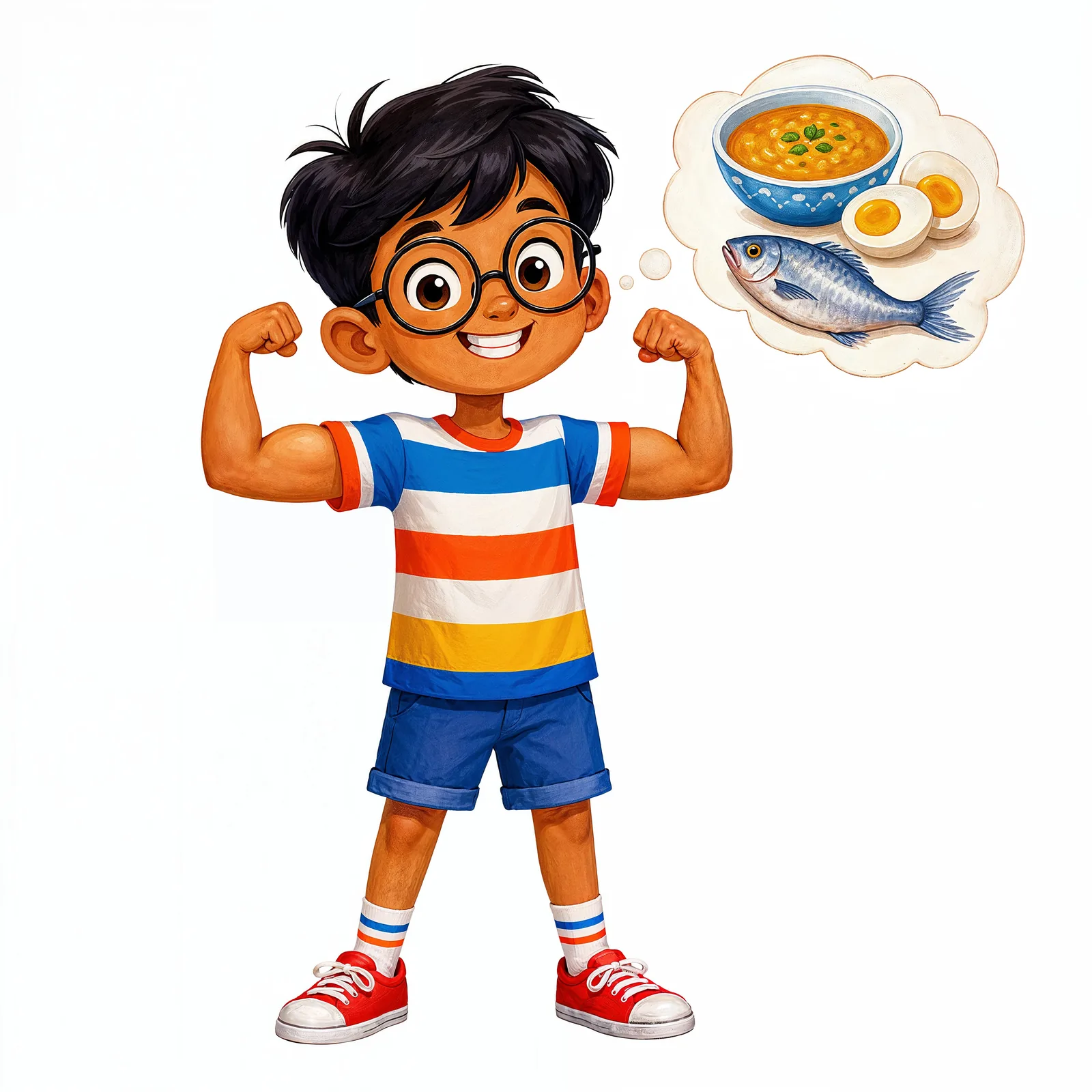
Proteins help build strong muscles as we grow.
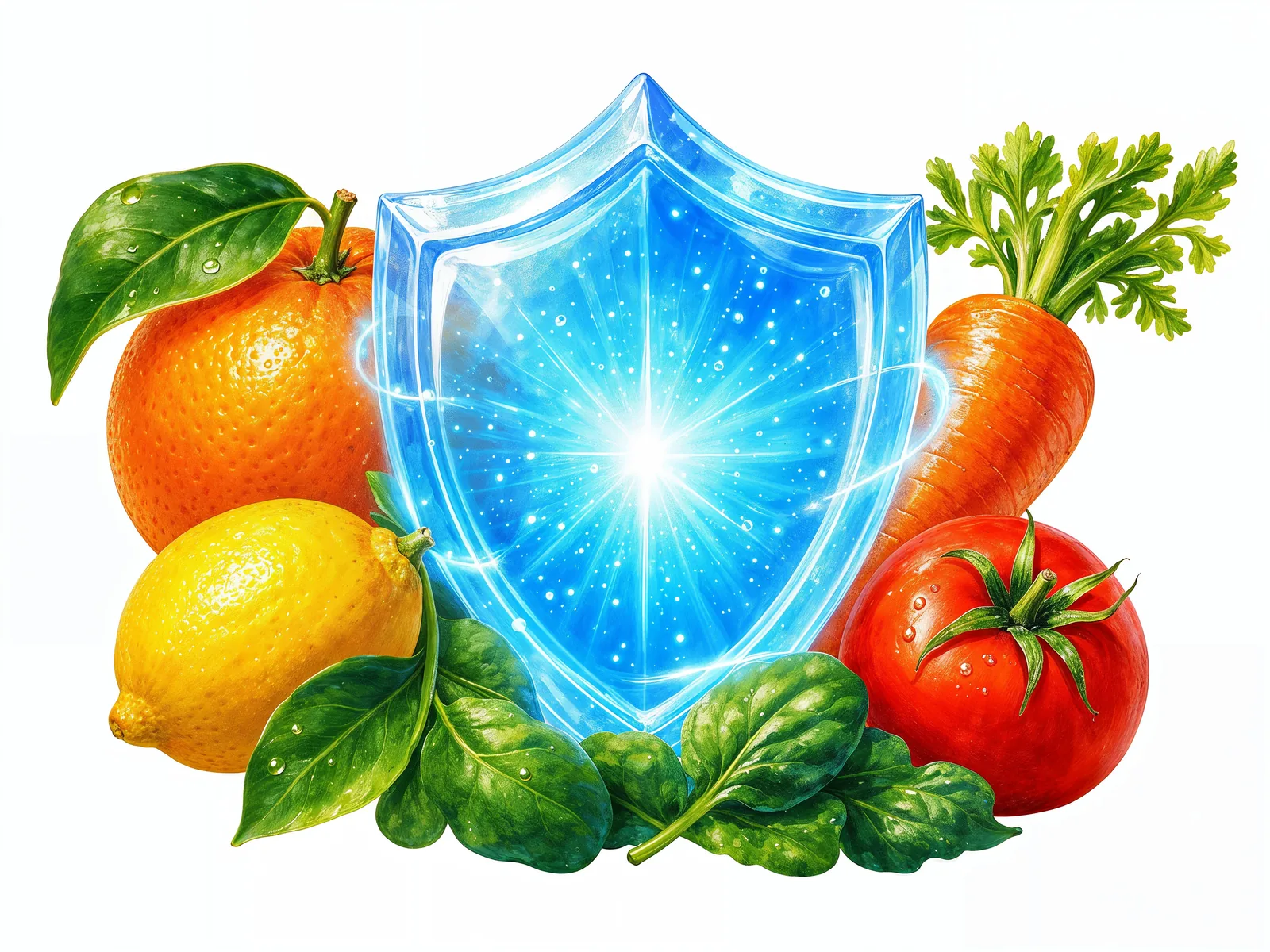
Vitamins act like a shield, protecting us from illness.
Water — the drink that keeps our whole body running.
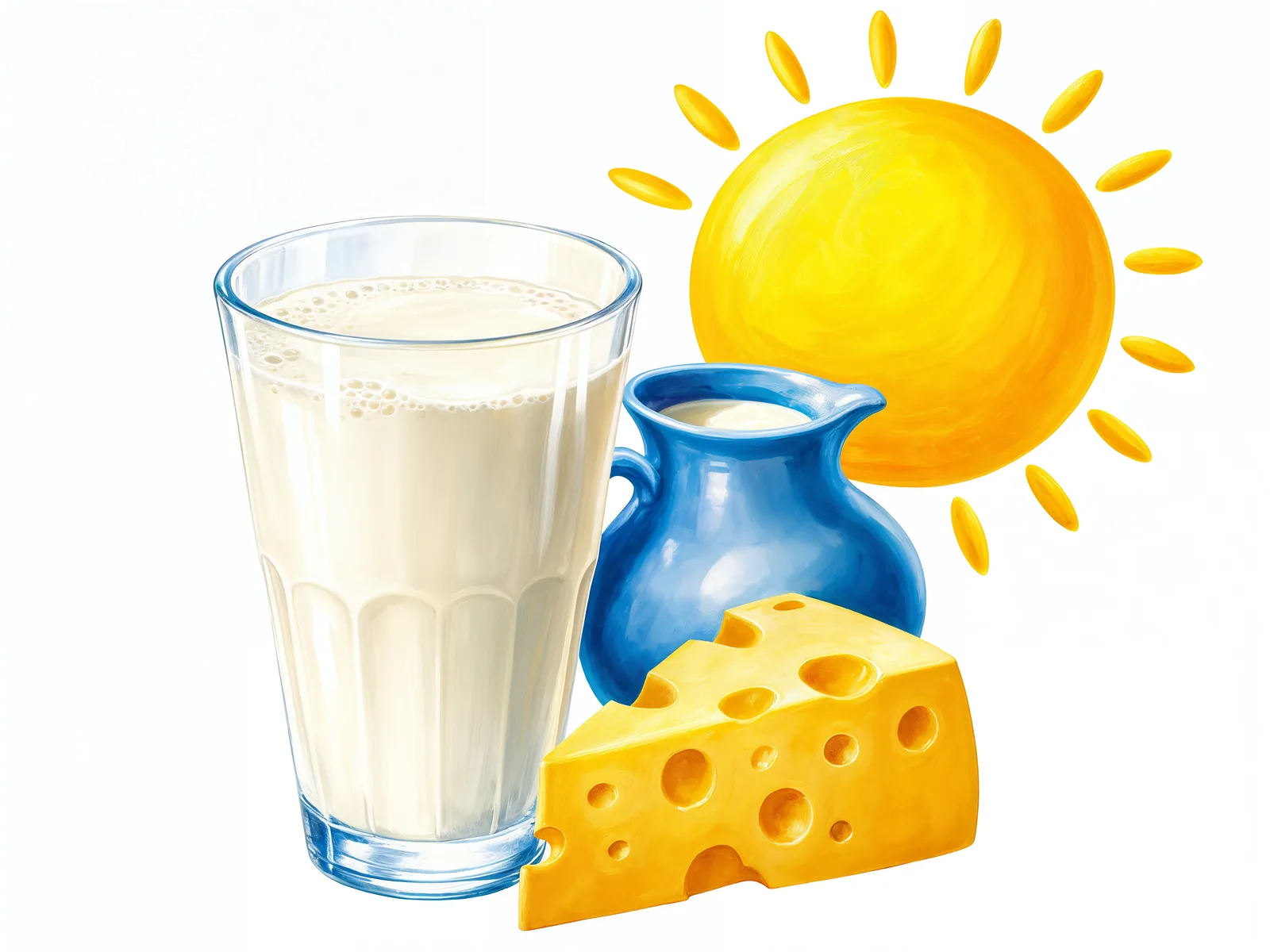
Milk and sunshine give us Vitamin D for strong bones.
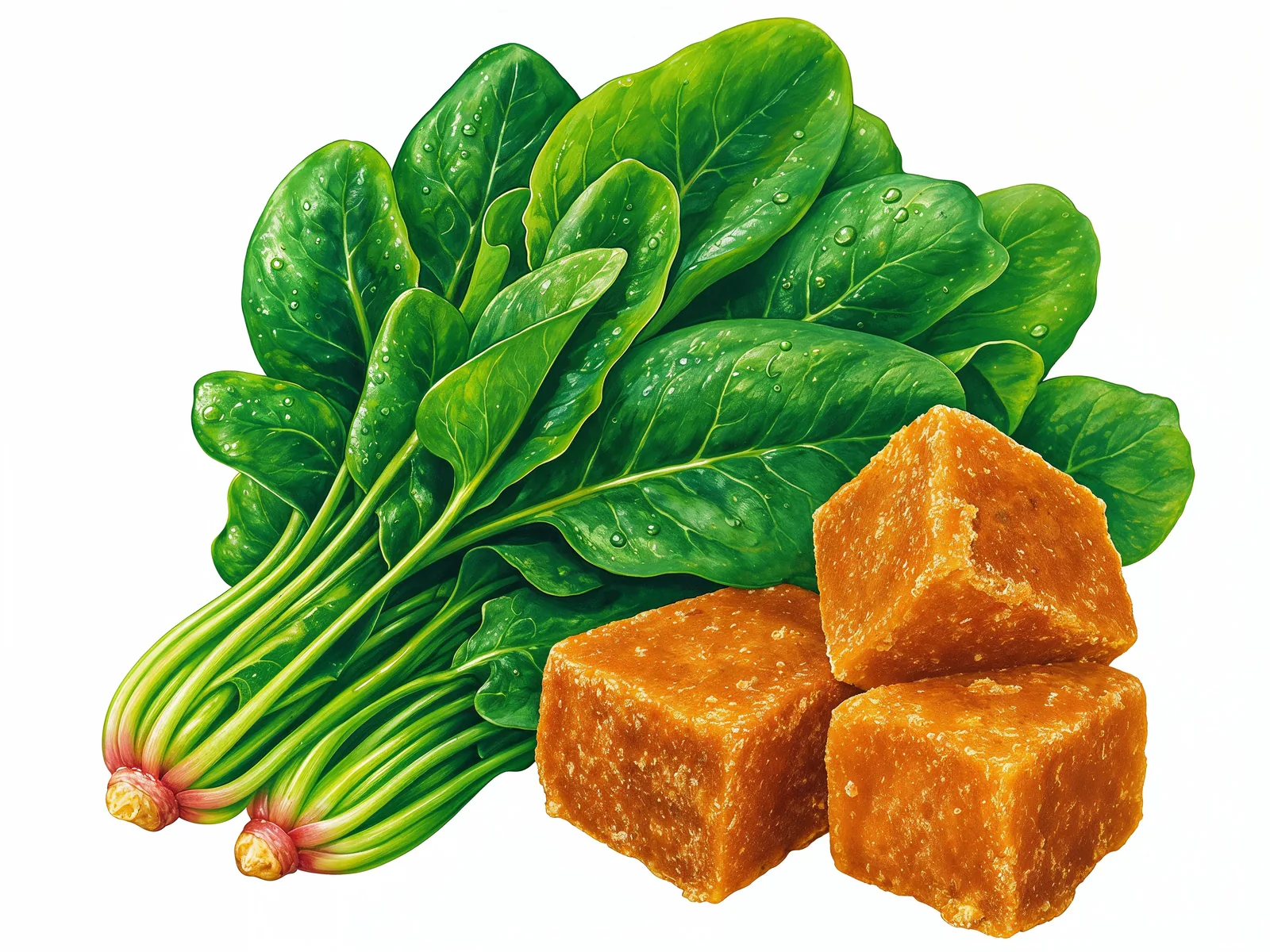
Iron-rich foods like spinach and jaggery keep our blood healthy.

Chapter 11 — How Does My Body Work?
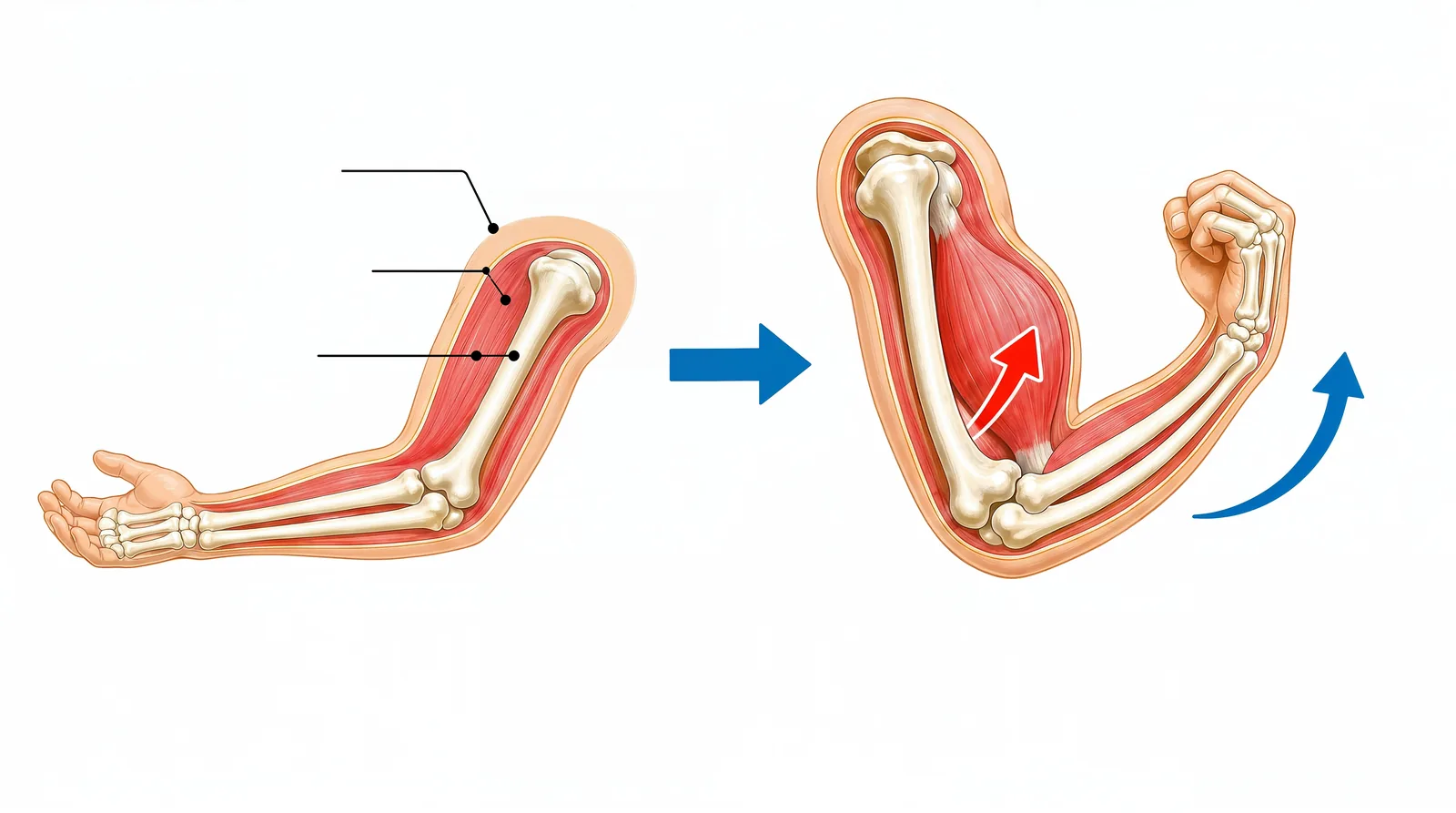
How the arm bends — muscles pulling on bones at a joint.
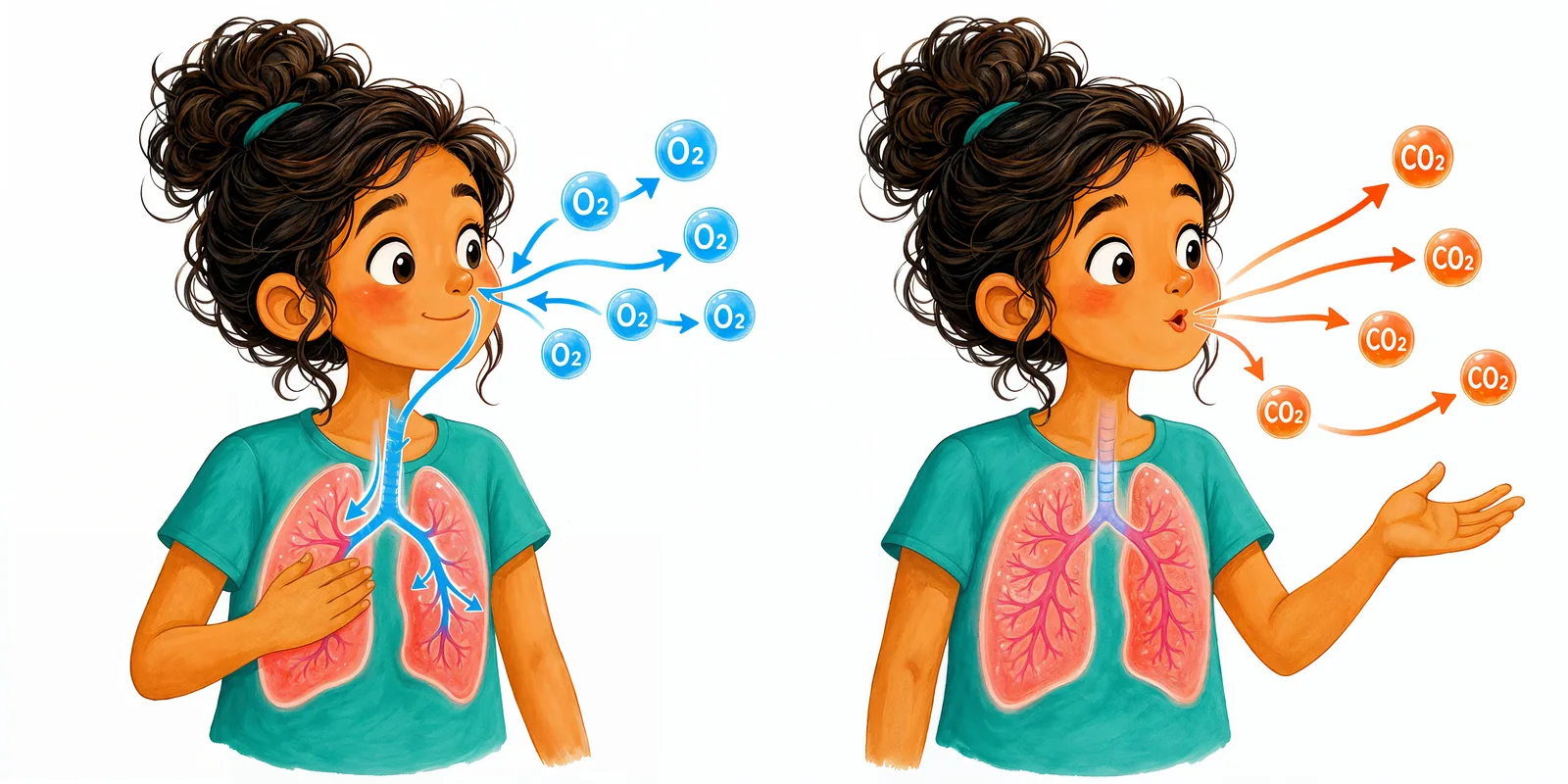
Breathing in oxygen and breathing out carbon dioxide.
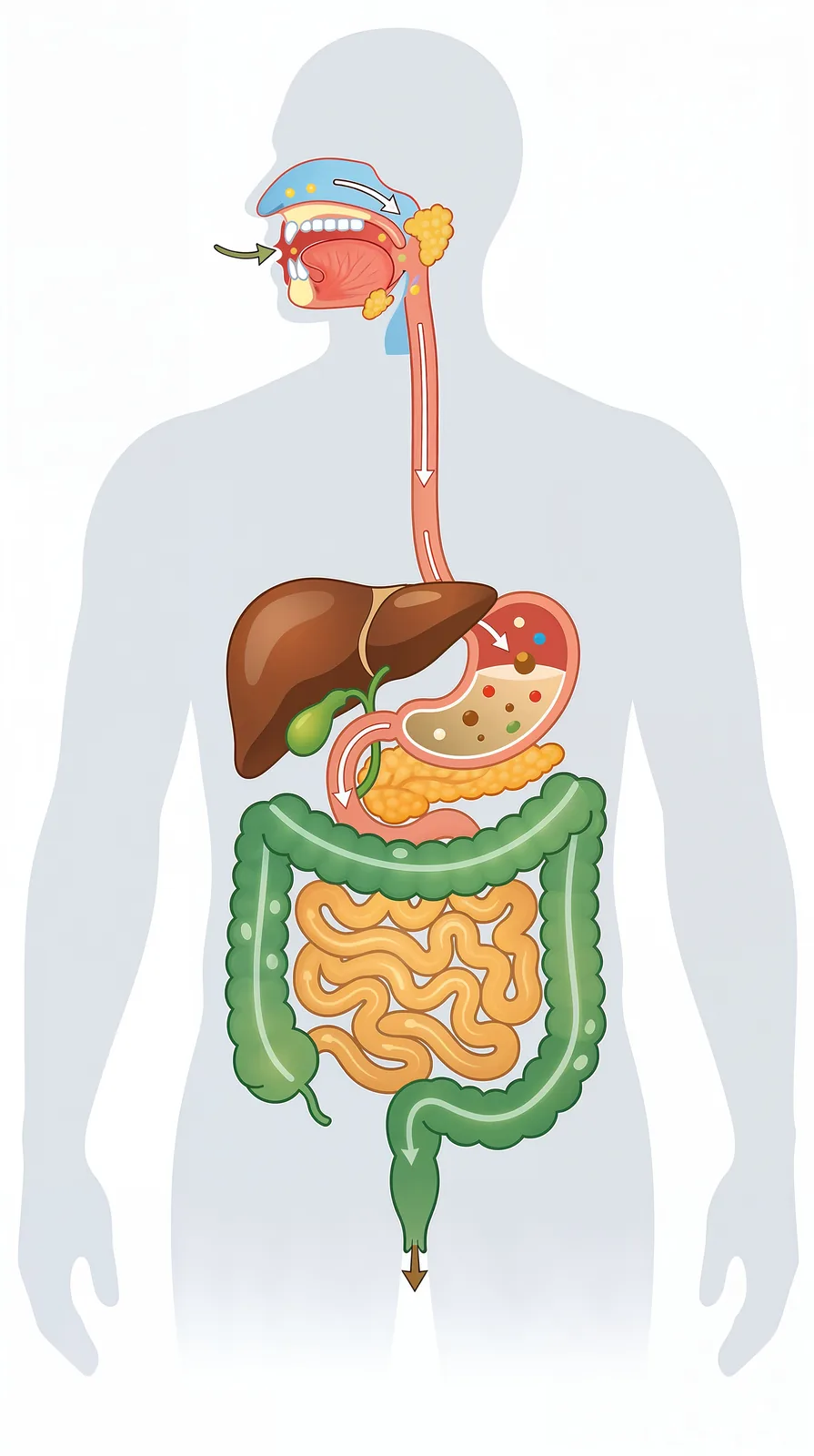
The journey of food through the digestive system.
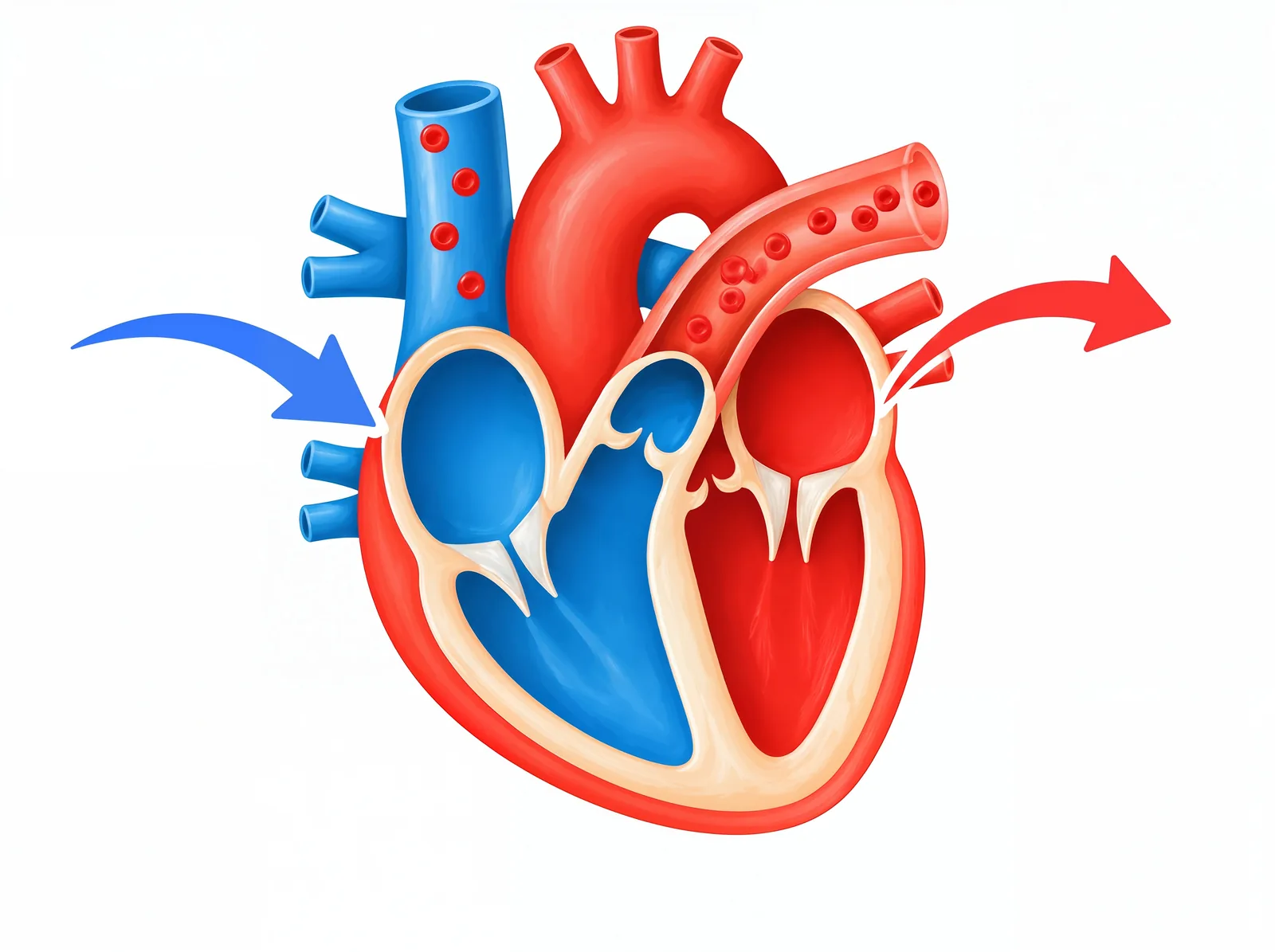
The heart — pumping blood all around the body.
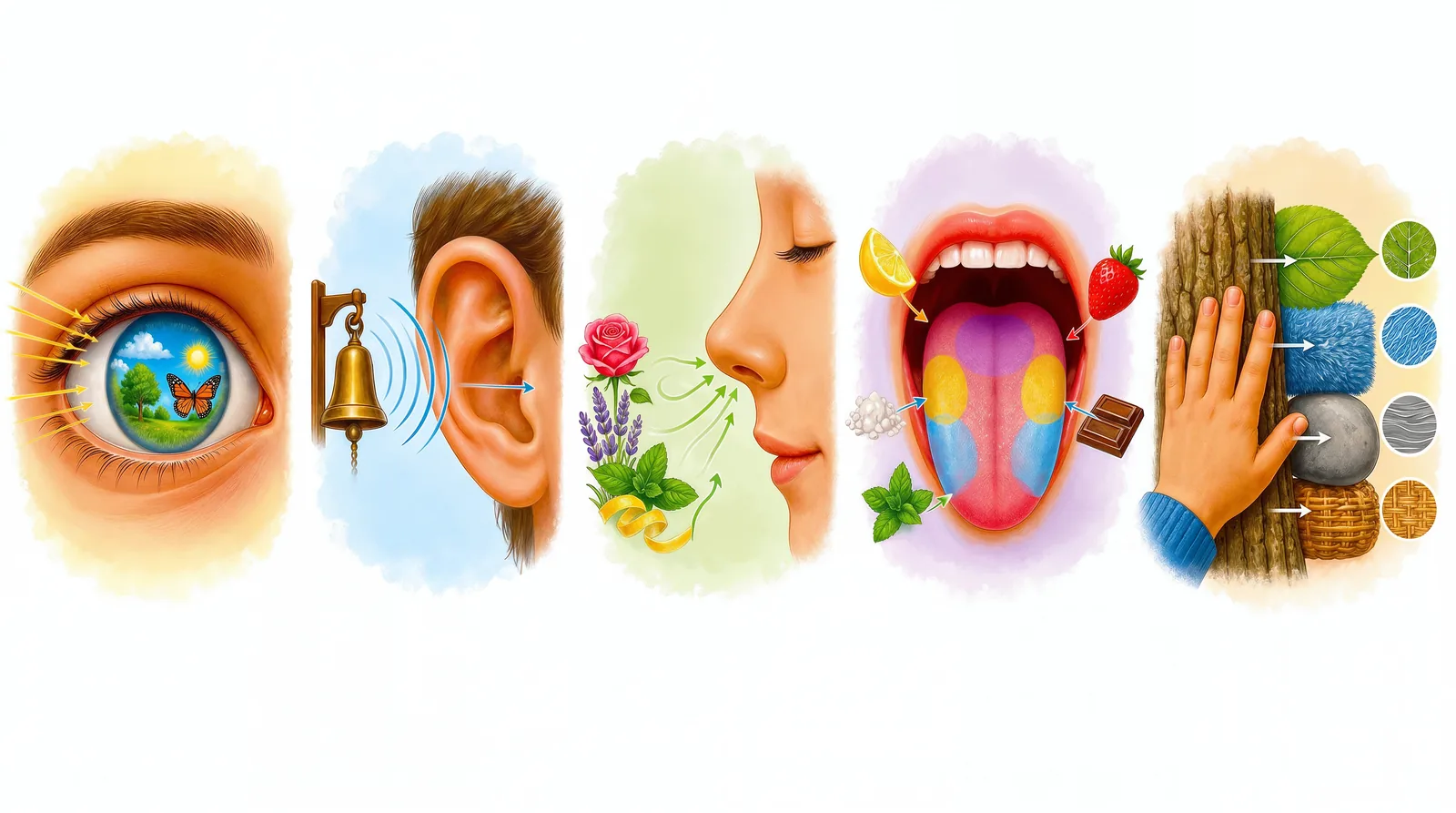
The five senses — sight, hearing, smell, taste and touch.
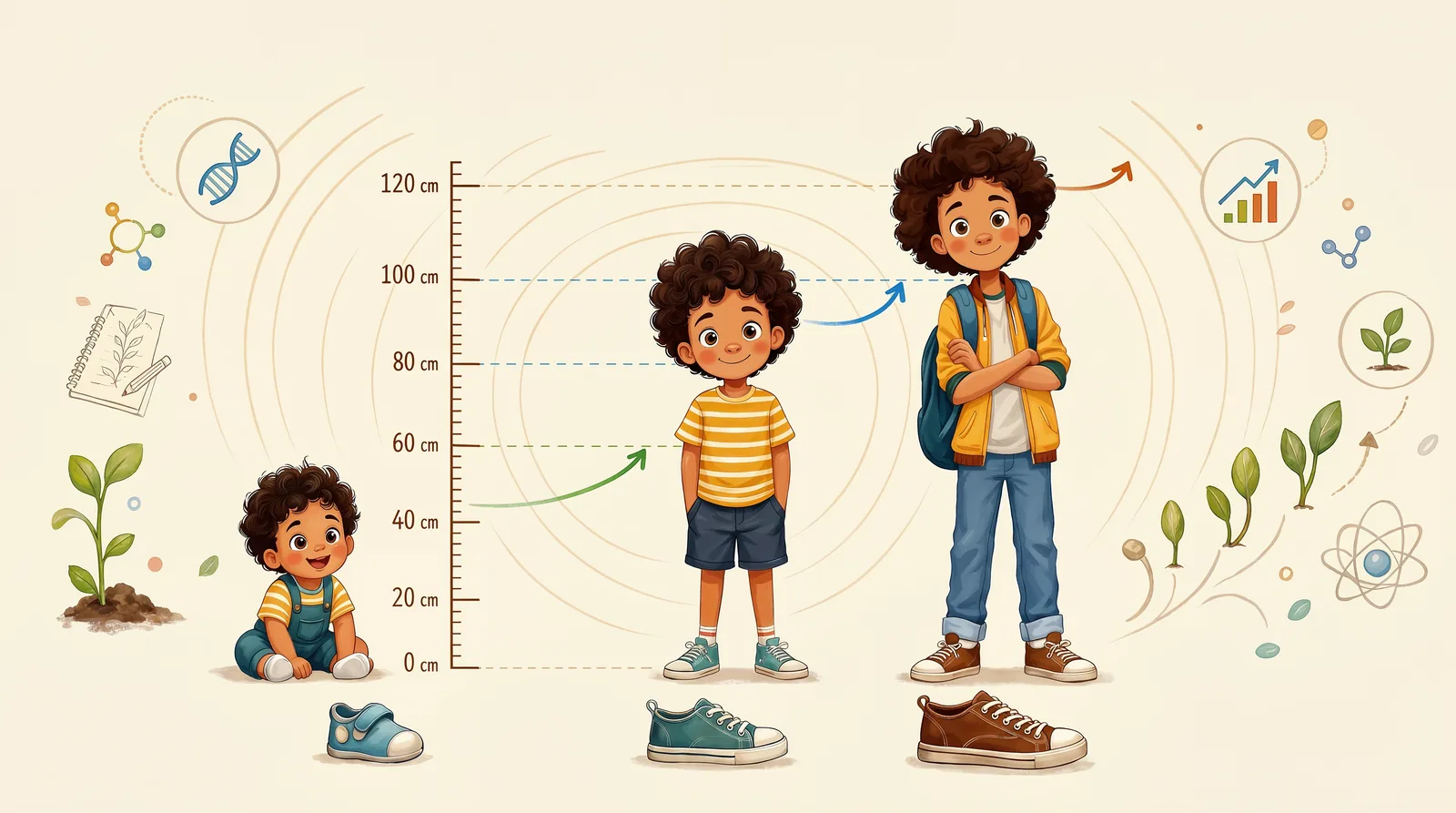
How the body grows from a baby into a young child.
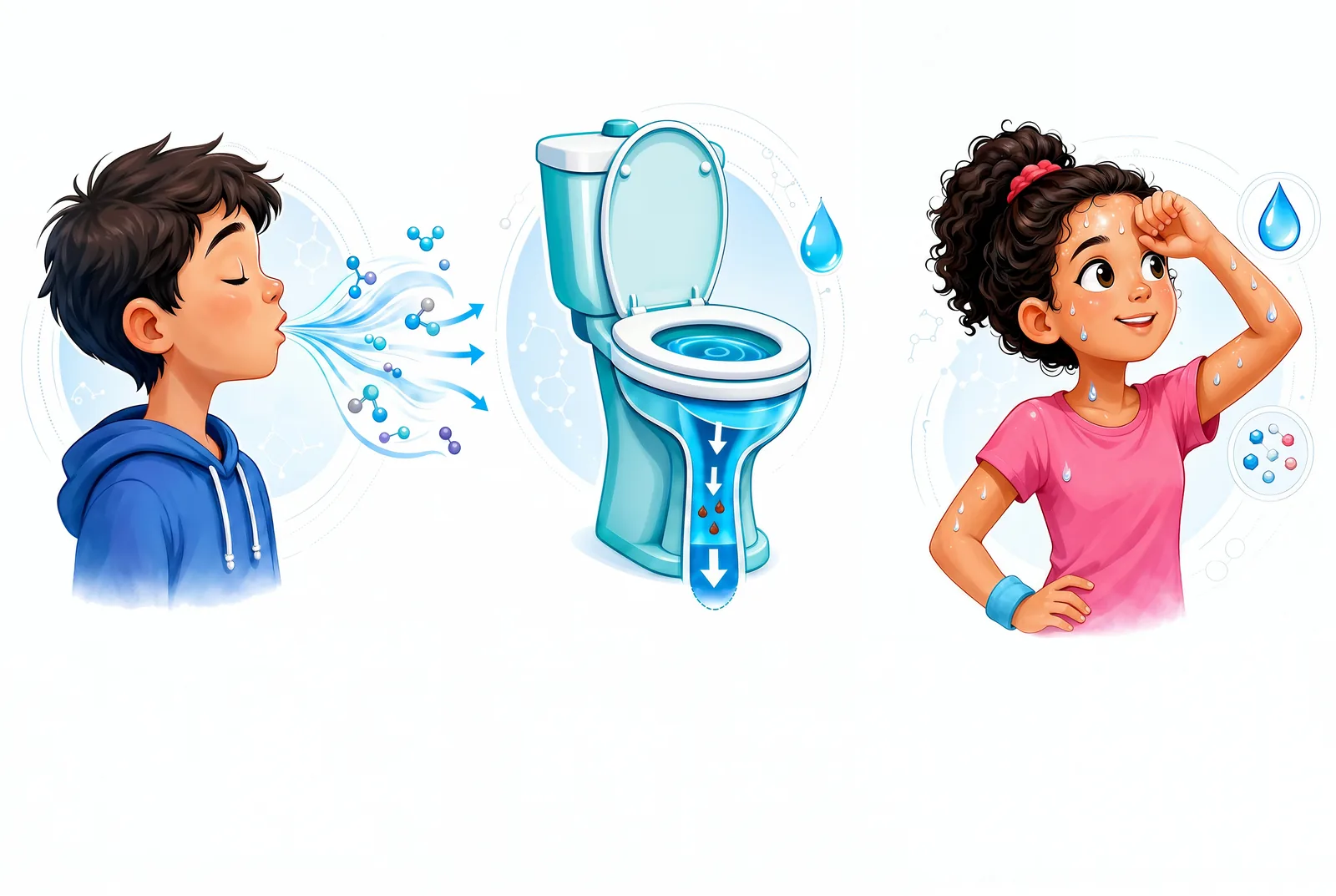
How the body removes waste to stay clean and healthy.

Chapter 12 — Welcome, Young Scientist
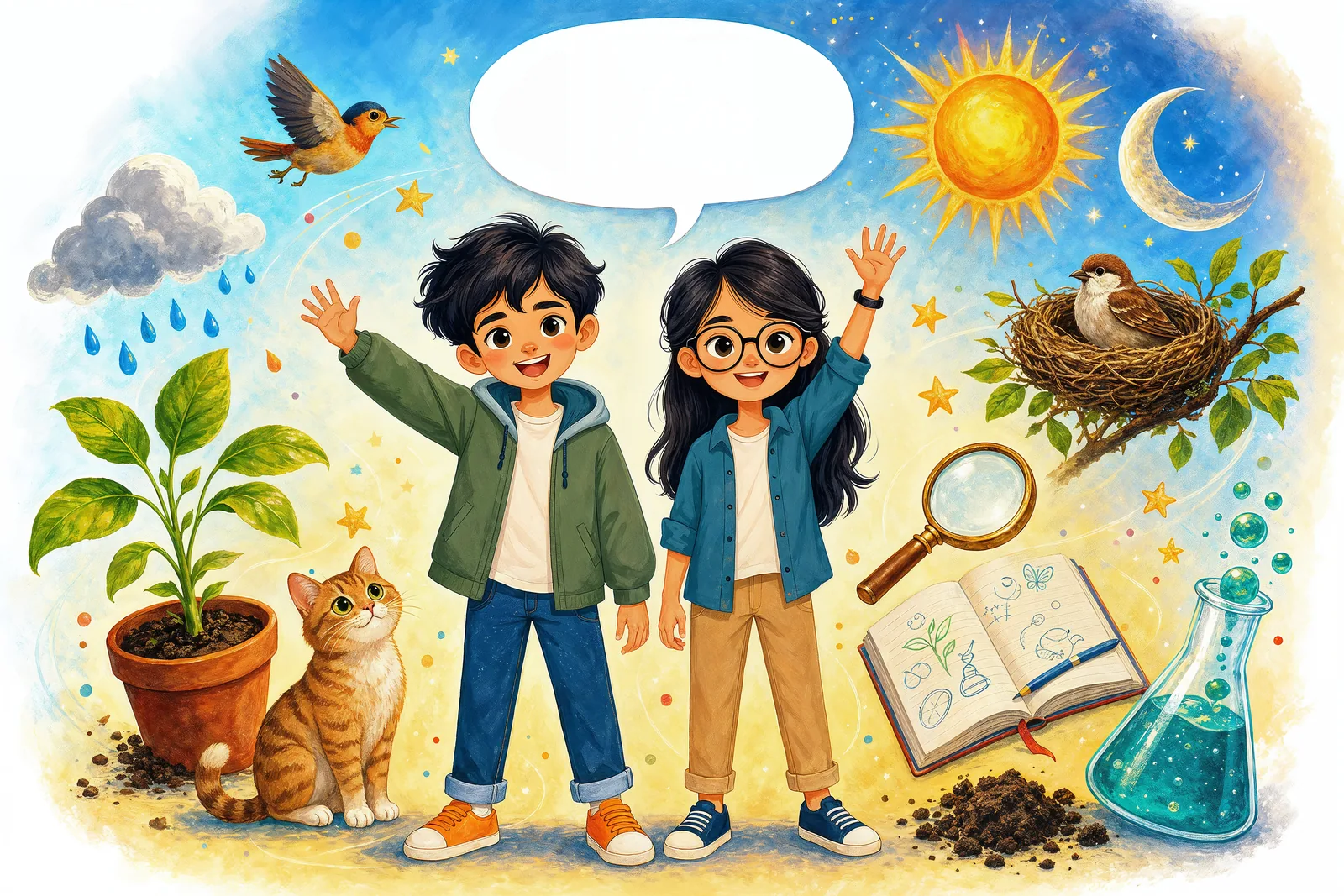
Chapter opener — two young scientists step into the wonders of science.
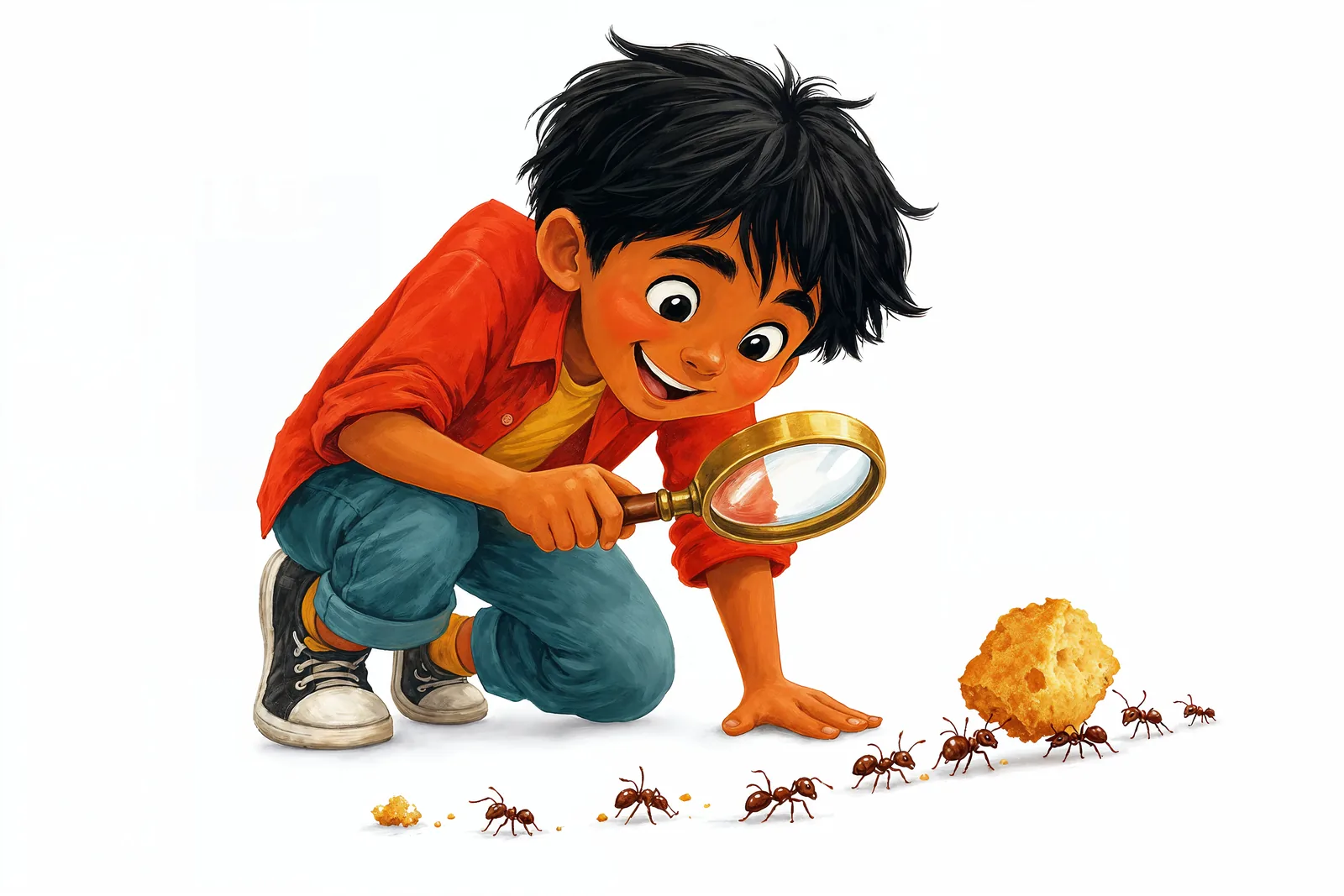
A curious boy watches a line of ants — science begins with noticing.
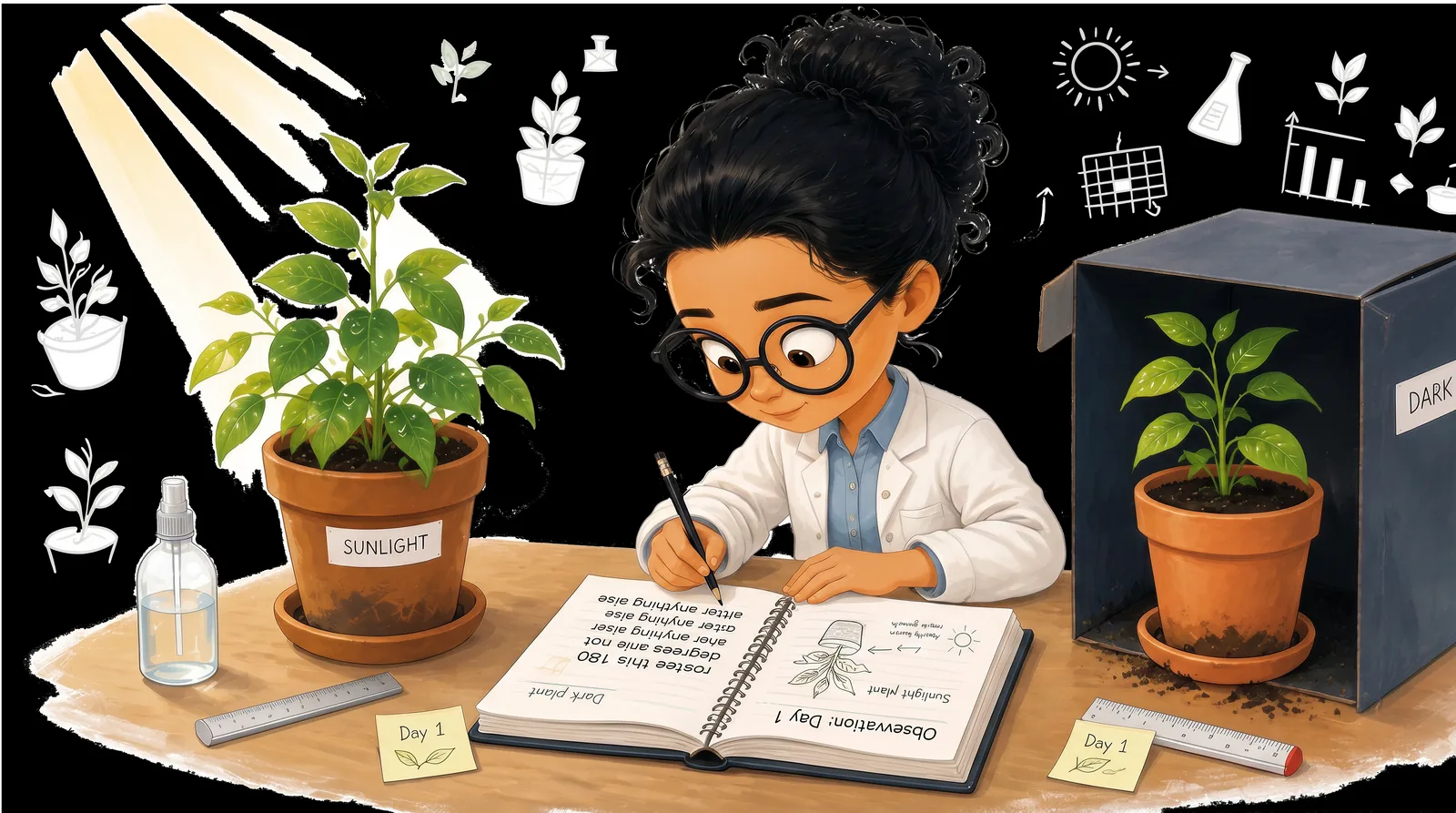
A simple experiment: does a plant grow towards the light?
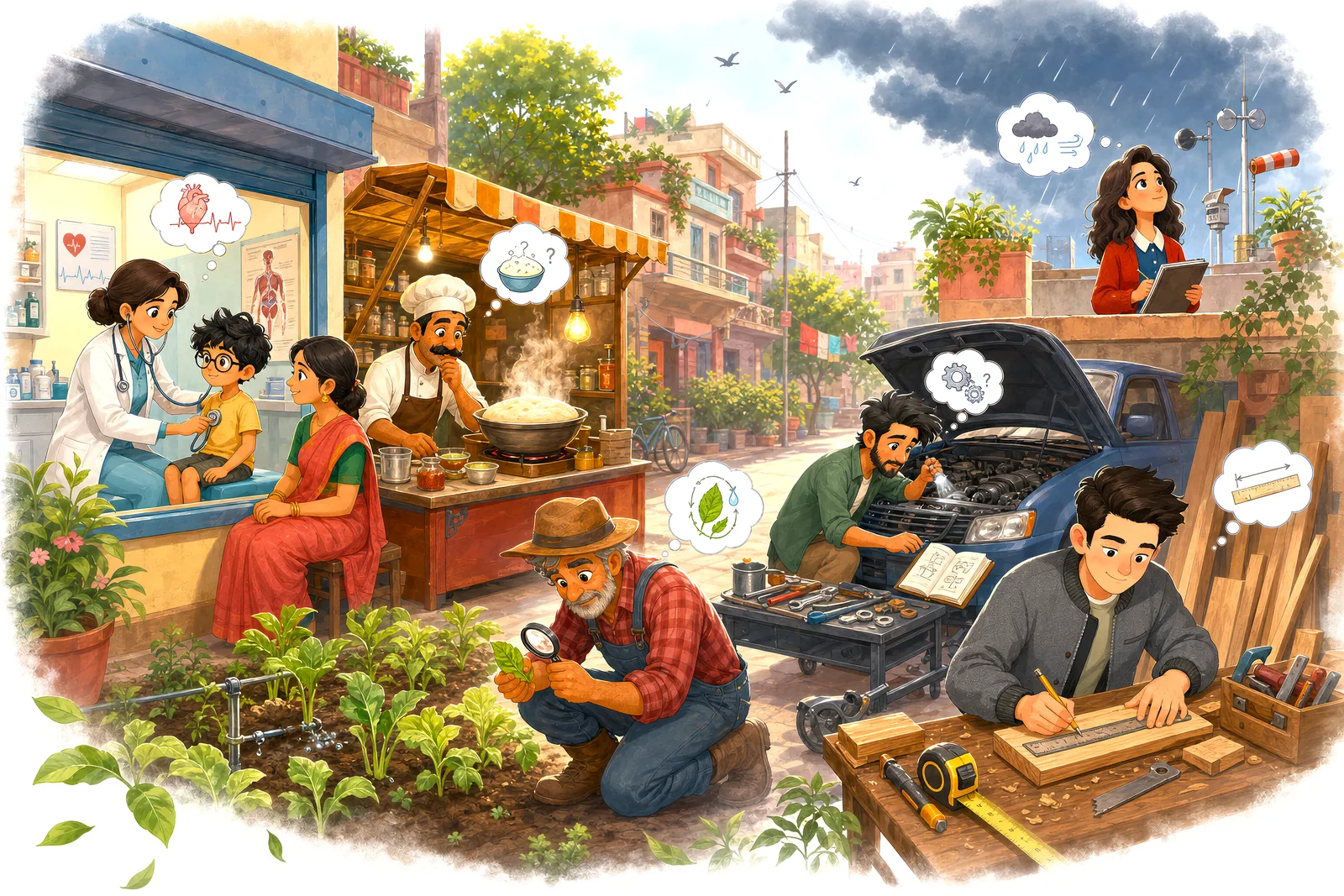
Science is everywhere — doctors, chefs, farmers and mechanics all use it.
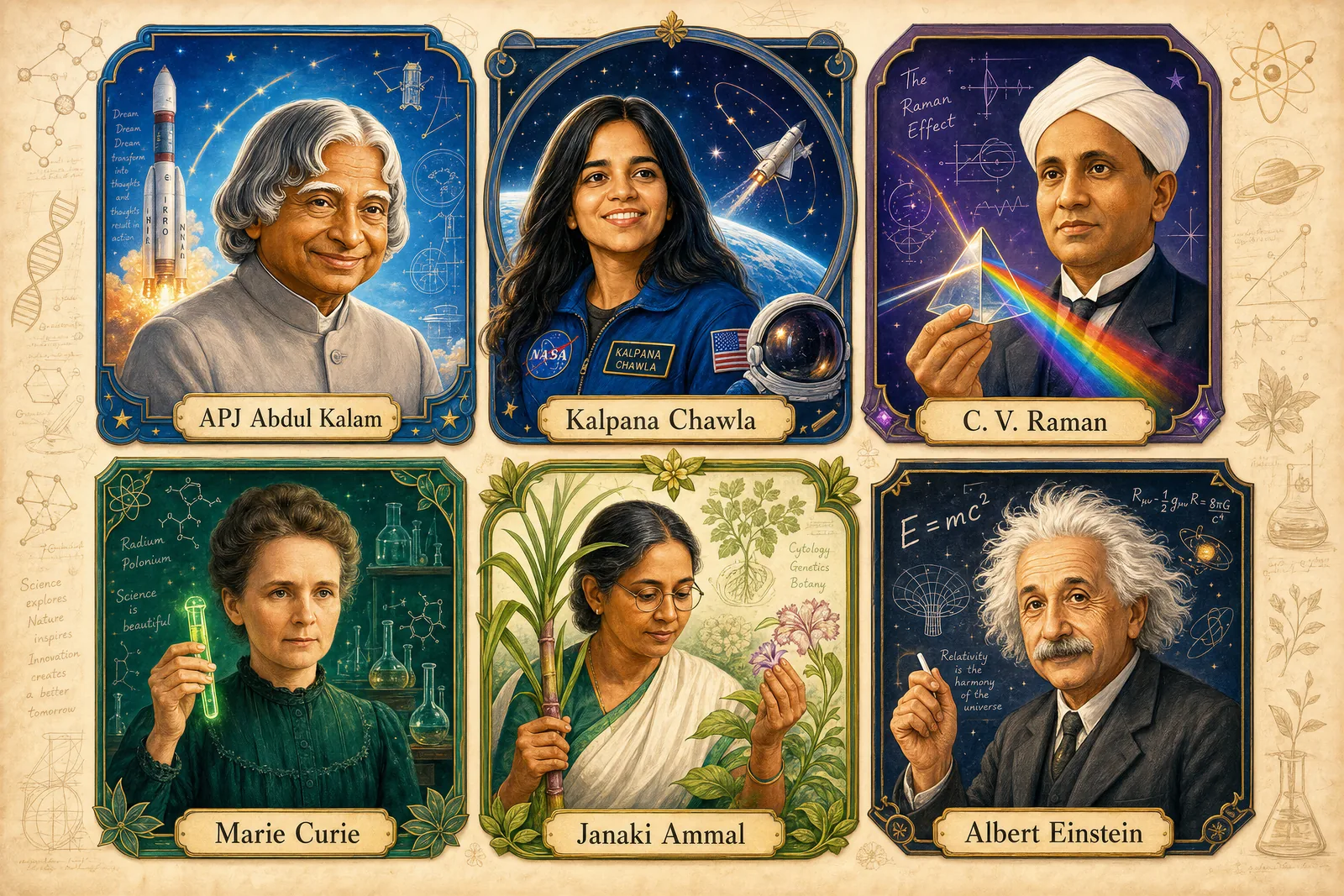
Great scientists — Kalam, Kalpana Chawla, C. V. Raman, Marie Curie and more.
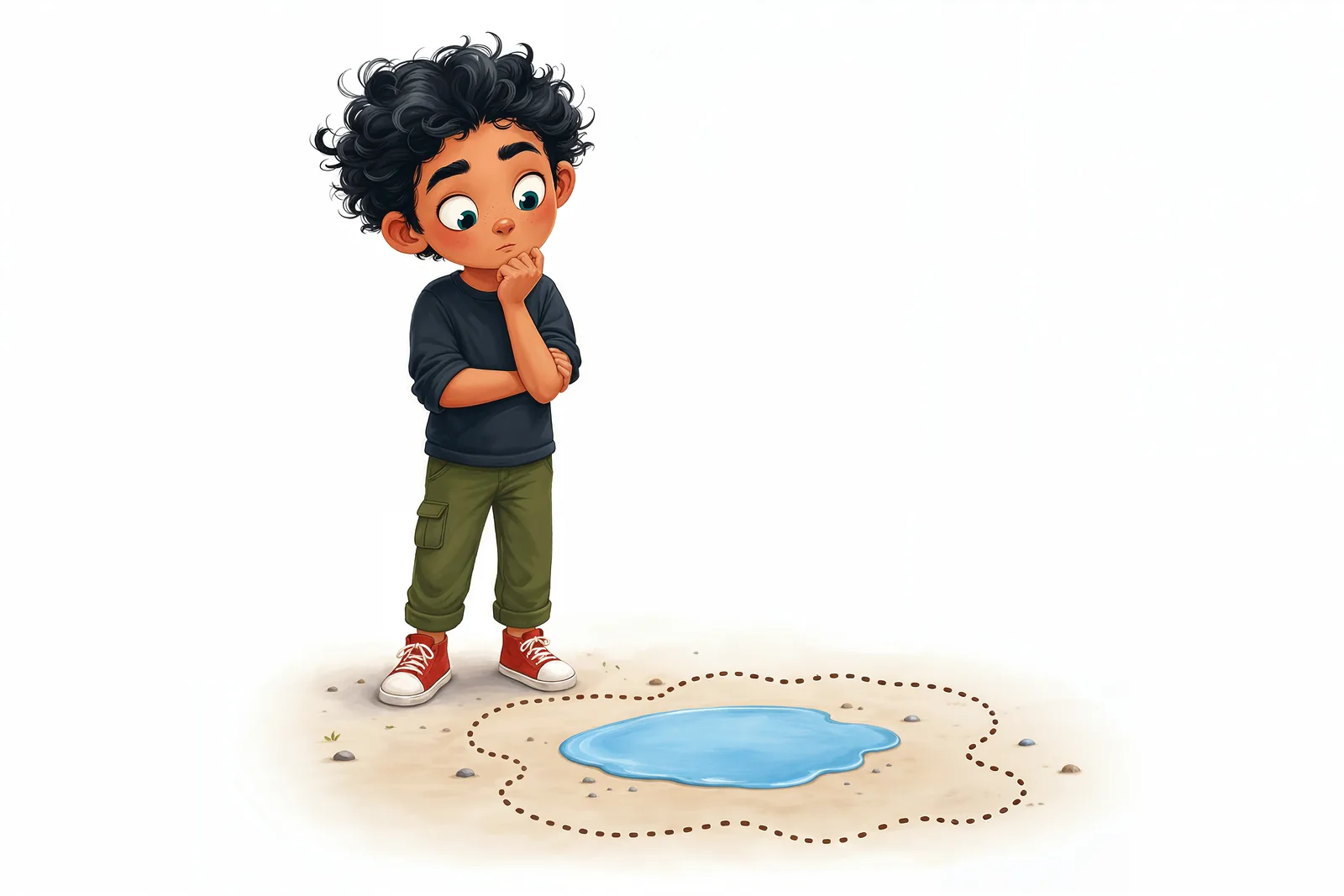
Where did the puddle go? Everyday questions spark investigation.
Wondering how rain and clouds work — thinking like a scientist.
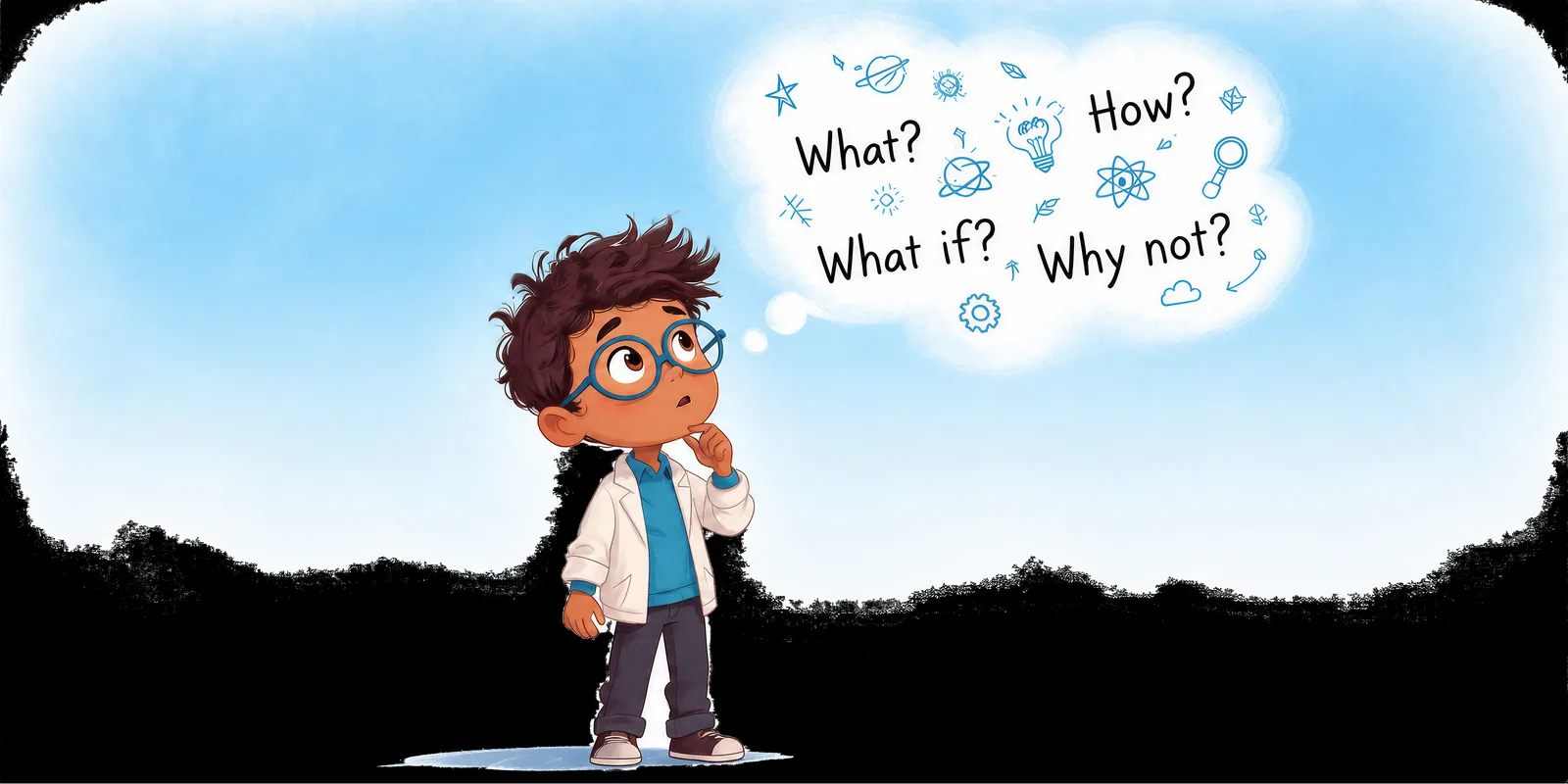
A young scientist bursting with questions — What? How? What if? Why not?
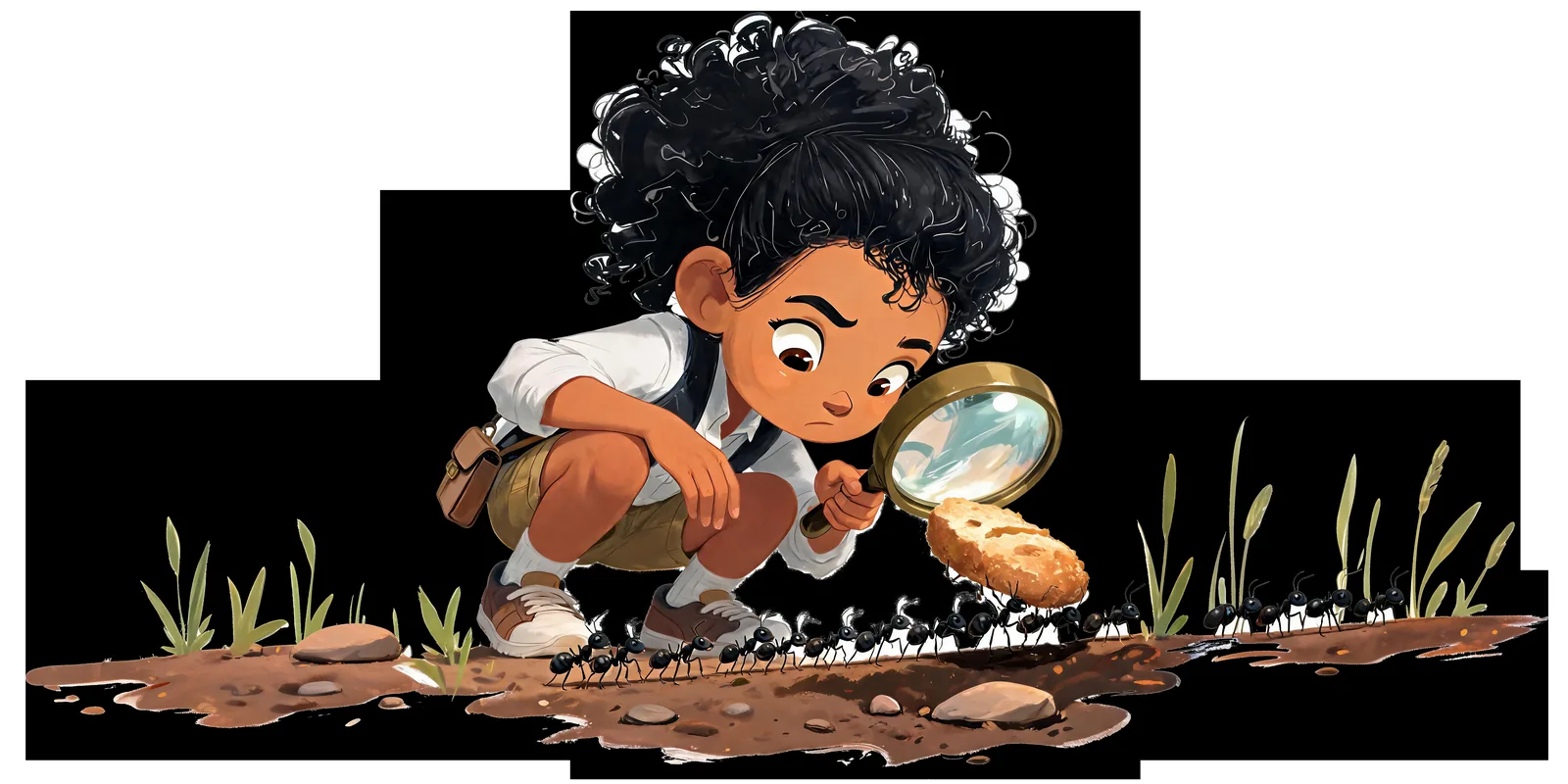
A close-up look through a magnifying glass — watching ants at work builds careful observation.
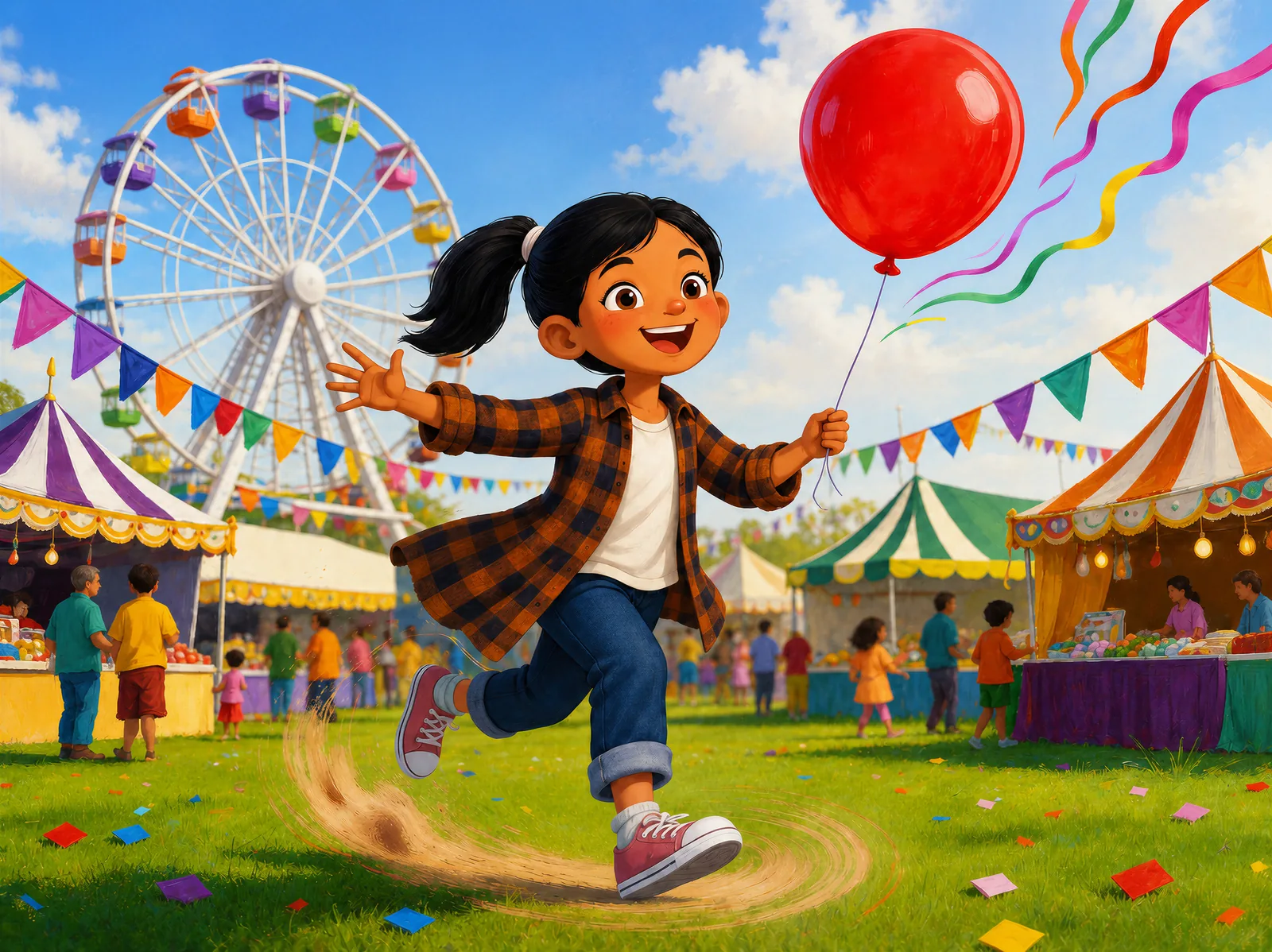
Racing through a fair with a balloon — the thrill of exploring and discovering the world.
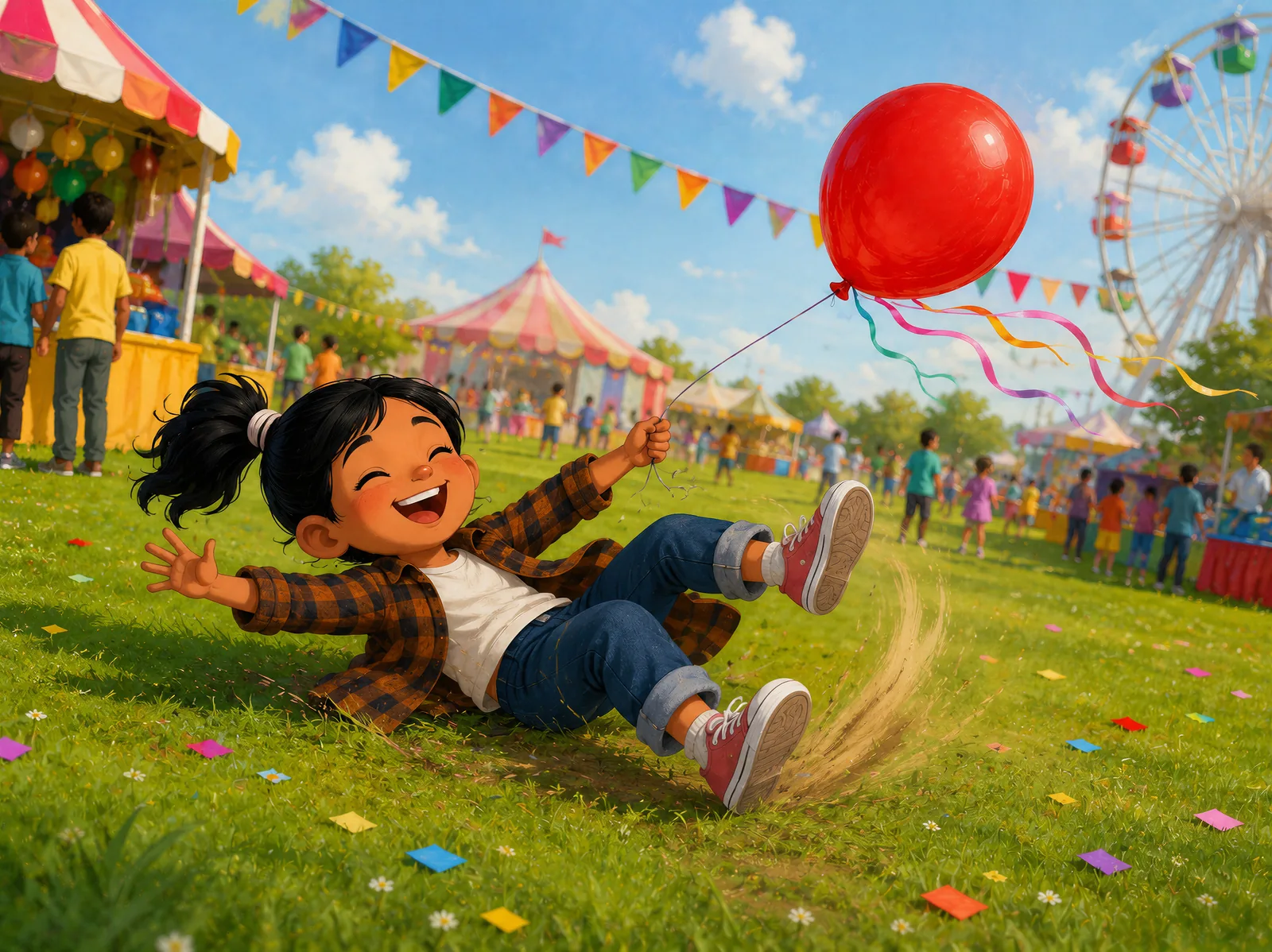
A joyful tumble on the grass — curiosity and wonder are where science begins.